Excerpt: Staying warm in brutal winter weather requires more than a thick jacket. This buyer‑friendly guide explains how modern parkas keep you protected during extreme cold, compares top models for 2026, and offers expert tips on choosing and layering your winter gear for maximum comfort.
As climate patterns shift and Arctic air incursions become more common across the United States, the need for a reliable, well‑insulated parka has never been greater. Whether you commute across Minneapolis in January, work outside in Fairbanks, or simply enjoy winter adventures in the Rockies, investing in the right parka can make the difference between cozy comfort and miserable cold. This comprehensive guide breaks down what makes a parka truly “extreme‑cold ready,” highlights the best options available in 2026, and explains how to layer beneath your coat for unmatched warmth.
Key Takeaways
- The best extreme‑cold parkas balance insulation, weather protection and usability. Look for high‑quality down or synthetic insulation, wind‑proof outer sells, thoughtfully placed pockets and a hood that seals out spindrift.
- Down remains the king of warmth‑to‑weight efficiency, but modern synthetics are close behind. Down offers unparalleled loft and compressibility, while synthetic insulation retains heat when wet and is more affordable. Some of the best parkas use a hybrid approach.
- Length, fit and adjustability matter. A longer hemline covers more of your body, while adjustable hoods, cuffs and waist drawcords prevent heat loss. Make sure there’s room to layer underneath without feeling constricted.
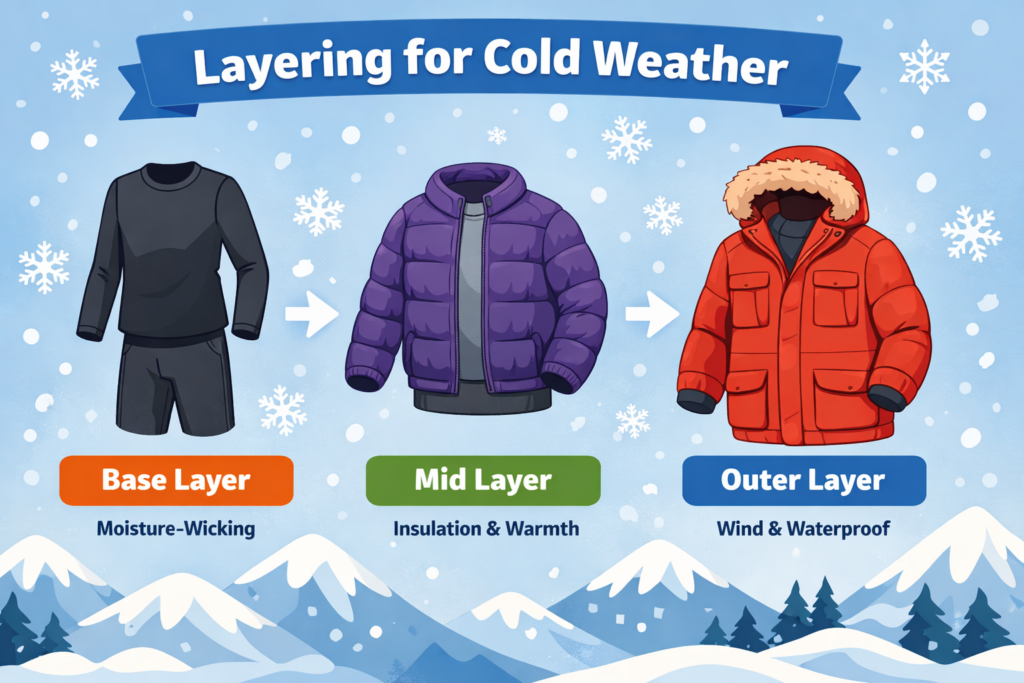
- Layering is as important as the coat itself. Outerwear experts recommend wearing a moisture‑wicking base layer, a warm insulating mid‑layer and a wind‑ and water‑resistant shell. Proper layering traps warm air and keeps you dry, which is critical to staying warm.
- Investing in quality pays dividends. Top parkas aren’t cheap, but their durability, weatherproofing and ethical sourcing make them a smart long‑term investment for anyone regularly exposed to frigid conditions.
Understanding Parkas and What Sets Them Apart
A parka is a long, insulated coat designed to protect the wearer from extreme cold and wind. Unlike shorter puffer jackets or ski shells, parkas typically extend to mid‑thigh or below and incorporate a hood—often with a fur or faux‑fur ruff—to shield the face from biting wind. Historically, the term comes from the Inuit word parqaaq and originally referred to caribou‑skin garments. Modern parkas use advanced materials like water‑resistant nylon, GORE‑TEX®, Pertex® or proprietary fabrics combined with down or synthetic insulation.
There’s a reason explorers in Antarctica and workers on Alaska’s North Slope wear parkas: the extended length prevents wind from creeping up from below, while a large hood and high collar seal in body heat. In urban settings, parkas offer the same benefits when winter storms bring sub‑zero temperatures to cities like Chicago, Boston or
Down vs. Synthetic: Choosing the Right Insulation
The core of any parka is its insulation. Two primary types dominate the market: natural down and synthetic fibers.
Down Insulation
Down comes from the soft plumage of geese or ducks. When lofted, down clusters trap warm air in thousands of tiny pockets, creating exceptional warmth‑to‑weight ratios. Many premium parkas advertise fill power, a measure of down’s loft; higher numbers (e.g., 700‑, 750‑ or 800‑fill power) indicate fluffier down that provides more insulation per ounce. High‑end options like the Arc’teryx Therme and Patagonia Frozen Range use 700–750‑fill‑power goose down to achieve serious warmth without excessive bulk.
Down’s advantages are clear: it is lightweight, highly compressible and offers unmatched warmth. The downside is that untreated down loses much of its insulating ability when wet. Many brands combat this with water‑resistant treatments (e.g., DownTek™ or hydrophobic down) and by pairing down with waterproof shells. Ethically sourced down, certified by the Responsible Down Standard (RDS), ensures the birds are treated humanely—most reputable brands now adhere to these standards.
Synthetic Insulation
Synthetic insulation—often made of polyester fibers—mimics the loft of down but maintains warmth when damp and dries quickly. Modern insulations like PrimaLoft®, Coreloft™ and Omni‑Heat™ Infinity have narrowed the performance gap between synthetic and down. Synthetic fibers are also less expensive and easier to care for.
Workers in wet environments or anyone concerned about moisture may prefer synthetic parkas. For example, the Carhartt Yukon Extremes series uses synthetic insulation to provide reliable warmth for construction workers and utility crews who encounter snow, sleet and freezing rain. The trade‑off is weight and packability; synthetic parkas tend to be heavier and less compressible than down options.
Hybrid Approaches
Some of the best parkas in 2026 combine both insulation types. Hybrid designs place down in the core areas (torso and hood) for maximum warmth and synthetic insulation in areas prone to moisture (cuffs, hem, shoulders) to prevent wetting out. The North Face’s popular McMurdo and Patagonia’s Jackson Glacier Parka are good examples of hybrid construction. Combining the strengths of both insulations delivers warmth, moisture resistance and durability.
Key Features to Consider When Buying a Parka
Finding the perfect parka means looking beyond insulation. Here are the critical details to evaluate:
Length and Coverage
Longer parkas that reach mid‑thigh or knee length provide better protection against wind and snow. Shorter jackets may be lighter and more athletic, but they leave your hips and thighs exposed to the cold. Consider your typical activities: city commuters often prefer knee‑length coats for maximum coverage, while backcountry travelers may choose hip‑length options for mobility.
Outer Shell and Weatherproofing
The shell fabric influences both durability and weather resistance. Rugged polyester or nylon shells with durable water repellent (DWR) coatings shed light precipitation, while two‑ or three‑layer waterproof membranes (like GORE‑TEX® or Patagonia’s H2No®) provide full protection against rain and wet snow. If you’ll be out in mixed conditions, choose a parka with sealed seams and a waterproof/breathable membrane.
Hood Design
A well‑designed hood is essential for extreme cold. Look for:
- Insulation and adjustability: A fully insulated hood keeps heat from escaping. Drawcords or velcro tabs allow you to cinch the hood around your face.
- Removable or fur ruff: A fur or faux‑fur ruff disrupts wind and keeps snow from blowing directly into your face. Some parkas let you remove the fur for washing.
- Large collar: A high collar protects your neck and can be zipped up even if you leave the hood down.
Pockets and Storage
Ample pocket space is more than a luxury—it’s a practical necessity. Hand‑warmer pockets lined with fleece keep your fingers toasty, chest pockets offer secure storage for phones or maps, and internal pockets store valuables. Check for glove‑friendly zipper pulls and storm flaps over zippers to prevent heat loss.
Adjustability and Fit
Adjustable cuffs, hem drawcords and waist cinches allow you to seal out drafts. When trying on a parka, wear your typical winter layers underneath and move your arms overhead; the coat should not ride up excessively. A slightly looser fit leaves room for layering but shouldn’t be so baggy that cold air can circulate.
Ethical and Environmental Considerations
Consumers are increasingly mindful of sustainability. Many parkas now use recycled fabrics, ethically sourced down or Bluesign®‑approved materials. Choosing such products supports responsible manufacturing and can reduce your environmental footprint.

- WATER RESISTANT, WIND RESISTANT, BREATHABLE Storm Blocker polyester insulation wrapped in a 100% polyester oxford shell make warm winter and rain coats for men who need long-term protection against the elements
- SIDE ENTRY HANDWARMER POCKETS with microfleece for added warmth
- ROOMY LOWER POCKETS with snap closure and inside cell phone pocket keeps your device close and protected from wind and rain. Also features sleeve pocket with snap-flap closure and vertical zip pocket
- ADJUSTABLE DRAWCORD with cord locks at waist and bottom and adjustable cuffs with snap tabs and hidden storm cuffs keep warmth in and the brisk wind out
- REMOVABLE HOOD easily zips on and off as needed to keep out wind, rain, and snow

- [Warmth]Mens winter coat is crafted from windproof and snow-resistant material, lined with plush fleece, adequately equipping you to withstand the cold winter.
- [Design]Mens winter coat boasts a detachable hood, a full-zip design, and concealed buttons, offering enhanced adaptability to various environments.
- [Windproof]Men's coat includes windproof ribbed cuffs, an adjustable hem, and a hood with a retractable drawstring to help you better withstand the cold wind.
- [Multi Pockets]Mens fleece winter jacket has 2 slanted pockets, 2 button pockets, 1 chest zipper pocket, and 1 inner pocket.
- [Occasion & Users]:This warm fleece - lined jacket, ideal for winter and autumn, suits outdoor enthusiasts (skiing, hiking, camping, etc.), workwear - loving folks into its rugged style, and anyone needing a hard - wearing, warm outer layer for cold - season activities.

- Stay warm & comfy - Be pleasantly cozy even in cold winter weather. The soft fleece lining, shaggy filling, and detachable hood provides excellent insulation while maintaining breathability.
- Keep the wind out - Face icy gusts in style. The dense cotton shell, ribbed standing collar, and elastic cuffs of this windproof jacket for men seal openings where cold wind and air can enter.
- Stylish & functional pockets - The 2 side pockets are large and deep can double as handwarmers, while the chest pocket and internal secure pocket provide secure storage for your valuables.
- Reliable outerwear - Choose winter clothes for men made from premium materials. The heavy-duty zippers work smoothly and the linings stand well against wear and tear even after years of use.
- Better & efficient heat retention - How long you stay comfy in the bitter cold is dictated by the reliability of your outerwear. Our casual parka is made of solid cotton that's made for daily wear.


- Windproof: Adjustable cuffs with hooks and loops; Internal drawcord hem, detachable and adjustable storm hood help to keep wind out
- Water Resistant: Professional water resistant jacket, keep your body always dry and comfortable, you won't worry about getting wet while skiing, snowboarding, hunting, hiking in inclement weather
- Fleece Lined: Windproof Warm Jacket Coat With Thermal Fleece Lining to Keep You Warm in Cold Weather
- Multi Pockets: 1 Zipper chest pocket, 2 huge zipper side pockets, 1 deep inner zipper pocket
- Great for: Outdoor sports, skiing, snowboarding, hiking, camping, climbing, trekking, fishing and travelling; Note: Standard US size

- Classic Hooded Style: The hood comes with a non-removable faux fur trim, perfect for colder winter days. The faux fur is soft, smooth, high-quality, and designed to resist shedding, providing excellent warmth and style. The big, deep hood with beautifully trim complements classic winter outfits. While the hood is detachable for versatility, the faux fur trim is securely attached and cannot be removed
- Size & Colors: Available in XS/S/M/L/XL/XXL/3XL and 9 colors. The winter jacket is thoughtfully designed to fit Americans, providing a flattering fit. Its length perfectly covers the waist, hips, and thighs, creating a tall and slim appearance. Notes: Please refer to the size details in the images and use similar clothing, Q&As, or buyer comments to ensure the best fit. The long, slim design of this thickened jacket enhances an elegant S-shaped silhouette, adding charm and sophistication
- Pockets & Cuffs: Features 3 pockets: two deep outer side pockets lined with a warm material to keep your hands cozy and one interior security pocket perfect for storing keys, phones, and other valuables. Elastic knit cuffs effectively block wind from entering the coat. The jacket is crafted with a new high-quality outer fabric that is windproof and water-repellent, providing insulation even when wet
- Suitable occasions: Complete cold weather protection, keep you warm from heavy rain to freezing snow, perfect outdoor coat for Working, Daily wear, Party, Hiking, Climbing, Traveling Snow Mountain, Camping, Hiking, Skiing or any. Suited for Teen, Girls, Junior & ladies. The women's cotton coat ideal for everyday wear in cold winter, show fashionable style even though in winter. Also a perfect GIFT to your family and friends in Thanksgiving, Christmas, New year and other important events
- Laundry Guide: The coat is machine washable. Wash separately in cold water on a gentle cycle using mild soap or detergent. Do not bleach. Tumble dry at low temperature and iron on low if needed. The hood should be removed and hand washed to prevent the faux fur trim from deforming. Dry clean is also an option

- Stand‑Collar Maxi‑Length Puffer Coat: High stand‑up collar protects your neck against cold wind, paired with an attached hood for extra overhead coverage on chilly days.
- Extra‑Long Full‑Coverage Silhouette: Floor‑grazing length extends far down your legs, delivering complete warmth for your lower body in cold weather.
- Side‑Vent Snap‑Button Hem Design: Snapped vents along the lower side hem boost mobility, letting you walk comfortably without feeling constricted.
- Convenient In‑Seam Hand Pockets: Built‑in side pockets offer a warm resting spot for hands and easy storage for tiny daily belongings.
- All‑Purpose Winter Outerwear: Simple solid‑colored long‑line design matches most outfits, ideal for commutes, daily errands and casual outdoor winter plans.

- [ROOMY 3D CUT FOR ALL BODY TYPES]:Ergonomic 3D tailoring creates a broad-shouldered, structured silhouette while allowing free movement for different body types. For a more fitted look, consider sizing down; for a relaxed fit or extra layers underneath, choose your regular size or one size up. Ideal for commuting, cycling, snow shoveling, coffee runs, or casual meetups.
- [WIND-RESISTANT & LEVEL 3-4 WATER]:REPELLENT SHELL – Wind-resistant outer shell with water-repellent fabric helps block cold drafts and repel light rain or snow. Water beads up and rolls off the surface, helping keep your upper body dry. Ideal for shoveling snow, snowmobiling, walking dogs, cycling, truck repairs, or daily winter commuting.
- [THICK THERMAL FILLING FOR LASTING WARMTH]:Thick thermal filling traps natural body heat to keep you warm and comfortable without batteries or wires. Ideal for outdoor work, winter camping, ice fishing, watching football games, or Christmas markets. Stay cozy during long hours outdoors without relying on bulky layers.
- [SBS ZIPPER & 3 FUNCTIONAL POCKETS]:Smooth-glide SBS zipper provides reliable everyday performance, while 3 functional pockets keep your phone, keys, gloves, or other essentials within easy reach. Designed for construction workers, delivery drivers, truckers, and outdoor enthusiasts who need convenient storage during daily work or winter activities.
- [FIXED ADJUSTABLE HOOD & VERSATILE WINTER STYLE]:Non-detachable hood with adjustable drawstrings helps block cold winds and snow. Available in Black, Navy, Coffee, Dark Grey, Army Green, and Light Grey. Perfect for office commutes, winter hikes, snowmobile trips, indoor parties, or casual gatherings. A practical winter gift for men of different ages and body types.

- Warm Plus Size Fit: Designed for women in 1X-5X, this down puffer coat combines thickened insulation with a fixed fleece lining for comfortable coverage in snow and cold weather.
- Detachable Hood and Faux Fur Trim: The hood and faux fur hood trim are removable for versatile styling, while the fleece lining stays securely fixed and is not detachable.
- Waterproof and Windproof Protection: The black outer shell helps block wet and windy winter weather, while the mid-length cut provides practical hip-covering warmth for daily outdoor wear.
- Secure Functional Storage: A full front zipper with snap storm flap helps close out cold air, and two side zip pockets keep hands and small essentials secure during winter activities.
- Distinctive Quilted Design: Diagonal chevron quilting across the front creates a flattering visual line, while horizontal back quilting gives this warm parka a clean, structured finish.
Top Parkas for Extreme Cold in 2026
The market is crowded with winter coats, but only a handful are designed to handle serious Arctic blasts. The table below compares some of the best parkas available in 2026. Prices are approximate and may vary by retailer.
| Parka (Brand/Model) | Insulation Type | Key Features | Approx. Price Range (USD) | Ideal For |
|---|---|---|---|---|
| Canada Goose Expedition Parka | 625‑fill white duck down | Rugged Arctic Tech® shell; down‑insulated hood with removable fur ruff; fleece‑lined hand‑warmer pockets; heavy‑duty two‑way zipper | $1,350–$1,550 | Expeditions, polar research, or residents of Alaska/Northern Canada |
| Arc’teryx Therme Parka | 750‑fill European goose down + Coreloft™ synthetic in moisture‑prone areas | 2‑layer GORE‑TEX® shell; adjustable insulated hood; sleek urban design; ethically sourced down | $700–$800 | City commuters who need serious warmth and waterproofing |
| Patagonia Frozen Range Parka | 700‑fill recycled down | H2No® Performance Standard waterproof/breathable membrane; two‑way zipper; insulated hood; Fair Trade Certified™ sewing | $699–$749 | Eco‑conscious buyers seeking sustainable yet extreme‑cold protection |
| The North Face McMurdo Parka IV | 550‑fill down + synthetic | Wind‑resistant, waterproof shell; removable faux‑fur ruff; large cargo pockets; two‑way zipper | $365–$425 | Versatile option for city and light expedition use |
| Carhartt Yukon Extremes Insulated Parka | Heavyweight synthetic insulation | 500‑denier Cordura® nylon shell with Rain Defender® water‑repellent finish; rib‑knit storm cuffs; quilted lining; reflective strips for visibility | $250–$300 | Outdoor workers needing durability and visibility in harsh conditions |
| Eddie Bauer Superior Down Parka | 650‑fill Responsible Down Standard down | StormRepel® DWR finish; removable faux‑fur hood; tall collar; fleece‑lined pockets | $200–$299 | Budget‑minded shoppers seeking reliable warmth for city winters |
| Triple F.A.T. Goose Titus Parka | 700‑fill power down | 3‑layer waterproof shell; down‑filled hood; YKK® zippers; hand‑warmer and cargo pockets | $650–$750 | Travelers and urban dwellers desiring premium warmth without a luxury price tag |
| Mountain Hardwear Glacier Guide Parka | 800‑fill goose down | Durable ripstop nylon shell; adjustable hood; dual hem drawcords; internal security pocket | $450–$550 | Backcountry guides, climbers and cold‑weather hikers |
Why These Parkas Stand Out
- Canada Goose Expedition Parka: A legend among extreme‑cold jackets, this parka is rated to withstand temperatures down to –40 °F. Its heavy‑duty shell and oversized hood make it a go‑to for scientists working at the South Pole.
- Arc’teryx Therme Parka: Blends technical performance with urban style. Its waterproof GORE‑TEX® shell keeps you dry in freezing rain, and the hybrid insulation ensures warmth even when moisture sneaks in.
- Patagonia Frozen Range Parka: Prioritizes sustainability without sacrificing performance. Recycled down and a Fair Trade Certified™ supply chain appeal to environmentally conscious buyers.
- The North Face McMurdo Parka IV: Offers excellent value. With a mix of down and synthetic insulation, it provides reliable warmth at a more accessible price, making it a perennial favorite.
- Carhartt Yukon Extremes: Designed for workers who spend long hours outdoors. Its durable shell resists abrasions, and reflective details boost safety during dark winter mornings.
- Eddie Bauer Superior Down Parka: A feature‑rich yet affordable option. It may not match the expedition‑grade warmth of Canada Goose, but it delivers plenty of insulation for most U.S. winters.
- Triple F.A.T. Goose Titus: Known for using premium down at competitive prices. The waterproof shell and generous hood make this parka a versatile choice for commuters.
- Mountain Hardwear Glacier Guide: Geared toward backcountry enthusiasts. The 800‑fill power down provides exceptional loft, while the simple design reduces weight and bulk for active pursuits.
How to Layer for Extreme Cold
Even the warmest parka can’t do its job if you dress improperly underneath. Occupational safety experts and outdoor educators emphasize layering as the most effective way to stay warm and dry. According to guidelines from the U.S. Occupational Safety and Health Administration, workers should “wear at least three layers of loose‑fitting clothing” to allow air to trap heat and to avoid restricting circulation. They suggest an inner layer of wool, silk or synthetic fabric to wick moisture, a middle layer of wool or synthetic fleece for insulation and an outer layer that blocks wind and precipitation. Tight clothing reduces blood circulation, while accessories like insulated gloves, hats and waterproof boots complete the system.
The University of Minnesota’s international student services echo this advice, noting that a base layer next to the skin should “wick sweat away from your body to keep your skin dry,” followed by a warm insulating layer of wool or fleece and a loose, wind‑ and water‑resistant outer layer. Their guide warns against cotton for base layers because it retains moisture and cools rapidly once wet. Staying dry is critical because perspiration in cold weather can chill you quickly.
Step‑by‑Step Layering Guide
- Base layer: Choose moisture‑wicking underwear (tops and bottoms) made from merino wool, polypropylene or high‑tech synthetics. These fabrics pull sweat away from your skin.
- Mid‑layer: Add insulation with a fleece jacket, wool sweater or lightweight down “puffy” jacket. This layer should provide warmth but remain breathable.
- Outer layer: Wear your parka as the final layer. Ensure it has a windproof and water‑resistant shell. Adjust hoods, cuffs and waist cinches to seal out drafts.
- Accessories: Don’t forget a warm hat or beanie, a neck gaiter or balaclava, insulated gloves or mittens, and waterproof boots with thick socks. Heat escapes quickly from extremities, so protecting your head, hands and feet is vital.
Proper layering allows you to adjust your outfit as conditions change. If you enter a heated space, remove the mid‑layer to prevent sweating; when heading back outside, add it again. Keeping dry from both external moisture and perspiration is the secret to lasting warmth
Additional Tips for Comfort in Extreme Cold
- Check the fit: A parka should accommodate your layering system without feeling restrictive. If it’s too tight, layers will compress and lose insulating ability.
- Mind the weight: Heavier parkas often provide more warmth but may restrict movement. Choose a balance appropriate for your activity level.
- Look for reputable warranties: Quality brands often offer lifetime warranties or repairs for damaged zippers, torn seams or compressed insulation.
- Store properly: At the end of winter, hang your parka in a cool, dry closet rather than compressing it in a stuff sack. Down insulation retains loft longer when stored uncompressed.
- Follow cleaning instructions: Most parkas require gentle washing with specific detergents and tumble drying on low heat with clean tennis balls to restore loft. Improper cleaning can damage insulation and coatings.
Frequently Asked Questions (FAQ)
How do I know if a parka is warm enough for my climate?
Look for temperature ratings—many manufacturers provide a comfort range based on standardized tests. Consider the average winter lows where you live; residents of northern states like Minnesota or Maine should choose parkas with lower temperature ratings than those living in milder climates like Oregon or Virginia.
Is down ethically sourced?
Reputable brands use Responsible Down Standard or Global Traceable Down Standard certifications. These ensure that the birds are not live‑plucked or force‑fed. Always check for certification tags when shopping for a down parka.
Can I wear a parka for active sports like skiing or snowboarding?
Parkas are typically heavier and longer than ski jackets and may restrict movement. For active winter sports, a shorter insulated or shell jacket paired with layering may be better. However, for low‑intensity activities such as ice fishing, winter camping or dog sledding, a parka is ideal.
Are longer parkas always warmer?
Length helps, but insulation quality, shell materials and construction matter more. A thigh‑length parka with high‑quality insulation often outperforms a knee‑length coat with poor fill. Choose the length that matches your activity level and personal style.
How many layers should I wear under a parka?
Most people are comfortable with two to three layers: a base layer, a mid‑layer and the parka itself. Extremely cold conditions may require an additional fleece vest or puffy jacket underneath, but avoid over‑stuffing your coat—compressed layers lose their effectiveness.
Conclusion
Braving extreme cold requires more than sheer grit—it demands the right equipment. Modern parkas combine advanced insulation, weatherproof fabrics and thoughtful designs to keep you warm in conditions that would otherwise be dangerous. By understanding the differences between down and synthetic insulation, evaluating key features like length, shell material and hood design, and following proven layering strategies, you can choose a parka that will serve you well through many winters.
The models highlighted in this guide represent the best parkas available in 2026 for a range of budgets and use cases, from expedition‑ready coats like the Canada Goose Expedition to affordable yet capable options such as the Eddie Bauer Superior Down Parka. Pair your chosen parka with proper layers, and you’ll be ready to face whatever winter throws your way.