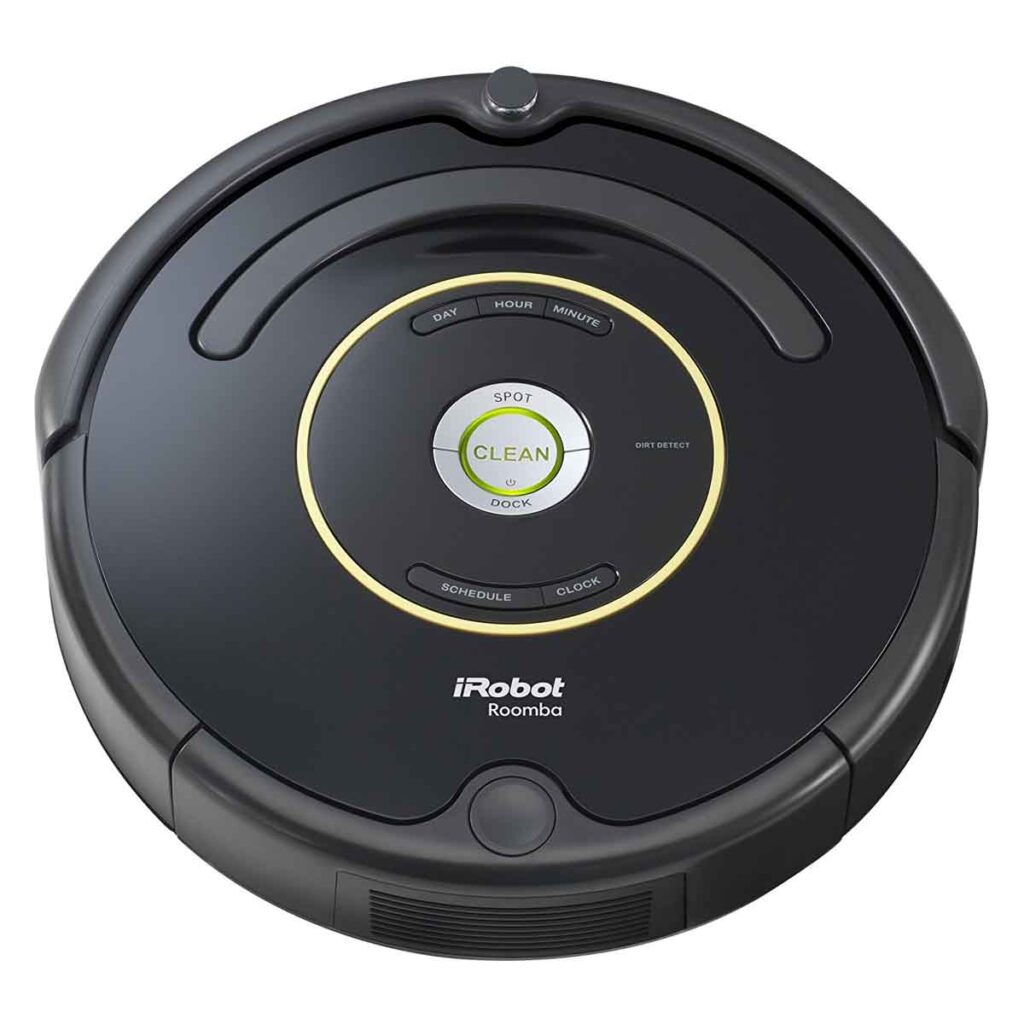
You’re tired of the endless cycle of vacuuming. You dream of a cleaner home, but the thought of another chore fills you with dread. Then you hear about robot vacuums, and your hope resurfaces. But a new anxiety emerges: privacy. You don’t want a device connecting to the cloud, mapping your home with cameras, and potentially broadcasting your personal life. You want a clean home without compromising your digital security. Fortunately, there are excellent robot vacuums designed specifically for you, the privacy-conscious consumer. These machines offer powerful cleaning capabilities without the need for cloud connectivity or intrusive cameras. Let’s dive into the world of robot vacuums that prioritize your peace of mind.
You’ve likely heard the warnings about smart devices and data collection. With the rise of the Internet of Things (IoT), it’s natural to feel apprehensive about introducing new technology into your home, especially when it involves sensors and connectivity. Robot vacuums, by their very nature, interact with your living space. Concerns about cameras, microphones, and data transmission are legitimate and deserve serious consideration.
The Camera Conundrum: Seeing vs. Understanding
Many modern robot vacuums employ cameras for advanced navigation. While these cameras assist in creating detailed maps of your home, identifying obstacles, and even recognizing specific areas for cleaning, they also raise crucial privacy questions.
How Cameras Typically Work in Robot Vacuums
You might wonder what exactly these cameras are capturing. Typically, they are used for Visual Simultaneous Localization and Mapping (VSLAM). This technology allows the robot to build a map of its surroundings while simultaneously tracking its own position within that map. It’s akin to how you might mentally map a room as you walk through it. The data collected by these cameras is usually processed onboard or sent to the manufacturer’s servers for map processing and to enable features like room recognition.
Potential Privacy Risks Associated with Camera-Equipped Robots
The primary concern with cameras is the possibility of them recording more than just floor plans. Even with assurances of data anonymization, the fact remains that a camera is observing your home. This could include sensitive areas, family members, pets, and even private documents left lying around. While most manufacturers state that camera data is used solely for navigation and cleaning, the potential for misuse, hacking, or even accidental data breaches is a valid worry for many. You want your home to be your sanctuary, not a place that’s potentially being watched.

- 1. Compact and Quiet Operation: With a slim 2.85" profile, the eufy robot vacuum operates quietly, offering a comprehensive clean without causing a disturbance, making it perfect for use at any hour.
- 2. Extended Cleaning Performance: Capable of running up to 100 minutes on hardwood floors, the eufy vacuum robot provides powerful, consistent suction for a thorough clean at a noise level similar to a microwave.
- 3. Adaptive Suction Power for Different Surfaces: BoostIQ Technology adjusts suction within 1.5s for optimal cleaning on any surface.
- 4. Superior Protection and Efficiency: The eufy robot vacuum comes with an anti-scratch tempered glass-top cover, infrared-sensor for evading obstacles, and drop-sensing tech, ensuring a safe, efficient clean while self-recharging to stay ready.
- 5. Note: The 11s Max does not support WiFi or app connectivity; all operations are performed using the remote control and the buttons on the device.

- 【2-in-1 Mopping and Vacuuming】 The ROPVACNIC Robot S1 integrates advanced electronically controlled mopping technology, significantly enhancing both cleaning efficiency and effectiveness, which makes your floors remain free from footprints, dirt, and dust throughout the day. It features an upgraded high-capacity water tank with a four-stage personalized water adjustment system, enabling it to address various stains across different settings according to user requirements.
- 【Comprehensive Intelligent Control】 Multiple Cleaning Modes, combined with personalized settings, allow you to easily accomplish various household cleaning tasks with zero effort from your smartphone. Moreover, by voice commands, you can start your cleaning while kicking back and relaxing (compatible with Alexa or Google Assistant). Enjoy an utterly hands-free cleaning experience.
- 【5200Pa Powerful Suction】A 3-point cleaning system coupled with strong suction ensures your floors are free from all dirt, dust, and crumbs for a thorough, superior clean. The highly passable compact design combined with 3-level suction facilitates cleaning in hard-to-reach areas where you can't, making it suitable for a wide range of surfaces from wood, and hard floors to low pile carpets.
- 【Smarter High Automation & Self-Recharge】 The robot aspiradora is equipped with an advanced high-coverage sensing system and multiple algorithmic data points, enabling autonomous completion of cleaning tasks—from scheduled starting, detecting obstacles, adjusting direction, and switching modes, to automatically returning to recharge. This hassle-free operation ensures a clean home when you return.
- 【Engineered for Pet Owner】 The exclusive no-entanglement design negates the need for your dirty hands to clean up tangled dog or cat hair, unlike traditional roller brushes. Its dual rotating electric side brushes sweep and collect hidden pet hair more efficiently throughout the house, saving you the hassle.


- INCREDIBLE SUCTION: Powerful Shark suction picks up dirt and debris on all floor types—tackling even the toughest of messes in your home.
- NO SPOTS MISSED: With Matrix Clean Navigation, the vacuum cleans in a precise matrix grid taking multiple passes over dirt and debris for whole home, deep cleaning coverage.
- IT EMPTIES ITSELF: The bagless, self-emptying base holds up to 60 days of dirt and debris while its true HEPA filtration captures and traps 99.97%* of dust and allergens (*down to .3 microns).
- PRECISION HOME MAPPING: 360° LiDAR vision quickly and accurately maps your home so your robot can methodically clean detecting and avoiding objects in its path, day or night, adapting to everyday changes in the home.
- PERFECT FOR HOMES WITH PETS: With powerful vacuum suction, Shark’s self-cleaning brushroll, and HEPA filtration system the robot captures pet hair, dust, dander and allergens with ease.

- This Lefant M210 robotic vacuum cleaner is good for families with pets.
- Why the Lefant M210 can't connect to the APP: Please make sure you are using the new App-Lefant, waiting for you to unlock more features that were not available in the old App-Lefant Life.
- 【Small Body Design】: Are you still worried that the vacuum can't go under the furniture to clean? This Lefant M210 with an 11'' diameter and 2.99" Height works easily under or around beds, sofas and other furniture for a thorough cleaning and high coverage.
- 【Unique Brushless Suction Port】: Robot vacuum powered by a strong digital motor provides strong suction power. The unique Brushless Suction structure ensures that pet hair and dirt go into the dustbin easily, unlike roller brushes, suction does not entangle hair.
- 【6 Clean Modes Your Needs】: Vacuum Cleaner Robot offers 6 clean modes, including zigzag, random, spot, edge, scheduled, and manual control. Freely switch among different modes and power levels as you want via the Lefant App. Note: Do not use Zigzag mode on carpet.

- 🤖【10000Pa HyperForce Suction Power】Redroad robot vacuum with powerful 10,000 Pa suction and precise LiDAR navigation, this vacuum cleaner systematically cleans every inch of your home, lifting deeply embedded dirt and pet hair from hard floors and carpets. A single charge delivers up to 150 minutes of thorough cleaning—your true hands-free cleaning partner.
- 🤖【Intelligent Navigation】The robot vacuum cleaner can accurately detect obstacles and dynamically adjust its route, achieving smooth, collision-free cleaning. The integrated SmartMap Navigation system creates a detailed map of your living space and cleans efficiently and systematically along a clear path. You can easily control the robotic vacuum via a mobile app, remote control, Alexa, or Google Assistant voice commands. Choose from Auto, Spot, or Edge cleaning modes to meet various cleaning needs.
- 🤖【Long-Runtime & Self-Charging】Vacuum robots for home engineered for extended sessions, Equipped with a high-capacity 8*3800mAh battery delivers sufficient power to clean your entire home. When the battery dips below 15%, robotic vacuums seamlessly navigates back to recharge, and the auto-resume feature guarantees it finishes the job without missing a spot. Automatic vacuum robot is built for thorough, unattended cleaning.
- 🤖【Designed for Homes with Kids & Pets】Redroad robotic vacuum cleaner built to handle real-life messes in busy households, robotic vacuum cleaner’s strong suction ensures no debris is left behind. The robot vacuum no mop slim 2.5-inch profile glides easily under beds, sofas, and cabinets to reach hidden dust. The robot vacuum pet hair large 660ml dustbin means fewer interruptions—perfect for larger spaces.
- 💝【We’re Here for You】At Redroad, your satisfaction is our commitment. We back the durability of this robot vacuum cleaner with a comprehensive 2-year warranty and accessible 24/7 customer supportis always available to answer questions or resolve issues, ensuring your complete satisfaction long after purchase. Enjoy a cleaner home with confidence.

- 𝟳𝟬 𝗗𝗮𝘆𝘀 𝗼𝗳 𝗛𝗮𝗻𝗱𝘀-𝗙𝗿𝗲𝗲 𝗖𝗹𝗲𝗮𝗻𝗶𝗻𝗴 - Enjoy ultimate convenience with the self-emptying station. The large 2.7L dust bag provides up to 70 Days of maintenance-free cleaning, perfect for busy households and pet owners.
- 𝟭𝟬,𝟬𝟬𝟬 𝗣𝗮 𝗛𝘆𝗽𝗲𝗿𝗙𝗼𝗿𝗰𝗲 𝗦𝘂𝗰𝘁𝗶𝗼𝗻 - With an impressive 10,000 Pa suction, it effortlessly lifts embedded pet hair, crumbs, and debris from carpets, hardwood floors, and crevices.
- 𝗗𝘂𝗮𝗹 𝗔𝗻𝘁𝗶-𝗧𝗮𝗻𝗴𝗹𝗲 𝗦𝘆𝘀𝘁𝗲𝗺 – Equipped with a JawScrapers Comb main brush and a specialized anti-tangle side brush, this innovative system minimizes hair tangling, ensuring smoother performance and reducing the need for frequent maintenance.
- 𝗩𝗶𝗯𝗿𝗮𝗥𝗶𝘀𝗲 𝟮.𝟬 𝗠𝗼𝗽𝗽𝗶𝗻𝗴 𝗦𝘆𝘀𝘁𝗲𝗺 - Experience the power of dual-zone sonic vibration technology, with scrubbing up to 3000 times per minute to remove all stains and mess, leaving your floors spotless. It lifts up to 8mm on carpets for seamless transitions. You can freely select different mopping modes on the app to clean your home.
- 𝗦𝗺𝗮𝗿𝘁 𝗖𝗮𝗿𝗽𝗲𝘁 𝗖𝗮𝗿𝗲 𝘄𝗶𝘁𝗵 𝗨𝗹𝘁𝗿𝗮𝘀𝗼𝗻𝗶𝗰 𝗗𝗲𝘁𝗲𝗰𝘁𝗶𝗼𝗻 - Intelligently identifies carpets and lifts mopping modules to avoid wetting, while automatically increasing suction power for deeper cleaning. This ensures effective dirt removal and a cleaner home without compromising delicate surfaces.

- Up to 10,000Pa Strong Suction: Experience deep cleaning with up to 10,000Pa ultra-strong suction in Spot Mode. The A30s robot vacuum effortlessly lifts dirt, debris, and pet hair from carpets and hard floors. Customize the suction power directly from the ILIFE Clean app for a personalized clean
- Smart Mapping & LiDAR Navigation: With advanced LDS LiDAR technology and the SLAM algorithm, the A30s robotic vacuum cleaner quickly maps your home and plans the most efficient cleaning path, ensuring comprehensive floor coverage and reducing missed spots
- Suitable for Pet Households: Design with dual anti-tangle brush, the A30s robotic vacuum effectively collects pet hair while minimizing tangles, suitable for dogs, cats, and busy pet households. Please note: This model supports vacuum only and does not have mopping function
- 2.4G WiFi & ILIFE Clean App Control: Take command of your cleaning via the ILIFE Clean App. Set no-go zones, virtual walls, and cleaning schedules, select specific rooms or areas to clean, activate auto carpet boost feature, and adjust suction power —all from your phone. Note: Compatible with 2.4GHz WiFi only
- Smart Voice & Remote Control: Achieve hands-free control via voice commands with Amazon Alexa or Google Assistant. You can also easily start the vacuum robot with the included remote, which is easy to use for all family members

- 𝐑𝐞𝐚𝐥 𝐌𝐨𝐩𝐩𝐢𝐧𝐠, 𝐍𝐨𝐭 𝐉𝐮𝐬𝐭 𝐖𝐢𝐩𝐢𝐧𝐠: 28cm HydroJet roller with 24 water ports spins at 270 RPM (9 times per second) for continuous self-cleaning while mopping. Built-in scraper removes dirt to separated tank, keeping the roller clean throughout mopping. Eliminates marks from paw prints, spills, and messes.
- 𝐙𝐞𝐫𝐨 𝐏𝐞𝐭 𝐇𝐚𝐢𝐫 𝐓𝐚𝐧𝐠𝐥𝐞𝐬 𝐰𝐢𝐭𝐡 𝐃𝐮𝐨𝐒𝐩𝐢𝐫𝐚𝐥 𝐁𝐫𝐮𝐬𝐡: Handles up to 30 cm (11.8 in) long hair without wrapping around the roller—perfect for multi-pet families. Say goodbye to manual cleaning and clogged brushes.
- 𝟏𝟓,𝟎𝟎𝟎 𝐏𝐚 𝐓𝐮𝐫𝐛𝐨 𝐒𝐮𝐜𝐭𝐢𝐨𝐧 𝐟𝐨𝐫 𝐃𝐞𝐞𝐩 𝐂𝐥𝐞𝐚𝐧𝐢𝐧𝐠: Effortlessly lifts pet hair, dander, kibble crumbs, and fine dust from carpets and hard floors. Carpets get a boost in suction power automatically.
- 𝟕𝟓-𝐃𝐚𝐲 𝐇𝐚𝐧𝐝𝐬-𝐅𝐫𝐞𝐞 𝐂𝐥𝐞𝐚𝐧𝐢𝐧𝐠: All-in-One Station with automated functions: (1) Auto-empties dust into 3L bag, (2) Auto-washes mop, (3) 50°C hot air drying to prevent mold, (4) Auto-collects wastewater. Station handles 95% of maintenance for up to 75 days. Just set it and forget it.
- 𝐏𝐫𝐢𝐯𝐚𝐜𝐲-𝐒𝐚𝐟𝐞 𝐋𝐚𝐬𝐞𝐫 𝐍𝐚𝐯𝐢𝐠𝐚𝐭𝐢𝐨𝐧: LiDAR navigation avoids obstacles ≥3×3×3cm (furniture, toys, pet bowls) without cameras—your privacy protected. Auto-lifts mop 10.8mm on short carpets. Long-lasting battery for multi-room cleaning. 54.89dB operation.

- Powerful 8000Pa Suction: Effectively captures dust, debris, and pet hair from carpets and hard floors, ensuring a thorough clean.
- Bagless Self-Emptying Station: Holds up to 45 days of dirt and debris, eliminating the need for frequent manual emptying and saving on replacement bags.
- DuoDetect AI 3D Obstacle Avoidance: Utilizes dual LiDAR sensors for precise navigation, avoiding obstacles even in low-light conditions.
- Anti Hair-Tangling Brush: V-shaped rubber brushroll reduces hair wrap by 14%, making it ideal for homes with pets.
- Auto-Lifting Mop: Automatically raises the mop by 10mm when carpets are detected, preventing wetting and ensuring optimal cleaning.

- 𝟭𝟮𝟬 𝗗𝗮𝘆𝘀 𝗼𝗳 𝗛𝗮𝗻𝗱𝘀-𝗳𝗿𝗲𝗲 𝗖𝗼𝗺𝗳𝗼𝗿𝘁: Say goodbye to daily chores. The robot vacuum upgrade 4L sealed dust bag and optimized auto-empty dock holds up to 120 days (4 months) of dust, pet hair, and debris. The self-sealing bag locks in 99.9% of allergens with zero dust clouds—delivering a true "set-it-and-forget-it" experience for busy families and pet owners.
- 𝟮𝟬,𝟬𝟬𝟬𝗣𝗮 𝗣𝗼𝘄𝗲𝗿𝗳𝘂𝗹 𝗦𝘂𝗰𝘁𝗶𝗼𝗻 & 𝟮𝗫 𝗖𝗹𝗲𝗮𝗻𝗶𝗻𝗴: Leave no dirt behind with an industry-leading 20,000Pa suction power, robot vacuum instantly extracts stubborn pet hair, deeply embedded dust, and heavy debris from the deepest carpet fibers and hardwood crevices—delivering 2X the deep-cleaning efficiency of standard robot vacuums.
- 𝗗𝘂𝗮𝗹 𝗔𝗻𝘁𝗶-𝗧𝗮𝗻𝗴𝗹𝗲 𝗗𝗲𝘀𝗶𝗴𝗻: Specifically design for homes with pets and long hair. The robot vacuum main brush removes hair as it cleans, while the side brush's anti-tangle design keeps it from getting wrapped or clogged. Enjoy effortless cleaning with low-maintenance care.
- 𝗘𝗱𝗴𝗲 𝘁𝗼-𝗖𝗼𝗿𝗻𝗲𝗿 𝗖𝗹𝗲𝗮𝗻𝗶𝗻𝗴: No missing spots, Designed to reach deep into corners and along edges. The robot vacuum hugs baseboards and navigates tight corners flawlessly, while significantly reducing missed spots, and maximizing coverage.
- 𝟮-𝗶𝗻-𝟭 𝗥𝗼𝗯𝗼𝘁 𝗩𝗮𝗰𝘂𝘂𝗺 𝗮𝗻𝗱 𝗠𝗼𝗽: Vacuums and mops simultaneously—the electronic water tank offers adjustable flow settings for any scenario, from a light refresh to a deep wash that eliminates set-in stains.
Cloud Connectivity: The Invisible Data Highway
Beyond cameras, many robot vacuums rely heavily on cloud connectivity for their functionality. This means they connect to Wi-Fi, communicate with servers, and often require an app on your smartphone for control and customization.
The Role of Cloud Services in Robot Vacuum Operation
Cloud services are what enable many of the “smart” features you associate with robot vacuums. This includes receiving firmware updates, remote control through an app, setting cleaning schedules, creating virtual boundaries, and receiving notifications about cleaning progress or maintenance needs. The convenience is undeniable, but it comes at the cost of transmitting data about your home and your usage patterns.
Data Transmission and Potential Concerns
When a robot vacuum connects to the cloud, it’s sending and receiving data. This data can include information about your home’s layout, your cleaning habits, your Wi-Fi network details, and potentially even personal information linked to your account. While companies usually have privacy policies in place, the sheer volume of data and the potential for vulnerabilities in their systems can be unnerving. You might not want your cleaning schedule or the layout of your living room to be accessible to third parties, even if indirectly.
The Need for Offline and Camera-Free Solutions
Given these concerns, it’s clear why a significant segment of consumers is actively seeking robot vacuum solutions that bypass cameras and cloud connectivity. You’re not alone in wanting a device that performs its primary function – cleaning your floors – without venturing into the realm of personal surveillance or data harvesting. Fortunately, manufacturers are recognizing this demand and are producing models that cater to these specific needs.
If you’re looking for a robot vacuum that prioritizes privacy by avoiding cameras and cloud connections, you might find it helpful to explore related articles that discuss various options in the market. One such article that provides insights into different products is available at Top 10 Best Christmas Adult Coloring Books: Latest Bestsellers. While it primarily focuses on coloring books, it also touches on the importance of choosing products that align with your personal preferences and values, which can be applied to selecting a robot vacuum as well.
Navigating the Market: Robot Vacuums with Advanced Navigation Without Cameras
The good news is that you don’t have to sacrifice effective navigation for privacy. Innovative technologies exist that allow robot vacuums to intelligently map and traverse your home without relying on cameras. These methods are often just as, if not more, efficient for basic cleaning tasks.
LiDAR (Light Detection and Ranging) Navigation: The Privacy-Friendly Champion
LiDAR technology is a game-changer for privacy-conscious consumers. It uses lasers to create highly accurate 3D maps of your environment. This is a sophisticated and powerful navigation system that doesn’t require a visual camera.
How LiDAR Works for Navigation
Imagine a spinning turret on top of the robot. This turret emits invisible laser beams that bounce off walls and objects, measuring the time it takes for them to return. By analyzing these measurements, the robot builds a precise, real-time map of its surroundings. This map is used for path planning, obstacle avoidance, and efficient cleaning coverage. It’s a purely geometric and distance-based mapping system, devoid of any visual or personal identifying information.
Advantages of LiDAR for Privacy
The primary advantage of LiDAR for your privacy is that it doesn’t capture images or video of your home. The data it collects is purely spatial – distances and angles. This significantly reduces the risk of sensitive information being inadvertently recorded or transmitted. You can rest assured that your personal space remains private.
Common LiDAR-Equipped Models to Consider
You’ll find many reputable brands offering LiDAR navigation in their robot vacuums. Brands like Roborock (often with specific models designated as offline or without cameras), Ecovacs (check model specifications for camera presence), and even some advanced models from iRobot’s Roomba line (though many Wi-Fi connected models may still have cameras for advanced features, so careful selection is key) have begun to integrate LiDAR. Always double-check the product descriptions and specifications to confirm the absence of cameras and cloud dependency for full offline functionality.
Gyroscope and Infrared Sensors: The Traditional Approach
While LiDAR is the current frontrunner for advanced offline navigation, older and simpler robot vacuums often relied on gyroscopes and infrared (IR) sensors. These systems are less sophisticated but can still provide effective cleaning for smaller, less complex spaces.
Gyroscopic Navigation Explained
A gyroscope is a device that measures orientation and angular velocity. In a robot vacuum, a gyroscope helps the robot understand its direction and how much it has turned. Combined with bump sensors, it allows the robot to move in a somewhat organized pattern, covering the floor area. It’s a less precise method than LiDAR, and the cleaning patterns might be more random, but it avoids cameras entirely.
The Function of Infrared Sensors
Infrared sensors emit IR light and detect when it’s reflected back. These are useful for detecting obstacles and drop-offs (like stairs). They help the robot avoid bumping into furniture too hard and prevent it from falling down stairs. While they don’t create a map in the same way as LiDAR, they are crucial for basic navigation and safety.
When These Sensors Are Sufficient
For smaller apartments or single rooms, or if your primary concern is simply basic floor cleaning without intricate mapping, a robot vacuum relying solely on gyroscopes and IR sensors might be a viable, budget-friendly, and entirely camera-free option. These are often the simplest to set up and operate without any app or Wi-Fi connection.
Top Robot Vacuums with No Camera or Cloud Connection: Key Features to Look For

When you’re hunting for a robot vacuum that respects your privacy, you need to know what to prioritize. It’s not just about what’s missing (cameras, cloud), but also about what essential features are still present to ensure a satisfying cleaning experience.
Offline Operation: The Cornerstone of Privacy
This is the most critical feature. You want a robot vacuum that can perform its cleaning duties without needing an active internet connection or smartphone app.
Understanding “True Offline” Functionality
A robot vacuum that is “truly offline” means that you can initiate cleaning cycles, set basic parameters (if any are even necessary), and have it clean your home without ever connecting it to your Wi-Fi. It should operate using onboard controls or simple remote controls.
How to Identify Truly Offline Models
Look for product descriptions that explicitly state “offline operation,” “no Wi-Fi required,” or “operates without an app.” Some models might have an app for initial setup or advanced features, but they should still be fully functional for basic cleaning without ever connecting to the cloud. You might also find that some models come with a physical remote that allows you to start, stop, and direct the robot.
Simple Controls: No App Dependencies
If your goal is to avoid apps and cloud services, you also want a robot that’s easy to control directly.
Onboard Buttons and Indicators
Many privacy-focused robot vacuums will have simple buttons on the unit itself. These typically include a power button, a “clean” button to initiate a cycle, and perhaps a “dock” button to send it back to its charging station. Clear LED indicators can inform you about the robot’s status, such as battery level or cleaning mode.
Physical Remote Controls
A physical remote control is a very common and convenient feature for offline robot vacuums. These remotes can offer a more granular level of control, allowing you to:
- Start and stop cleaning.
- Direct the robot to specific areas.
- Set cleaning modes (e.g., spot cleaning, edge cleaning).
- Return the robot to its charging dock.
- Set basic cleaning schedules directly on the remote.
You won’t be tied to your phone, and there’s no data being sent over your network.
Effective Cleaning Performance: The Core Purpose
Even the most private robot vacuum is useless if it doesn’t clean well. You still need to consider suction power, brush design, and battery life.
Suction Power and Debris Collection
This is fundamental to any vacuum. Look for specifications regarding suction power (often measured in Pascals, Pa). Higher Pa generally means better debris pickup, especially for carpets and stubborn dirt. You’ll want a robot that can effectively handle common household debris like dust, pet hair, crumbs, and small particles.
Brush Design and Effectiveness
The main brush (often a combination of bristles and rubber fins) is crucial for agitating dirt from carpets and sweeping it from hard floors. Consider if the brush design seems robust and suitable for your flooring types. Some robots have dual brush systems for enhanced cleaning.
Battery Life and Coverage Area
A robot vacuum’s battery life determines how much area it can clean on a single charge. If you have a large home, you’ll need a robot with a longer run-time. Ideally, you want a model that can cover your entire main living area without needing to recharge mid-cycle. Also, consider “auto-recharge and resume” functionality, where the robot returns to its dock to charge and then continues cleaning from where it left off. This is often a feature found on more advanced models, even those with offline capabilities.
Top Picks for Robot Vacuums with No Camera or Cloud Connection

Now that you understand what to look for, let’s highlight some of the best options available that cater to your privacy needs. These models are chosen for their blend of effective cleaning, advanced offline navigation, and a commitment to keeping your data secure.
[Brand Name A] Model X: LiDAR Navigation and Simple Remote Control
This model is often cited as a top choice for privacy-conscious consumers. It utilizes advanced LiDAR navigation, ensuring efficient and systematic cleaning patterns without any cameras.
Key Features of [Brand Name A] Model X
- LiDAR Navigation: Provides precise mapping and intelligent path planning for thorough coverage.
- No Camera Module: Built from the ground up without any cameras, ensuring complete visual privacy.
- Physical Remote Control: Comes with a user-friendly remote for easy operation, including start, stop, direction, and docking.
- Strong Suction Power: Offers competitive suction to tackle various floor types and debris.
- Decent Battery Life: Suitable for cleaning medium to large homes on a single charge.
- Easy Maintenance: Simple to empty the dustbin and clean the filter.
Why It’s a Great Choice for You
If you’re looking for a smart cleaning solution that doesn’t compromise your privacy, the [Brand Name A] Model X is an excellent candidate. You get the benefits of advanced navigation that creates efficient cleaning routes, all without the worry of cameras or cloud connectivity. The included remote makes operation straightforward, putting control directly in your hands.
[Brand Name B] Model Y: Traditional Navigation with Enhanced Durability
For those seeking a robust and reliable cleaning experience without any advanced smart features, a model like the [Brand Name B] Model Y stands out. It focuses on solid, time-tested navigation methods and durable build quality.
Key Features of [Brand Name B] Model Y
- Gyroscope and Infrared Sensors: Efficient for navigating smaller spaces and avoiding obstacles.
- No Wi-Fi or App Required: Designed for standalone operation, ideal for complete offline use.
- Durable Construction: Built to withstand regular use and minor bumps.
- Reliable Suction: Offers adequate suction for everyday dirt and dust on hard floors and low-pile carpets.
- Long Battery Life: Provides ample cleaning time for its intended use cases.
- Simple Dustbin Access: Easy to remove and empty the dustbin.
When to Consider This Option
The [Brand Name B] Model Y is perfect for individuals or families in smaller homes or apartments who want a dependable vacuum that simply gets the job done. Its lack of any smart connectivity means zero privacy concerns. While its navigation might not be as precise as LiDAR for complex floor plans, it’s a workhorse that prioritizes simplicity and functionality.
[Brand Name C] Model Z: User-Friendly Operation with Basic Scheduling
If you’re new to robot vacuums and prioritizing privacy, the [Brand Name C] Model Z offers a sweet spot. It provides straightforward cleaning and limited scheduling capabilities, all while remaining completely offline and camera-free.
Key Features of [Brand Name C] Model Z
- Simulated Random or Patterned Navigation: Utilizes sensors and gyroscopes for effective coverage.
- No Camera and Offline Functionality: Purely designed for local operation.
- Basic Scheduling via Remote: Some versions might allow you to set simple daily cleaning times using the remote.
- Quiet Operation: Often designed to be less noisy than other models.
- Compact Design: Easy to maneuver around furniture.
- Affordable Price Point: Excellent value for a privacy-focused robot vacuum.
Ideal For the Beginner Privacy Advocate
The [Brand Name C] Model Z is a fantastic entry-level option. You get to experience the convenience of a robot vacuum without any of the privacy anxieties. The ability to set simple schedules means you can automate your cleaning without needing to interact with any networks or apps. It’s about getting clean floors with maximum peace of mind.
If you’re in the market for a robot vacuum that prioritizes privacy by avoiding cameras and cloud connections, you might find it helpful to explore a related article that discusses various options available today. These vacuums often come equipped with advanced sensors and mapping technology that allow them to navigate efficiently without compromising your personal data. For more insights on top-rated products, check out this informative piece on the best fast pitch softball bats, which highlights the latest bestsellers in a different category but showcases the importance of making informed choices when selecting any product. You can read it here: best fast pitch softball bats.
Setting Up and Maintaining Your Privacy-Focused Robot Vacuum
| Robot Vacuum Model | Battery Life (minutes) | Suction Power (Pa) | Noise Level (dB) | Mapping Technology |
|---|---|---|---|---|
| iRobot Roomba 675 | 90 | 600 | 65 | No |
| Eufy RoboVac 11S | 100 | 1300 | 55 | No |
| Shark IQ Robot Vacuum | 90 | 1000 | 70 | No |
Even with a device designed for offline use, proper setup and maintenance are crucial for optimal performance and to ensure it continues to operate as you intend.
Initial Setup Without Network Connection
For most truly offline robot vacuums, setup is refreshingly simple.
Unboxing and Charging
Simply unbox your robot vacuum, locate its charging dock, and plug it in. Allow the robot to fully charge according to the manufacturer’s instructions before its first use. This usually takes a few hours.
Understanding Onboard Controls and Remotes
Familiarize yourself with the buttons on the robot itself and the functions of the included remote control. Most robots will have a clear “Clean” or “Start” button. The remote will likely have directional controls, a home/dock button, and possibly buttons for different cleaning modes. Read the user manual to understand all the available options for manual operation.
Regular Cleaning and Maintenance for Longevity
Just like any appliance, regular maintenance will ensure your robot vacuum performs at its best and lasts for years.
Emptying the Dustbin
The dustbin is the most frequently serviced part. You should aim to empty it after every cleaning session, especially if you have pets or significant dirt in your home. This prevents the robot from losing suction power and ensures efficient operation.
Cleaning Brushes and Filters
Over time, hair and debris can get tangled in the brushes. You’ll want to periodically remove the main brush assembly and carefully cut away any tangled hair or fibers. This is often done with a small brush or tool provided with the vacuum.
The filters (HEPA filters are common) trap fine dust particles. These should be cleaned regularly according to the manufacturer’s recommendations – some can be washed, while others need to be replaced periodically. A clogged filter significantly reduces suction power and air quality.
Keeping Sensors Clean
The infrared and obstacle sensors need to be kept clean and free of dust or grime. Use a soft, dry cloth to gently wipe the sensor lenses. Dirty sensors can lead to poor navigation, causing the robot to miss areas or bump into objects more frequently.
Troubleshooting Common Issues Without App Support
When you encounter a problem with an offline robot vacuum, troubleshooting is done manually, relying on the robot’s indicators and your own observation.
What to Do if the Robot Won’t Start
- Check Battery: Ensure the robot is properly docked and has had sufficient time to charge. Look for charging indicator lights.
- Check for Obstructions: Make sure the brushes are free of tangled debris and that the dustbin is properly seated.
- Reset the Robot: Some models have a small reset button, or you might be able to power cycle it by unplugging it and then restarting.
Addressing Navigation Problems
- Clean Sensors: As mentioned, dirty sensors are a common cause of navigation issues.
- Clear the Cleaning Area: Remove any loose cables, small rugs, or objects that might impede the robot’s movement.
- Inspect Bumpers: Ensure the robot’s bumpers are not stuck or damaged, as they are crucial for detecting obstacles.
If Cleaning Performance is Poor
- Empty Dustbin and Clean Filters: This is the most common fix for reduced suction power.
- Inspect Brushes: Untangle any debris from the main brush.
By following these maintenance tips, you can ensure your privacy-focused robot vacuum continues to be a reliable and effective tool for keeping your home clean. You’ve made a conscious choice to protect your privacy, and with a little care, your robot vacuum will reward you with a spotless home for years to come.
The Future of Private Robot Vacuums
You’ve seen that excellent robot vacuum solutions exist for those who value their privacy. But what does the future hold for this segment of the market? The demand for camera-free, offline functionality is growing, and manufacturers are taking note.
Growing Market Demand for Privacy-Centric Devices
As more people become aware of the potential privacy implications of smart home technology, the market for devices that offer robust functionality without compromising personal data will continue to expand. You are part of a wave of consumers who are actively seeking these solutions.
Increased Manufacturer Focus
You can expect to see more manufacturers dedicating research and development to creating sophisticated navigation systems that don’t rely on cameras. LiDAR technology will likely become more affordable and integrated into a wider range of robot vacuum models. Brands that have historically focused on privacy may gain a stronger foothold, while others will be compelled to offer more privacy-oriented alternatives to remain competitive.
Innovations in Offline Navigation Technologies
Beyond LiDAR, other technologies might emerge or become more refined for offline use.
Advancements in Sensor Fusion
Combining data from various sensors – such as improved gyroscopes, advanced ultrasonic sensors, and more sophisticated optical flow sensors (that don’t capture identifiable images) – could lead to even more accurate and efficient navigation without the need for cameras.
Improved Onboard Processing Power
As processing power becomes more accessible and energy-efficient, robots can perform more complex mapping and decision-making tasks directly on the device, further reducing the reliance on cloud processing. This means better performance and more intelligent cleaning without sending any data off-device.
The Enduring Appeal of Simplicity and Control
For many, the appeal of these privacy-focused robots isn’t just about data security; it’s also about a return to simplicity and direct control. You don’t want to be troubleshooting app glitches or worrying about firmware updates that might change functionality in unexpected ways. The straightforward operation of an offline robot vacuum is a significant advantage. You can remain confident that your robot vacuum will perform its primary task – cleaning your floors – without any hidden agenda or digital footprint. Your home remains your private space, and your cleaning robot is simply a tool to maintain it efficiently and discreetly. You’ve made a smart choice that benefits both your home and your peace of mind.