You’re standing there, shivering slightly, the crisp mountain air seeping into your bones even before the sun fully dips below the horizon. The promise of a truly cold night out in the wilderness looms, and with it, the critical question: how will you achieve a warm, restful sleep? Your shelter is sorted, your sleeping bag is rated for sub-zero temperatures, but the ground… the ground is the true enemy of warmth. It’s a relentless heat sink, ready to leech every precious calorie from your body. This is where your choice of under-body insulation becomes paramount. Will you opt for the simplicity and efficiency of a sleeping pad, or will you elevate your game, literally, with a camping cot? This isn’t just about comfort; it’s about survival, about ensuring you wake up refreshed and ready for another day of adventure, not a hypothermic mess.
The Ground Up: Understanding Heat Loss in Cold Camping
When you’re camping in cold weather, your body is constantly fighting to maintain its core temperature. This fight is often lost to the ground beneath you. Heat transfer occurs in several ways, but conduction is the primary culprit when you’re lying directly on the cold earth. Your body is a warm object in direct contact with a much colder object – the ground. Just like placing a hot pan on a cold countertop, heat rapidly transfers from the warmer object to the colder one. This heat loss is significant and can quickly compromise the effectiveness of even the warmest sleeping bag.
The Science of Conduction and Convection
Conduction is the direct transfer of heat through contact. Imagine your body as a small heater. When you lie on cold ground, that heat flows from you into the ground. The more direct the contact and the less insulation between you and the ground, the faster that heat escapes. A concrete slab, for instance, will suck heat out of you much faster than a pile of leaves, simply because concrete is a better conductor.
Convection, while less direct, also plays a role, especially if you’re elevated. If cold air is allowed to circulate underneath you, it will carry away heat. This is more relevant for cots, as we’ll discuss later. Radiant heat loss, where your body emits infrared radiation into the cold environment, is primarily mitigated by your sleeping bag, but the cold ground can still act as a massive cold sink, effectively “pulling” warmth away from you even if there isn’t direct contact across a gap.

- 【Extra Wide & 3" Thick Sleep Support】 The self inflating pad for camping is up to 78*27*8 inches, after inflating keeps you away from the uneven ground and hard rocks. The innovative egg-shaped air cells and built-in pillow are designed to relieve back and neck pressure, allowing you to freely adjust your body balance and comfort, whether on your back or your side, ensuring maximum comfort and warm for your sleep all night!
- 【30s Inflate & 1s Deflate】Save time and effort! The built-in pump takes 30-60 seconds to fully inflate the camping mat. No longer needs to be inflated by mouth or pump. Deflate in one second. The upgraded valve has two layers. No more air leaks!
- 【Ultralight & Easy to Carry】 The ultra-light self inflatable sleeping pad is weighed and sized only like a water bottle. Inbuilt pillow saves you the trouble of carrying an extra one. This air mattress can easily fit in your backpack, perfect for hiking, camping, backpacking, traveling, climbing, hiking and other outdoor activities.
- 【40D Nylon & TPU】 This camping sleeping pad is made of 40D nylon and TPU. It's resistant, hard-wearing, and easy to clean. The ergonomic design allows you to sleep comfortably even in rough outdoor environments. Our inflatable camping mattresses have been quality-inspected, so use them with confidence
- 【Get One More for Twin Bed】 Our camping pads are equipped with buttons on the side, you can easily connect another one to create a double bed, making a wider space for more comfort sleeping. Perfect for you to go camping with your families and friends. Also, it comes in different colors on each side, more fashionable than others.

- 【𝐁𝐎𝐓𝐓𝐋𝐄-𝐒𝐈𝐙𝐄 𝐈𝐍 𝐘𝐎𝐔𝐑 𝐏𝐀𝐂𝐊. 𝐁𝐄𝐃 𝐂𝐎𝐌𝐅𝐎𝐑𝐓 𝐀𝐓 𝐂𝐀𝐌𝐏】ApolloAir inflatable camping mat Packs small at 8.5" (21.59 cm) in height and 3" (7.6 cm) in diameter, fitting easily into your gear. The carry pouch weighs 0.42 oz, and the Pump Sack weighs 3 oz, making it light weight sleeping pad for backpacking and easy to transport. When inflated, it expands to 72.8" (185 cm) x 22" (55 cm) at its widest and 17" (45 cm) at its narrowest, packable sleeping pad with a 3.2" (8.2 cm) thickness, offering ultimate comfort—𝑴𝒂𝒌𝒆 𝑴𝒐𝒓𝒆 𝑹𝒐𝒐𝒎 𝑰𝒏 𝒀𝒐𝒖𝒓 𝑩𝒂𝒈 𝑨𝒏𝒅 𝑭𝒐𝒓 𝑩𝒆𝒕𝒕𝒆𝒓 𝑴𝒐𝒓𝒏𝒊𝒏𝒈𝒔
- 【𝐅𝐑𝐎𝐌 𝐏𝐀𝐂𝐊 𝐓𝐎 𝐏𝐋𝐔𝐒𝐇 𝐈𝐍 𝟗𝟎 𝐒𝐄𝐂𝐎𝐍𝐃𝐒—𝐋𝐔𝐍𝐆𝐒-𝐅𝐑𝐄𝐄】ApolloAir inflatable camping pad Coming with Pump Sack with a matched valve for fast inflate less than 2 minutes of inflatable camping mattress, To store camping air mattress fold in thirds, roll toward the valve, and it slides right into the pouch. Kit includes: 4 repair kits for instant repairs, and plastic needle to fine-tune airflow to the sweet spot, user guide instructions. The pad valve accepts an F2 electric pump adapter, and the Pump Sack moonlights as a dry bag, camp shower, or water storage—𝑺𝒂𝒗𝒆 𝒀𝒐𝒖𝒓 𝑩𝒓𝒆𝒂𝒕𝒉 𝑭𝒐𝒓 𝑻𝒉𝒆 𝑻𝒓𝒂𝒊𝒍 𝑨𝒏𝒅 𝑾𝒂𝒌𝒆 𝑼𝒑 𝑮𝒆𝒏𝒖𝒊𝒏𝒆𝒍𝒚 𝑹𝒆𝒔𝒕𝒆𝒅
- 【𝟒 𝐒𝐄𝐀𝐒𝐎𝐍𝐒. 𝟓.𝟐 𝐑-𝐕𝐀𝐋𝐔𝐄.𝐀𝐋𝐖𝐀𝐘𝐒 𝐑𝐄𝐀𝐃𝐘】ApolloAir sleeping mats for camping 3.2" Horizontal insulated sleeping pad backpacking with air Chambers will effectively distribute your weight on the ultralight inflatable sleeping pad for camping, its like an armor so nights stay steady in spring breezes, summer coastal, autumn cold snaps and winter frost, which makes camping air mattresses for tents or grass and light for hiking, compact for backpacking, best ultralight sleeping pad for kids and adults or travel air mattress tent camping pads for sleeping—𝑪𝒉𝒐𝒐𝒔𝒆 𝑪𝒐𝒎𝒇𝒐𝒓𝒕 𝑻𝒉𝒂𝒕 𝑫𝒐𝒆𝒔𝒏’𝒕 𝑪𝒂𝒓𝒆 𝑨𝒃𝒐𝒖𝒕 𝑻𝒉𝒆 𝑴𝒂𝒑 𝑶𝒓 𝑻𝒉𝒆 𝑭𝒐𝒓𝒆𝒄𝒂𝒔𝒕
- 【𝐁𝐔𝐈𝐋𝐓 𝐓𝐎𝐔𝐆𝐇. 𝐁𝐀𝐂𝐊𝐄𝐃 𝐅𝐎𝐑 𝐋𝐈𝐅𝐄】ApolloAir insulated sleeping pad for camping has Seams are engineered for durability, ECO-Friendly Water-Resistant Hexagon Shield 40D Nylon Fabric With E-LAST coating Makes ApolloAir ultralight backpacking sleeping pad 2.5 x times stronger than current market standards without sacrificing the Weight Which makes inflatable sleeping pad backpacking sleeping pad ultralight perfect for any outdoors environment like backpacking inflatable sleeping pad or hiking sleeping mat—𝑰𝒏𝒗𝒆𝒔𝒕 𝑶𝒏𝒄𝒆 𝑬𝒏𝒋𝒐𝒚 𝑺𝒆𝒂𝒔𝒐𝒏 𝑨𝒇𝒕𝒆𝒓 𝑺𝒆𝒂𝒔𝒐𝒏
- 【𝐓𝐇𝐄 𝐔𝐋𝐓𝐈𝐌𝐀𝐓𝐄 𝐀𝐃𝐂𝐄𝐍𝐓𝐔𝐑𝐄 𝐆𝐈𝐅𝐓, 𝐏𝐑𝐎-𝐓𝐄𝐒𝐓𝐄𝐃 𝐀𝐍𝐃 𝐋𝐎𝐕𝐄𝐃】ApolloAir inflatable mattress camping sleeping mat for camping endorsed by leading outdoor professionals and reviewers making it a perfect gift choice for adventurers as sleeping bag pad for camping. This camp sleeping pad combines lightweight design and superior comfort and durapilty for unmatched value. Whether exploring rugged terrains or setting up a cozy basecamp our camping sleep mat got your back, this camp mattress pad delivers a premium, professional-grade experience for hikers and campers—𝑬𝒏𝒋𝒐𝒚 𝑻𝒉𝒆 𝑶𝒖𝒕𝒅𝒐𝒐𝒓𝒔 𝑳𝒊𝒌𝒆 𝑨 𝑷𝒓𝒐

- 𝐀 𝐒𝐢𝐳𝐞 𝐨𝐟 𝐚 𝐖𝐚𝐭𝐞𝐫 𝐛𝐨𝐭𝐭𝐥𝐞 𝐘𝐞𝐭 𝐁𝐢𝐠 𝐨𝐧 𝐂𝐨𝐦𝐟𝐨𝐫𝐭: Packs small 8.6” Height × 3.1” Diameter at a weight of only 17.5 oz, same as a water bottle. When inflated it goes as large as 76” x 25” with ErgoCushion contours—3.35” at the edges tapering to 2.36” in the center. The easy-to-inflate lightweight backpacking sleeping pad can hold up to 440lb. It doubles as a sleep mat and bed roll, with unmatched comfort and portability for any outdoor adventure—𝑬𝒓𝒈𝒐𝒏𝒐𝒎𝒊𝒄 𝑪𝒐𝒎𝒇𝒐𝒓𝒕, 𝑩𝒐𝒕𝒕𝒍𝒆-𝑺𝒊𝒛𝒆𝒅 𝑷𝒐𝒓𝒕𝒂𝒃𝒊𝒍𝒊𝒕𝒚.
- 𝟗𝟎 𝐬𝐞𝐜𝐨𝐧𝐝𝐬 𝐋𝐮𝐧𝐠𝐬 𝐅𝐫𝐞𝐞 𝐒𝐞𝐭𝐮𝐩: Coming with a small detachable foot pump sack and a smart Anti-Leak Valve System for easy inflation and deflation. It takes under 90 seconds to “Inflate > Adjust > Seal > Deflate.” Inflate this air mattress camping essential with the detachable foot pump for maximum convenience. This inflatable sleeping pad for camping ensures a lung-free, cozy setup in any terrain—𝑳𝒆𝒕 𝒚𝒐𝒖𝒓 𝒇𝒆𝒆𝒕 𝒅𝒐 𝒕𝒉𝒆 𝒘𝒐𝒓𝒌 , 𝑪𝒐𝒎𝒇𝒐𝒓𝒕 𝑻𝒉𝒂𝒕 𝑺𝒕𝒂𝒓𝒕𝒔 𝒊𝒏 𝑺𝒆𝒄𝒐𝒏𝒅𝒔.
- 𝐌𝐚𝐝𝐞 𝐓𝐨𝐮𝐠𝐡, 𝐆𝐮𝐚𝐫𝐚𝐧𝐭𝐞𝐞𝐝 𝐟𝐨𝐫 𝐋𝐢𝐟𝐞: The heavy-duty 20D Nylon coated with water-resistant TPU fabric offers lasting durability. We test every unit before release to ensure you’re getting top-tier quality. You get a user manual and repair kit so you’re always prepared. Backed by our hassle-free Lifetime Replacement—no need to return— our sleeping pad works as a floor sleeping pad or sleeping mats for adults, ensuring comfort on rugged or cold terrain—𝑳𝒆𝒔𝒔 𝒔𝒕𝒓𝒆𝒔𝒔, 𝒎𝒐𝒓𝒆 𝒔𝒕𝒐𝒓𝒊𝒆𝒔—𝒐𝒖𝒓 𝒑𝒓𝒐𝒎𝒊𝒔𝒆 𝒕𝒐 𝒚𝒐𝒖.
- 𝐄𝐫𝐠𝐨𝐧𝐨𝐦𝐢𝐜 𝐃𝐞𝐬𝐢𝐠𝐧, 𝐔𝐥𝐭𝐢𝐦𝐚𝐭𝐞 𝐒𝐭𝐚𝐛𝐢𝐥𝐢𝐭𝐲: Perfect for side and back sleepers. Ether’s varying thickness powered by its ErgoCushion U-shape design prevents slipping, and ensures secure, hugging comfort for a stable, restful sleep on any terrain. Perfect for spring and summer camping with its 2-R value insulation. It’s a 2 season lightweight travel mattress and camping pad that is perfect for backpacking, sleeping in tents, car camping sleeping pad, or even for kids camping—𝑭𝒆𝒆𝒍 𝒉𝒖𝒈𝒈𝒆𝒅, 𝒓𝒆𝒔𝒕 𝒆𝒂𝒔𝒚.
- 𝐓𝐡𝐞 𝐔𝐥𝐭𝐢𝐦𝐚𝐭𝐞 𝐀𝐝𝐯𝐞𝐧𝐭𝐮𝐫𝐞 𝐆𝐢𝐟𝐭, 𝐏𝐫𝐨-𝐓𝐞𝐬𝐭𝐞𝐝 𝐚𝐧𝐝 𝐋𝐨𝐯𝐞𝐝: Endorsed by leading outdoor professionals and reviewers making it a perfect gift choice for adventurers. This inflatable sleeping pad backpacking gear combines lightweight design and superior comfort for unmatched value. Whether exploring rugged terrains or setting up a cozy basecamp, this lightweight sleeping pad delivers a premium, professional-grade sleeping experience for hikers and campers—𝑬𝒏𝒋𝒐𝒚 𝒕𝒉𝒆 𝒐𝒖𝒕𝒅𝒐𝒐𝒓𝒔 𝑳𝒊𝒌𝒆 𝒂 𝑷𝒓𝒐.

- 【𝐒𝐌𝐀𝐑𝐓 𝐁𝐀𝐋𝐀𝐍𝐂𝐄 𝐎𝐅 𝐖𝐀𝐑𝐌𝐓𝐇, 𝐖𝐄𝐈𝐆𝐇𝐓 & 𝐄𝐀𝐒𝐄】Oxylus Self inflating camping pad Pro-Engineered for max comfortable and versatile uses and easy setup, sleeping mat camping foam compresses to fits in any pack with 8"(20cm)×12"(30cm) at just 35.2oz (997g). Once unrolled inflatable camping mat, the foam begins self-inflating sleeping mats camping immediately, camping sleep pad expanding into 72"(183cm)×20"(52), Thick sleeping pad 1.5"(3.8cm). hiking sleeping pad its blanaced design reduces tired on long trips, and the intuitive operation makes it perfect for beginners, families, and hikers—𝑩𝒂𝒍𝒂𝒏𝒄𝒆 𝒀𝒐𝒖𝒓 𝑩𝒂𝒄𝒌𝒑𝒂𝒄𝒌, 𝑴𝒂𝒙𝒊𝒎𝒊𝒛𝒆 𝒀𝒐𝒖𝒓 𝑪𝒐𝒎𝒇𝒐𝒓𝒕
- 【𝐁𝐄𝐆𝐈𝐍𝐍𝐄𝐑-𝐅𝐑𝐈𝐄𝐍𝐃𝐋𝐘, 𝐏𝐑𝐎-𝐀𝐏𝐏𝐑𝐎𝐕𝐄𝐃 𝐒𝐄𝐓𝐔𝐏】Oxylus backpacking sleeping pad From pack to sleep-ready in under 5 minutes. Unroll thick camping mattress pad, open the valve and let it self-inflate foam while you finish setting up, then adjust the pressure you desire with a few easy breaths. When it reaches, close the valve, and you’ve got a insulated sleeping pad for camping supportive, comfortable, repack this camping air mattress self inflating is more easier just open the valve and roll it, the air flow out and Use included elastic band to hold it with no strugle—𝑺𝒆𝒕 𝒖𝒑 𝑰𝒏 𝑴𝒊𝒏𝒖𝒕𝒆𝒔 𝑺𝒂𝒗𝒆 𝒀𝒐𝒖𝒓 𝑵𝒊𝒈𝒉𝒕, 𝑾𝒂𝒌𝒆 𝑼𝒑 𝑭𝒐𝒓 𝑨𝒅𝒗𝒆𝒏𝒕𝒖𝒓𝒆
- 【𝐁𝐔𝐈𝐋𝐓 𝐓𝐎𝐔𝐆𝐇. 𝐁𝐀𝐂𝐊𝐄𝐃 𝐅𝐎𝐑 𝐋𝐈𝐅𝐄】Oxylus camping foam sleeping pad hybrid 4.3 R-value core, camping pad self inflating maintains reliable warmth and cushioning even on cold, uneven terrain. The 75D micro-coated polyester shell is built to resist UV, waterproov, moisture, leak-proof and long-term abrasion, ensuring durability that stands up to years of adventure. Inflatable camping mattress has skin-friendly hypoallergenic outer layer ensures a smooth, irritation-free sleep experience. And every camping sleeping mat has lifetime replacement guarantee—that quality stays forever—𝑰𝒏𝒗𝒆𝒔𝒕 𝑶𝒏𝒄𝒆 𝑾𝒊𝒕𝒉 𝑪𝒐𝒏𝒇𝒊𝒅𝒆𝒏𝒄𝒆, 𝑮𝒆𝒕 𝑯𝒂𝒔𝒔𝒍𝒆 𝑭𝒓𝒆𝒆 𝑺𝒖𝒑𝒑𝒐𝒓𝒕
- 【𝐘𝐄𝐀𝐑-𝐑𝐎𝐔𝐍𝐃 𝐕𝐄𝐑𝐒𝐀𝐓𝐈𝐋𝐈𝐓𝐘 𝐘𝐎𝐔’𝐋𝐋 𝐀𝐂𝐓𝐔𝐀𝐋𝐋𝐘 𝐔𝐒𝐄】From grassy fields to rocky trails, evan on snowy land or sand, inflatable sleeping pad for camping turns any ground into a stable resting spot. Its air foam hybrid gives you the reassurance wherever you stop, self inflating camping mat is built to move with you, not slow down. Its pefect for backpacking sleeping mat, car camping sleeping pad, tent sleeping pad, hiking mattress pad or overlanding. so you can throw it in the tent. Inflatable camping pad covers everything from trail nights to emergency sleepovers whatever forecast—𝑺𝒕𝒂𝒚 𝑾𝒂𝒓𝒎, 𝑪𝒖𝒔𝒉𝒊𝒐𝒏𝒆𝒅 𝑨𝒏𝒅 𝑴𝒐𝒃𝒊𝒍𝒆—𝑰𝒏 𝑨𝒏𝒚 𝑺𝒆𝒂𝒔𝒐𝒏
- 【𝐓𝐇𝐄 𝐔𝐋𝐓𝐈𝐌𝐀𝐓𝐄 𝐀𝐃𝐕𝐄𝐍𝐓𝐔𝐑𝐄 𝐆𝐈𝐅𝐓, 𝐏𝐑𝐎-𝐓𝐄𝐒𝐓𝐄𝐃 𝐀𝐍𝐃 𝐋𝐎𝐕𝐄𝐃】Oxylus inflatable mattress camping sleeping mat for camping endorsed by leading outdoor professionals and reviewers making it a perfect gift choice for camp adventurers as sleeping bag pad for camping or camp pad. This camp sleeping pad foam combines versatility design and superior comfort and durapilty for unmatched value. Whether exploring rugged terrains or setting up a cozy basecamp our camping sleep mat got your back, this camp mattress pad delivers a premium, camping matress pad professional-grade experience for hikers and campers—𝑬𝒏𝒋𝒐𝒚 𝑻𝒉𝒆 𝑶𝒖𝒕𝒅𝒐𝒐𝒓𝒔 𝑳𝒊𝒌𝒆 𝑨 𝑷𝒓𝒐

- 1. Ultimate Comfort Sleep Mat: V-Shape Support + 4in Thick, Zero ground contact for side sleepers. A 4in thick air layer combined provides strong lifting force. Hips and shoulders stay completely suspended during side sleeping—no more pressure from hard ground. Quiet & non-slip surface ensures silent movement and undisturbed sleep. Sleep pad built-in pillow: contoured to support your neck curve, eliminating gaps between your head and shoulders. Holds up to 400 lbs for any body shape.
- 2. 30s Inflation Full & 1s Deflation & 24-Hour Air Keep. Single-foot pump fills the camping mattress pad in 30 seconds (tested to be 5x+ faster than hand or mouth pump style). Inflation method: Open the inflation valve, one foot steps on it, and by continuously stepping down and lifting your foot, allow air to enter the sleeping pad, achieving rapid inflation. Saves effort and protects your back. No-leak valve design keeps the inflatable sleeping pad fully inflated for 24 hours—no need to refill at night. Sleep uninterrupted. Open the valve on the camping sleeping mat back, and air instantly escapes.
- 3. Puncture & Tear-Resistant Material: 40D Nylon for Any Terrain. Self inflating sleeping pad bottom side withstands uneven ground, branches, grass, rocks, gravel, desert sand, and frozen soil. Inflatable camping mattress top side resists scratches from keys, glasses, water bottles, or pet claws. Blocks cold in snow/low temps and reflects heat on beaches/summer days.
- 4. UltraLight & Water-Bottle-Sized Packing & Backpack-friendly Design. Sleeping mats for adults inflated size: 79x27.5x4in. Weight: only 1.9lbs (20% lighter than standard water bottles). Ultralight sleeping pad folding size: 9.4x4.3in—fits in hiking pack side pockets, waist bags, or cars. Water resistant and easy to clean: Wipe off dirt with a damp cloth.
- 5. Expandable: Connect Multiple Insulated Sleeping Pad for Unlimited Uses. The single sleeping pads for floor can link to create 2 beds or extra-large camping pads for sleeping—ideal for couples, friends, or family weekend trips. Versatile scenarios: Camping tents, hiking, car camping, backyard naps, or gifts. More uses await your creativity! Oramoose provides 24-hour service to guarantee product quality and after-sales.

- Lightweight and compact closed-cell foam camping mattress is a durable, dependable, and economical option for sleeping on the ground
- Trusted by mountaineers and backpackers for generations, the classic pad features folding accordion-style construction that is compact and easily packable
- Designed with dimples in the padding to capture and trap heat for extra warmth in cold conditions, ensuring a cushioned and cozy night’s sleep (R-Value 1. 7)
- Sleeping pad foam is softer on the top for comfort, and denser on the bottom for extra insulation, durability, and protection from the ground
- Molded foam mattress measures 72 x 20 inches (20 x 5 x 5. 5 inches folded) and weighs 14 ounces; made in the USA


- 【5" EXTRA THICK CAMPING COMFORT】 Experience hotel-like comfort outdoors with our 5-inch thick sleeping pad - the ultimate camping essential. Measuring 79"L x 28"W, this camping mattress provides superior cushioning from hard ground. The innovative egg-cell design and built-in pillow offer exceptional support for back and side sleepers, making it perfect as a cot mattress alternative or standalone camping bed.
- 【BUILT-IN FOOT PUMP - INFLATES IN 60 SECONDS】 Forget manual blowing! Our integrated foot pump inflates this air mattress in just 60 seconds - no extra pumps needed. The advanced quick-release valve deflates in 1 second. Perfect for car camping and backpacking when you need fast setup. This inflatable mattress stores compactly in your camping backpack.
- 【HEAVY-DUTY 50D NYLON & 800LB CAPACITY】 Built tougher than regular sleeping mats, our camping pad features military-grade 50D nylon with TPU coating. The drawstring support technology distributes weight evenly, supporting up to 800lbs. Whether for camping cots for adults or ground use, this sleeping pad for camping withstands rough terrain without tearing.
- 【MULTI-SEASON & VERSATILE USE】 More than just a sleeping pad, this 5-inch foldable mattress works as a floor bed for guests, bed tent companion, or twin air mattress replacement. Ideal for hiking gear collections, beach trips, hunting, backyard lounging, and emergency bedding. Your all-in-one camping deals solution!
- 【ULTRA-COMPACT & LIGHTWEIGHT】 Designed for portable camping gear, this sleeping mat packs down to backpack size. Weighing just 4.2lbs, it's ideal for backpacking gear and hiking adventures. The included carry bag makes transportation easy - your perfect camping essentials for any outdoor activity.

- Built for All-Season Comfort with 7.2 R-Value: Stay cozy year-round with the SGS-certified Trekology UL R7 camping sleeping pad. Featuring a 7.2 R-value, it provides excellent insulation against ground chill, ensuring comfortable sleep in various climates and conditions.
- Lightweight & Compact for Easy Portability: Weighing 2 lbs (900 g) and packing down to the size of a water bottle, this inflatable sleeping pad for camping carries easily on the trail. Inflates via mouth or a separate pump bag (not included; no built-in pump). Ideal for hikers and backpackers who need to save space and weight without sacrificing comfort.
- Spacious & Comfortable Design: Inflates to a generous 70.8" x 24" (180 x 60 cm), with 4-inch (10 cm) thickness for superior support and to prevent "bottoming out." Best suited for sleepers up to 5'11" (180 cm); side and back sleepers benefit most from the wide, supportive surface.
- Durable, Water-Resistant & Anti-Leak Construction: Crafted from 40D ripstop nylon with a TPU coating, this camping mattress pad is tear-resistant, water-resistant, and easy to clean. The patented anti-leak valve ensures quick inflation and deflation while preventing air leaks, ensuring reliable performance on any terrain.
- High Weight Capacity with Robust Materials: Despite its ultralight design, the sleeping mattress for camping supports up to 330 lbs (150 kg). Its high-quality materials and construction make it a dependable choice for all your outdoor adventures, from rugged mountains to tranquil forests.

- 【4.7" Ultra-Thick & Ergonomic Support】 Measuring 75"×27.5"×4.7", this camping mattress keeps you well-isolated from rocks and uneven ground. Ergonomic wave-shaped cells and an integrated pillow properly support your neck, back, and hips for back, side, and stomach sleepers.
- 【30s Built-In Foot Pump & No Leakage】 Skip the mouth-blowing or extra pumps! Step on the built-in foot pump to fully inflate in 30–60 seconds. Features a dual-layer anti-leak valve to lock in air all night and a quick-release valve for fast deflation.
- 【Ultralight & Backpack-Friendly】 Weighing only 1.98 lbs, this compact air mat folds down to 9.8" × 4.7" (about a water bottle size). The all-in-one design with a built-in pillow saves pack space for hiking, backpacking, and camping.
- 【Durable 75D Fabric & 300 lbs Capacity】 Built with tear-resistant 75D thickened pongee and multi-layer TPU, it easily handles rugged terrain and supports up to 300 lbs. The waterproof surface is simple to wipe clean for hassle-free outdoor use.
- 【Comfort for Tent, Car, RV and Travel】This portable air mattress provides a convenient place to rest during tent camping, car camping, RV trips, festivals, beach outings, and overnight stays. Its compact packed size makes it easy to carry and store, while the supportive air-cell design helps you sleep more comfortably away from home.

- NEVER FEEL THE GROUND AGAIN – MalloMe’s patent-pending Chevron V-shape air-cell design contours to your body, spreads weight evenly, reduces pressure points, and helps prevent sagging so you stay comfortably lifted.
- FAST 60–90 SECOND FOOT-PUMP INFLATION – No mouth blowing, no hand pump, no extra gear. Just step on the built-in foot pump to inflate your camping pad quickly, then open the quick-release valve for easy deflation.
- 25% TOUGHER 50D OUTDOOR CONSTRUCTION – Built with upgraded 50D fabric and anti-leak TPU reinforcement, this camping sleeping pad helps resist punctures, seam stress, and overnight air loss on rough tent floors and outdoor terrain.
- WATERPROOF COMFORT FOR REAL CAMPING – Helps protect your sleep setup from damp ground, morning condensation, and unpredictable outdoor conditions, making it ideal for tents, hiking, backpacking, festivals, and travel.
- ULTRA-COMPACT WITH FULL-SIZE SUPPORT – Packs small for easy carrying but opens into a full-length camping mattress with a built-in pillow, giving you reliable comfort without taking up precious backpack or car space.
The Role of R-Value
This brings us to the R-value, a crucial metric you’ll encounter when looking at sleeping pads. R-value measures the material’s ability to resist heat flow. The higher the R-value, the better the insulation. For cold-weather camping, you’re not just looking for a little padding; you’re looking for serious thermal resistance. An R-value of 2-3 might be fine for mild summer nights, but for freezing temperatures, you’ll want something with an R-value of 4 or higher, and for extreme cold, even an R-value of 6 or more. Don’t be fooled by thickness alone; some thick pads can have low R-values if they use materials that are poor insulators. Conversely, a thinner pad with excellent internal construction (like baffled air chambers or reflective layers) can achieve a surprisingly high R-value. Always prioritize the R-value when evaluating ground insulation.
When preparing for a cold-weather camping trip, choosing the right sleeping gear is crucial for a comfortable night’s sleep. In the article “Sleeping Pad vs Camping Cot for a Cold-Weather Trip,” various factors such as insulation, weight, and ease of setup are discussed to help campers make an informed decision. For those interested in exploring more about outdoor gear and how to enhance their camping experience, you might find this article on the biggest discounts on LED shoes particularly useful for finding affordable accessories: Biggest Discounts on LED Shoes.
The Sleeping Pad: Your Lightweight, Efficient Thermal Barrier
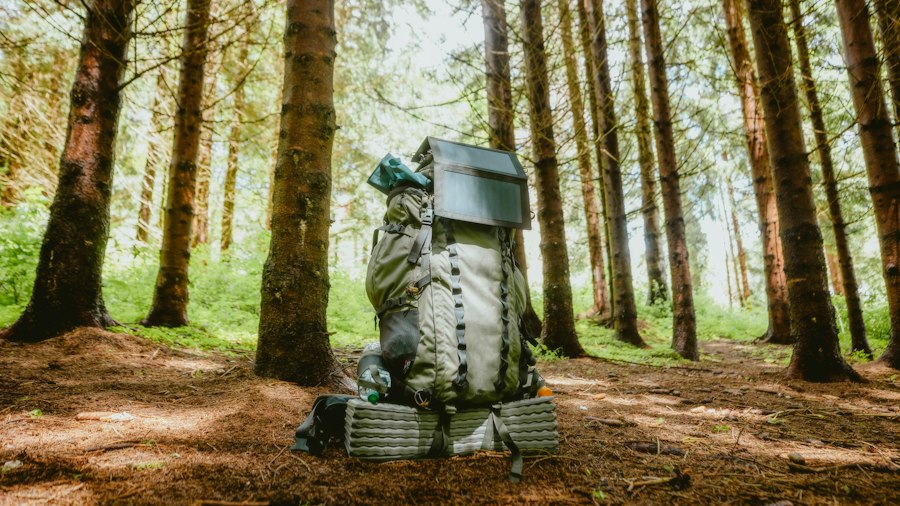
Sleeping pads are the undisputed champions of minimalist, cold-weather camping. They are designed specifically to provide a thermal barrier between you and the cold ground. Modern technology has transformed them from simple foam rectangles into sophisticated pieces of gear, offering a balance of insulation, comfort, and packability.
Types of Sleeping Pads and Their Cold-Weather Suitability
There are three primary types of sleeping pads, each with its own advantages and disadvantages when it comes to cold-weather performance:
Foam Pads (Closed-Cell Foam)
These are the simplest and most robust. Made from dense foam with tiny, sealed air pockets, they resist compression and are almost indestructible. Think of the classic accordion-style pads or the rolled foam mats.
- Pros for Cold Weather: Excellent insulation due to trapped air, completely impervious to punctures, very lightweight, relatively inexpensive. They maintain their insulating properties even if wet (though they can absorb surface water). They often provide a decent R-value for their weight.
- Cons for Cold Weather: Can be bulky to pack, less comfortable than inflatable pads, and often provide less insulation than high-end inflatable pads for the same R-value, meaning you might need to double up.
Self-Inflating Pads
These pads combine foam insulation with air chambers. When you open the valve, the foam expands, drawing air into the pad. You often need to add a few breaths to firm them up.
- Pros for Cold Weather: Good balance of insulation and comfort. The internal foam adds warmth and prevents complete collapse if punctured. Easier to inflate than pure air pads. Often offer higher R-values than basic foam pads.
- Cons for Cold Weather: Can be heavier and bulkier than foam pads for comparable R-value. Still susceptible to punctures, though less critical than pure air pads. Inflation in cold weather can be slow.
Inflatable Pads (Air Pads)
These pads rely almost entirely on trapped air for insulation, often augmented with baffles, reflective layers, or synthetic insulation inside the air chambers. They pack down remarkably small.
- Pros for Cold Weather: Offer the highest R-values for their weight and pack size. Extremely comfortable. Advanced designs incorporate internal insulation (down, synthetic, or reflective layers) to prevent convective heat loss within the air chambers, pushing R-values into double digits.
- Cons for Cold Weather: Most susceptible to punctures, which can render them useless if not patched. Inflation can be strenuous in cold, high-altitude conditions (though pump sacks or integrated pumps mitigate this). Can be expensive. Care must be taken not to introduce moisture (from breath) into the pad, which can freeze and degrade performance.
Doubling Up: Maximizing Pad Insulation
For truly frigid conditions, a single pad, even one with a high R-value, might not be enough. This is where the strategy of “doubling up” comes into play. By combining two pads, you create a significantly more insulated barrier.
Foam Pad + Inflatable Pad Combo
This is a popular and highly effective strategy. Lay a closed-cell foam pad directly on the ground first. This acts as a robust, puncture-proof base layer that won’t lose insulation if punctured. It also provides a base R-value and protects your more delicate inflatable pad from sharp objects. Then, place your high R-value inflatable pad on top of the foam. This combination leverages the durability and basic insulation of the foam with the superior comfort and high R-value of the inflatable. It’s often the gold standard for extreme cold.
Two Inflatable Pads
Less common due to weight and cost, but feasible for maximum R-value if absolute comfort and warmth are paramount and weight isn’t a major concern. You’d typically use one pad with a moderate R-value and layer it with another, higher R-value pad. However, the risk of two punctures is higher, and the cost quickly adds up.
Advantages of Sleeping Pads for Cold Weather
- Weight and Packability: Generally, sleeping pads are significantly lighter and pack down much smaller than camping cots, making them ideal for backpacking, mountaineering, and any activity where minimizing bulk and weight is crucial.
- Direct Ground Insulation: Their primary function is to provide direct insulation from the ground, which is the most efficient way to combat conductive heat loss. The entire surface area is dedicated to thermal resistance.
- Versatility: Can be used inside tents, bivy sacks, or even directly under a tarp. They don’t require specific tent dimensions to fit.
- Cost-Effective: While high-end inflatable pads can be expensive, there are many excellent, warm options at various price points, generally more affordable than comparable cots.
- Ease of Setup (mostly): Foam pads require no setup. Inflatable pads require inflation, but it’s usually quick and straightforward with a pump sack.
Disadvantages of Sleeping Pads for Cold Weather
- Puncture Risk (Inflatable Pads): The Achilles’ heel of inflatable pads. A tiny puncture can lead to a sleepless, cold night. Always carry a repair kit.
- Comfort (Foam Pads): While some find them adequate, foam pads offer minimal cushioning compared to inflatable pads or cots.
- Inflation in Cold (Inflatable Pads): Inflating a pad with breath in freezing conditions can be tiring and introduces moisture into the pad, which can freeze inside and degrade insulation. Use a pump sack or an electric pump (if you have power).
- Ground Imperfections: You’ll still feel lumps, bumps, and roots through most pads, though thicker inflatable pads offer better mitigation.
The Camping Cot: Elevating Your Cold-Weather Comfort

Camping cots lift you off the ground, immediately addressing the issue of direct conductive heat loss. This elevation can provide a significant boost in comfort, especially for side sleepers or those with back issues. However, lifting off the ground introduces new thermal challenges that need to be addressed.
Types of Camping Cots and Their Cold-Weather Considerations
Cots vary widely in design, weight, and packed size. For cold weather, stability, durability, and the ability to pair with insulation are key.
Traditional Folding Cots
These are the heavy-duty, often aluminum or steel frame cots that fold up relatively large. They are robust and very comfortable, but not for backpacking.
- Pros for Cold Weather: Extremely sturdy, offers a large, flat sleeping surface, very comfortable. Can handle heavy loads.
- Cons for Cold Weather: Very heavy and bulky, not suitable for anything but car camping. The large under-cot space can become a cold air trap if not insulated.
Backpacking Cots (Lightweight, Collapsible)
These cots use lighter materials (aluminum, carbon fiber poles) and more intricate designs to achieve a lower weight and smaller packed size, making them viable for some backpacking trips.
- Pros for Cold Weather: Still elevate you off the ground, offering comfort. Significantly lighter and more packable than traditional cots.
- Cons for Cold Weather: Can be complex to set up, still heavier and bulkier than most sleeping pads. Can be very expensive. The elevated design inherently exposes you to convective heat loss from below.
The Cot Conundrum: Addressing Under-Cot Convection
The biggest thermal challenge with a cot in cold weather isn’t conduction (because you’re off the ground), but convection. Cold air circulates underneath you, creating a “cold pocket” that constantly draws heat away from your underside. Your sleeping bag, designed to trap air, will be compressed where you lie on it, reducing its loft and thus its insulating power from below. This compression, combined with the circulating cold air, means you’ll quickly feel a chill from beneath if you don’t add insulation.
Pairing a Cot with a Sleeping Pad for Warmth
This is the non-negotiable step when using a cot in cold weather. A cot alone will make you colder than sleeping directly on the ground with a good pad. You must combine your cot with a high R-value sleeping pad.
Why a Pad is Essential on a Cot
The sleeping pad placed on top of the cot acts as the primary thermal barrier, trapping a layer of still air and preventing convective heat loss from the circulating air below the cot. It also provides a crucial layer of insulation against the cold surface of the cot itself, which can act as a heat sink. The R-value of the pad remains paramount, just as it would if you were on the ground. Think of the cot as providing the elevated platform for comfort, and the pad as providing the actual thermal insulation.
Advantages of Camping Cots for Cold Weather
- Superior Comfort: Lifting off the ground provides a much flatter, more bed-like sleeping surface, free from rocks and roots. This is a huge benefit for side sleepers, those with back pain, or anyone prioritizing a comfortable night’s sleep over absolute minimalism.
- Reduced Condensation: Being off the ground can help mitigate condensation issues inside your tent, as air can circulate more freely.
- Easier Entry/Exit: For some, getting in and out of a tent when you’re higher off the ground is significantly easier than scrambling up from ground level.
- Storage Space: The space under the cot can be used for gear storage, keeping your tent floor clear.
- Cleaner Sleeping: You’re further removed from dirt, mud, and anything else on the tent floor.
Disadvantages of Camping Cots for Cold Weather
- Weight and Bulk: Even lightweight backpacking cots are significantly heavier and bulkier than most sleeping pads, making them less suitable for long backpacking trips.
- Requires Additional Insulation: A cot alone is a heat liability in cold weather. You must add a high R-value sleeping pad on top of it, adding to the overall weight, bulk, and cost.
- Cost: Cots, especially high-quality backpacking models, can be expensive. When you factor in the necessary high R-value pad, the total investment is substantial.
- Tent Compatibility: Some cots might not fit well in smaller or oddly shaped tents. Always check the dimensions.
- Setup Complexity: Many cots require more effort and time to set up than simply rolling out a sleeping pad.
- Potential for Cold Air Traps: If not properly insulated, the space under the cot can become a reservoir of cold air that actively chills the underside of your sleeping setup.
The Verdict: Which is Right for Your Cold-Weather Adventure?
The choice between a sleeping pad and a camping cot for cold-weather camping isn’t a simple “better or worse” scenario. It boils down to your specific needs, the type of trip, your budget, and your personal priorities.
Prioritizing Weight and Packability
If you are a backpacker, a mountaineer, or anyone for whom every ounce and every inch of pack space counts, a sleeping pad is almost always the superior choice. High R-value inflatable pads offer incredible warmth-to-weight ratios and pack down to the size of a water bottle. You can achieve excellent insulation without sacrificing precious space or adding undue strain to your back. The combination of a foam pad and an inflatable pad offers superb redundancy and warmth for very cold conditions while remaining far lighter than any cot setup.
Prioritizing Comfort and Convenience (Car Camping)
For car campers, overlanders, or anyone where vehicle access means weight and bulk are less critical, a camping cot can provide an unparalleled level of comfort. The ability to sleep truly off the ground, free from rocks and roots, is a game-changer for many. However, remember the golden rule: always pair your cot with a high R-value sleeping pad. Without it, you’ll be colder than if you just slept on the ground with a good pad. The cot elevates you, but the pad insulates you.
Budget Considerations
Generally, a high-quality, high R-value sleeping pad will be less expensive than a high-quality camping cot plus the necessary high R-value sleeping pad. If you’re on a tight budget but need to stay warm, invest in the best sleeping pad you can afford. You can always add a cheaper foam pad underneath for extra insulation.
Type of Trip and Conditions
- Extreme Cold Expeditions: A high R-value inflatable pad, possibly combined with a closed-cell foam pad, is the standard for extreme cold due to its reliability and warmth-to-weight ratio. Cots are rarely seen on such trips.
- Winter Backpacking: A high R-value inflatable pad is the go-to. Weight and pack size are paramount.
- Winter Car Camping/Basecamping: This is where a cot plus a high R-value pad shines. If you want a truly luxurious night’s sleep and can handle the bulk, it’s an excellent option.
When preparing for a cold-weather camping trip, choosing the right sleeping gear is essential for a comfortable night’s sleep. A detailed comparison of sleeping pads and camping cots can help you make an informed decision, especially when considering insulation and weight. For those interested in exploring more about outdoor gear, you might find this article on the best first baseman mitts insightful, as it highlights the importance of selecting the right equipment for your needs. You can check it out here.
Maximizing Warmth Regardless of Your Choice
| Feature | Sleeping Pad | Camping Cot |
|---|---|---|
| Insulation (R-Value) | Typically 3 to 6 (higher R-value for cold weather) | Depends on pad used on cot; cot itself has minimal insulation |
| Weight | Lightweight (1 to 3 lbs) | Heavier (5 to 15 lbs depending on model) |
| Packability | Highly compressible, small packed size | Bulky, larger packed size |
| Comfort | Varies; inflatable pads offer cushioning, foam pads less so | Elevated off ground, firm support, may need extra padding |
| Cold Weather Suitability | Good if high R-value; directly insulates from cold ground | Elevated from ground, but cold air circulates underneath; requires insulated pad |
| Setup Time | Quick to inflate or lay out | Longer; requires assembly |
| Durability | Can be punctured; depends on material | Generally sturdy metal or aluminum frame |
| Price Range | Moderate to high depending on type and insulation | Moderate to high depending on quality and size |
No matter whether you choose a sleeping pad or a cot (with a pad on top), several other strategies are crucial for a warm night in cold weather.
The Role of Your Sleeping Bag
Your sleeping bag is your primary warmth provider, but it relies on its loft to trap air. When compressed, its insulation diminishes.
- Temperature Rating: Ensure your bag’s temperature rating matches or exceeds the lowest temperatures you expect. Don’t rely solely on the “comfort” rating; look at the “lower limit” or “extreme” ratings for a better sense of its true capability.
- Down vs. Synthetic: Down offers superior warmth-to-weight and compressibility but loses insulating power when wet. Synthetic insulation performs better when damp but is heavier and bulkier for the same warmth.
- Proper Fit: A bag that’s too large will have excess air space that your body has to warm, making you colder. A snug but not constricting fit is ideal.
Layering Your Sleepwear
Just as you layer your clothing for hiking, layer your sleepwear.
- Base Layer: Moisture-wicking merino wool or synthetic long underwear is essential. Avoid cotton, which absorbs moisture and quickly loses insulating properties.
- Mid-Layer: A fleece or light puffy jacket can add significant warmth.
- Socks: Clean, dry wool or synthetic socks are a must. Never sleep in the socks you wore all day, as they’ll be damp.
- Hat: A significant amount of heat is lost through your head. A warm beanie or the hood of your sleeping bag is critical.
Nutrition and Hydration
Your body is a furnace, and it needs fuel. Eat a hearty, high-calorie meal before bed, ideally something warm. Staying well-hydrated throughout the day and evening helps your body regulate temperature efficiently. Avoid excessive caffeine and alcohol, which can interfere with circulation and sleep quality.
Pre-Bed Warm-Up and Hot Water Bottle
Do some light exercises (jumping jacks, push-ups) before getting into your sleeping bag to get your blood flowing and raise your core temperature. A classic trick is to fill a Nalgene bottle with hot water, put it in a sock (to avoid direct contact with skin), and place it in your sleeping bag. It acts as a personal radiator for several hours.
Tent Ventilation and Site Selection
Even in cold weather, proper tent ventilation is important to reduce condensation. Condensation leads to damp gear and a colder experience. Look for a protected campsite, ideally out of the direct wind and in a spot that will catch the morning sun.
Ultimately, the best cold-weather sleep system is one that you trust, that you’re comfortable setting up, and that keeps you warm. Whether it’s a meticulously chosen sleeping pad or a luxurious cot setup, your choice of under-body insulation is the unsung hero of a truly restorative night in the winter wilderness. Don’t underestimate its importance – your comfort, your safety, and your enjoyment of the outdoors depend on it.
FAQs
1. What are the main differences between a sleeping pad and a camping cot for a cold-weather trip?
– A sleeping pad is lightweight, compact, and provides insulation from the cold ground, while a camping cot is elevated off the ground for added comfort and support.
2. Which option is better for insulation against the cold ground, a sleeping pad or a camping cot?
– A sleeping pad is typically better for insulation against the cold ground as it creates a barrier between your body and the ground, helping to retain body heat.
3. Are sleeping pads more portable than camping cots for cold-weather trips?
– Yes, sleeping pads are generally more portable than camping cots as they can be easily rolled up and carried in a backpack, making them ideal for backpacking and hiking trips.
4. Do camping cots provide better comfort and support compared to sleeping pads for cold-weather camping?
– Camping cots are often considered more comfortable and provide better support than sleeping pads, especially for those who prefer sleeping off the ground.
5. Which option is more budget-friendly for a cold-weather camping trip, a sleeping pad or a camping cot?
– In general, sleeping pads tend to be more budget-friendly than camping cots, making them a cost-effective option for cold-weather camping trips.