
Understanding the Shade Challenge
You’ve invested in solar panels, envisioning a future powered by clean, abundant sunlight. However, the reality of your property might present a challenge: shade. Whether it’s from a towering oak tree, a neighboring building, or even an oddly placed chimney, shade can significantly diminish your solar array’s output. It’s a common misconception that if only a small portion of a solar panel is shaded, the rest continues to generate power unhindered. Unfortunately, this isn’t usually the case with traditional solar panel setups. Understanding why shade is such a formidable foe is the first step toward effectively mitigating its impact and maximizing your solar panel charging, even when shadows loom.
Think of a solar panel as a series of interconnected solar cells. These cells are typically wired in strings. When one cell in a string is shaded, its electrical resistance increases dramatically. This increased resistance acts like a bottleneck, restricting the flow of current through the entire string. It’s akin to a kink in a garden hose; even if the rest of the hose is wide open, the kink limits the overall water flow. This phenomenon is known as the “Christmas light effect” – if one bulb goes out in an old string of lights, the whole string goes dark. While modern solar panels incorporate bypass diodes to mitigate this to some extent, allowing current to bypass a shaded cell or section, the overall performance of the shaded string still suffers significantly.
The severity of the impact depends on several factors. The density of the shade plays a crucial role; a light, dappled shade from leaves will have a different effect than a dense, opaque shadow cast by a building. The size of the shaded area also matters. A small shadow on one corner of a panel will be less detrimental than a large shadow covering an entire row of cells. Furthermore, the duration of the shade is important. Brief, transient shadows are less problematic than prolonged periods of shade that persist for hours.
You might wonder, “Why not just design panels that are immune to shade?” The answer lies in the fundamental physics of photovoltaics and the cost-effectiveness of various technologies. While advanced solutions exist to minimize shade’s impact, traditional panel designs prioritize maximizing efficiency under full sun, as that’s where they spend the majority of their operational life. Therefore, addressing shade requires a proactive approach from your side, encompassing both design choices and ongoing management. Don’t despair; even with shade, you can still harness a significant amount of solar energy.
The Bypass Diode Mechanism
To elaborate on the “Christmas light effect,” it’s crucial to understand bypass diodes. Imagine your solar panel has several strings of cells. Each string typically has one or more bypass diodes connected in parallel across groups of cells. When a group of cells within a string is shaded and its voltage drops, the bypass diode activates, creating an alternate path for the current to flow, bypassing the shaded cells. This prevents the shaded cells from becoming a “hot spot” – a localized area of high resistance that can overheat and damage the panel. While bypass diodes prevent catastrophic damage and complete shutdown of the string, they don’t magically restore the lost power. The bypassed section is effectively taken out of commission, reducing the overall power output of that string and, consequently, the entire panel. So, while they are a critical safety and operational feature, they don’t eliminate the power loss associated with shading. You’re still losing the contribution of those bypassed cells.

- 【Key Benefits】The solid black solar panel efficiently absorbs sunlight and converts it into electricity to provide a stable, uninterrupted power supply for your blinds. No additional power outlets are required, eliminating the cost of mains electricity while reducing environmental impact. Especially ideal for high or hard-to-reach windows, it solves the hassle of frequent climbing and plugging in to charge, saving you time and effort while bringing modern convenience to your home.
- 【High-performance】The 5V 6.5W solar panel delivers a stable 1090mA current, with charging efficiency dynamically adjusting to light intensity. It fully charges your motor in just 5-7 hours in bright sunlight, and provides continuous trickle charging even in weak light to keep your blinds powered. Boasting 22-24% high conversion efficiency, it works reliably on all window orientations, including north-facing windows, freeing you from home layout limitations.
- 【Easy Installation】Effortless installation requires no drilling or additional tools, making setup completely hassle-free. The solar panel comes with high-temperature resistant, strong adhesive backing, allowing you to mount it directly on window glass or smooth surfaces in just minutes. Its reliable, long-lasting adhesive stays firmly in place even with temperature fluctuations, ensuring it won’t fall off unexpectedly. The slim, low-profile design takes up minimal space after installation, so it won’t block natural light or interfere with the blinds’ movement.
- 【Applicable Range】JOYENG solar panel fits a wide range of home scenarios perfectly, ideal for living room, bedroom, kitchen and other household spaces.. It matches various motorized blind types, including zebra blinds, roller shades, cellular shades, roman shades and Shangri-La blinds. The solar panel works well on windows facing all directions, and can run stably even on north-facing windows. It is only applicable to rechargeable Type-C motorized blinds of mainstream brands.
- 【After-sales Service】Professional customer support is provided by our experienced technical team. Feel free to contact us anytime if you have any questions or usage concerns. We offer one-on-one guidance via phone call or video chat to solve your problems step by step. You are also welcome to leave messages and share your valuable suggestions with us.

- Impressive Charging Capability: Our 3.4W 6V solar charging panel generates a current of 560 mA under normal sunlight conditions, with charging efficiency varying based on sunlight intensity. On bright, sunny days, the solar panel can fully charge a 2500 mA curtain motor in just 5 - 6 hours at its fastest rate. When sunlight is weaker, the panel's charging capacity diminishes slightly, but it still reliably powers up your curtains; however, you may experience a longer charging time
- Uninterrupted Power Supply: Our solar panel provides a continuous and reliable power source for low-power indoor curtains, eliminating the need for additional outlets and keeping your space tidy and organized. For windows located at higher positions, it reduces the need for climbing up and down, saving you time and effort. It's perfect for use in multiple areas such as living rooms, bedrooms, kitchens, and more
- Wide Compatibility: Our solar panel is compatible with lithium-ion battery-powered electric shades that have a battery capacity of 3500mAh or less. The charging panel itself comes with a USB-C charging cable, and we also include a USB-B adapter, suitable for the motors of most low-power motorized blinds.
- High Conversion Efficiency: Crafted with efficient and stable monocrystalline silicon material, our solar panel boasts a more stable current output and a longer lifespan compared to polycrystalline silicon. With a conversion rate of up to 23%, it outperforms many competitors.
- Lightweight and Durable: Our solar panel features a sleek and lightweight design, measuring 14.17 inches in length, 2.36 inches in width, and just 0.08 inches in thickness, weighing only 99 grams for easy installation. Equipped with high-temperature resistant and strong adhesive double-sided tape, the solar panel can be securely attached to your window, eliminating any concerns about it falling off during use.

- 25% High Conversion Efficiency: Powered by advanced N-Type solar cells, this portable solar panel generates more energy from the same surface area. Enjoy higher power output without increasing panel size, ideal for camping, RV travel, and backup power needs
- Fiberglass-Reinforced Construction: Designed with a fiberglass layer to help resist cracking, our foldable solar panel stands up to outdoor impact and surface abrasion. Built for repeated setup and transport during camping, RV trips, and off-grid adventures
- 200 Watt Solar Panel with Plug-and-Play Compatibility: Includes XT60 and DC7909 connectors for quick and easy setup with compatible devices. Suitable for BougeRV portable fridge batteries and many power stations on the market
- Camping Solar Panel with 8.2 ft Extension Cable: Provides flexible placement between the solar panel and your power station, allowing you to position the panel in direct sunlight while keeping your device in a shaded or convenient location at camp
- Foldable Solar Panel, Easy to Carry: Folds into a compact size and features built-in side handles for convenient hand-carry transport. Designed for portability, making it easy to take along for camping, hiking, RV trips, and outdoor use

- Wide Voltage Compatibility: Engineered for motorized shades requiring 12.6V to 16.4V input, delivering a steady 5.9W output to keep your smart blinds powered effortlessly.
- Plug-and-Play Connectivity: Features a standard JST interface and includes two extra DC output cables (5.5x2.1mm & 3.5x1.35mm male connectors), ensuring seamless compatibility with most 2-pin motorized blind systems.
- High-Efficiency SunPower Cells: Utilizes durable SunPower solar patches that are rigid and not easy to bend, offering higher conversion efficiency and an extended lifespan compared to traditional panels.
- Versatile Mounting Options: Pre-drilled screw holes and included double-sided adhesive tape allow for secure and flexible installation on windows, walls, or roofs to capture the maximum sunlight.
- Complete Kit for Any Setup: Comes with two extension cables of different lengths to accommodate various wiring distances. Package includes: 1x Solar Panel, 2x Cables, and 2x Double-sided Adhesive.

- 【Built-in 5V Voltage Regulation System】Equipped with an integrated 5V voltage stabilizer, this solar panel ensures a consistent and stable output, making it compatible with a wide range of devices, including iPhone smartphones.
- 【High Compatibility & Versatility】Perfectly designed to work with window blinds, roller shades, and other 5V USB-powered devices. Ideal for powering smart shades, small gadgets, or portable devices with ease.
- 【Effortless Installation】No tools required! The solar panel comes with strong double-sided adhesive, allowing you to securely attach it to any window surface. Simply peel, stick, and position it where it can receive optimal sunlight.
- 【Efficient Solar Charging】Featuring a 5V/5.5W USB-A output, this solar panel uses high-efficiency monocrystalline silicon material, allowing it to generate more power from a smaller surface area. With an impressive conversion efficiency of up to 22%
- 【Durable and Reliable Design】Built with high-quality materials to ensure long-term durability. Its lightweight and robust construction make it a dependable power solution for daily use.

- 12v Solar Shade Charger – Supports 12.6V and 16.4V for compatibility with a wide range of smart blinds and automation systems
- Universal 2-Pin Connection – Works with most motorized blind systems; includes two DC output wires (5.5x2.1mm & 3.5x1.35mm male connectors)
- Easy Installation – Mounts securely with strong adhesive tape or screws (hardware included) for flexible placement on windows or walls
- Durable & Weatherproof – Built to withstand indoor and outdoor conditions, Ideal For: Smart motorized blinds , Automated shades & curtains, Home & office window coverings
- Package Includes: 1x 5.9W Solar Panel (12.6V/16.4V) 2x DC Output Wires (5.5x2.1mm & 3.5x1.35mm) 1x Mounting Hardware (Adhesive Tape & Screws holes)
The Impact on System Performance
The effect of shade isn’t limited to just the shaded panel. In a string inverter system, where multiple panels are wired in series to a single inverter, the performance of the entire string can be dragged down by a single shaded panel. The inverter is designed to operate at the optimal voltage and current for the entire string. If one panel’s output is significantly reduced due to shade, it can pull down the maximum power point (MPP) of the entire string, leading to a disproportionately larger loss in total energy production than you might expect from just one shaded panel. This is why careful planning and mitigation strategies are so important, especially for string inverter setups.
If you’re exploring the efficiency of solar panels in various conditions, you might find it interesting to read about the impact of different lighting conditions on energy generation. A related article that discusses innovative technologies and trends in renewable energy can be found here: Biggest Discounts on LED Shoes. This article highlights how advancements in energy-efficient products can complement solar technology, providing insights into maximizing energy use in both residential and commercial settings.
Strategic Panel Placement and Design
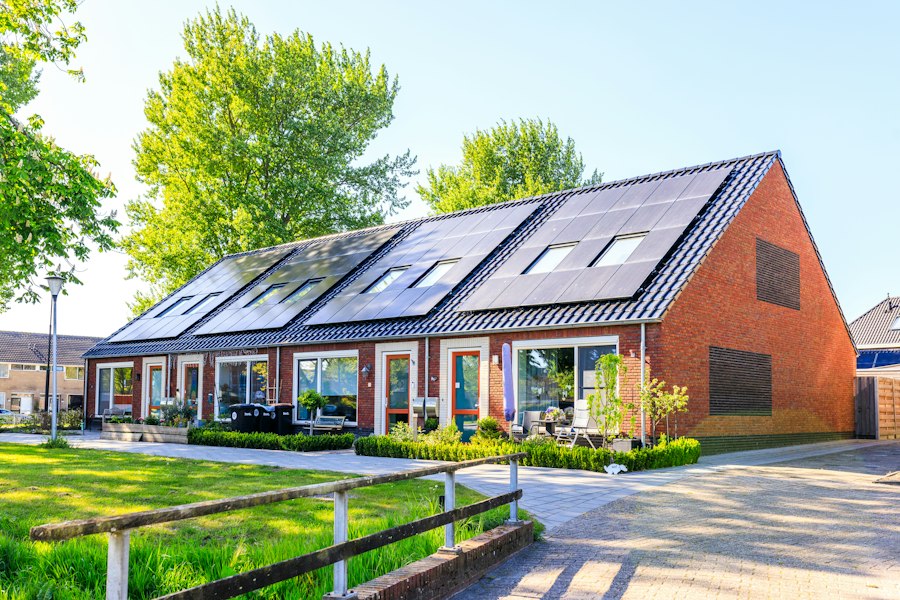
The most effective way to maximize solar panel charging in shade often begins before a single panel is installed. Strategic placement and thoughtful system design can preemptively minimize the impact of shading, saving you headaches and maximizing your energy harvest in the long run. You need to meticulously analyze your site and make informed decisions about how your solar array will be configured.
Site Analysis and Shade Mapping
Before you even think about buying panels, you must conduct a thorough site analysis. This involves creating a detailed shade map of your property. You can do this yourself with a compass and a ladder, or you can hire a professional solar installer who uses specialized tools like a SunEye or other solar pathfinders. These tools can simulate the sun’s path throughout the year and identify potential shade obstructions at different times of day and seasons.
When conducting your own shade analysis, walk around your property at different times of day, particularly during the winter months when the sun is lower in the sky and shadows are longer. Note down any objects that cast shadows on your potential solar panel locations. These could be trees, chimneys, vents, satellite dishes, dormers, or even adjacent buildings. Pay close attention to how the shadows move and change throughout the day and year. A shadow that seems insignificant in summer might become a major problem in winter. Documenting these observations with photographs and sketches will prove invaluable.
Optimizing Panel Orientation and Tilt
Once you understand your shade patterns, you can make informed decisions about panel orientation and tilt. While generally facing your panels south (in the Northern Hemisphere) at an angle equal to your latitude is ideal for maximum annual production, shade considerations might necessitate deviations. For instance, if a large tree casts a significant morning shadow on your ideal south-facing spot, you might consider orienting some panels slightly southeast or even southwest to capture more unshaded sun later in the day.
The tilt angle is also crucial. A steeper tilt in winter can help panels shed snow and might also help them catch more direct sunlight when the sun is lower. Conversely, a shallower tilt in summer might be better for capturing the higher summer sun. However, varying tilt angles usually requires specialized racking systems, which can add to the cost. The key is to find the optimal balance between maximizing sun exposure and avoiding prolonged periods of deep shade. Sometimes, moving a few panels just a few feet can make a significant difference in annual energy yield.
Exploring Different Mounting Solutions
The type of mounting system you choose can also play a role in shade mitigation. Standard flush-mount systems on rooftops are the most common, but they offer little flexibility to avoid obstacles. If your roof has numerous obstructions or varying pitches, you might consider ground-mounted systems or pole mounts.
Ground-mounted systems offer the most flexibility in terms of orientation and tilt, allowing you to position your panels in the sunniest spot on your property, away from roof obstructions. Pole mounts can elevate panels above certain lower-lying obstacles, although they might introduce new aesthetic concerns or require more structural reinforcement. Even with roof mounts, sometimes micro-tilts or specific custom racking can help raise panels slightly above short obstructions like vents. Discuss these options thoroughly with your installer to find the most appropriate and cost-effective solution for your specific shade profile.
Advanced Technologies for Shade Mitigation
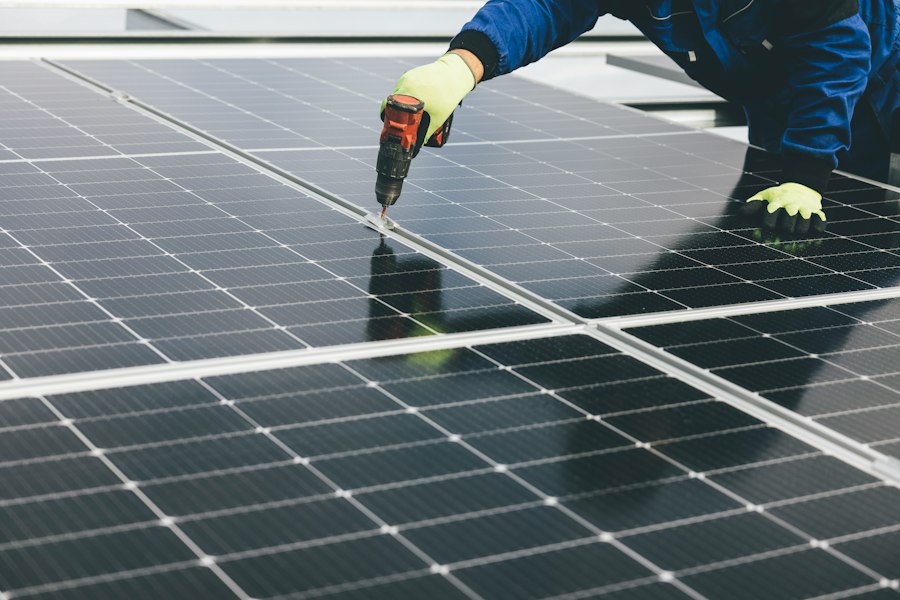
While careful planning is paramount, even the best design can’t always eliminate all shade. This is where advanced technologies come into play, offering sophisticated solutions to minimize power loss and maximize your solar panel’s charging capability even when faced with unavoidable shadows. These technologies essentially allow individual panels, or even individual sections of panels, to perform independently, preventing shade on one panel from dragging down the entire array.
Microinverters
Microinverters are arguably one of the most effective solutions for dealing with shade. Instead of having a single string inverter for multiple panels, each solar panel in your array gets its own dedicated microinverter. This means that each panel converts DC power to AC power independently.
The significant advantage of microinverters in shaded conditions is that if one panel is shaded, only that panel’s output is affected. The other unshaded panels continue to operate at their maximum power point, unaffected by the shaded panel. This eliminates the “Christmas light effect” that plagues traditional string inverter systems. You gain granular control over your array, with monitoring software often allowing you to see the individual performance of each panel. While microinverters typically have a higher upfront cost per panel compared to a single string inverter, the increased energy harvest over the system’s lifetime, especially in shaded environments, often justifies the investment. They also offer greater system resilience, as a failure in one microinverter only affects that single panel, not the entire string.
Power Optimizers
Power optimizers offer a hybrid approach between traditional string inverters and microinverters. Like microinverters, they are attached to individual solar panels. However, instead of converting DC to AC at the panel level, optimizers condition the DC power from each panel and send it to a central string inverter.
Each power optimizer tracks the maximum power point (MPP) of its individual panel. If a panel is shaded, its optimizer adjusts the current and voltage to ensure that the panel still produces as much power as possible, without negatively impacting the performance of the other panels in the string. This means that the string inverter receives a uniform, optimized DC input from all panels, regardless of individual panel shading. Power optimizers effectively mitigate the impact of shade on a panel-by-panel basis, similar to microinverters, but they still rely on a central inverter for the final DC-to-AC conversion. This can result in a slightly lower cost than a full microinverter system, while still providing significant shade mitigation benefits.
Advanced PV Modules (Shade-Tolerant Panels)
Some solar panel manufacturers are now producing advanced photovoltaic (PV) modules specifically designed with enhanced shade tolerance. These panels often incorporate more sophisticated bypass diode configurations, sometimes with diodes across smaller groups of cells (e.g., 20 or 30 cells per bypass diode, rather than 60 cells for an entire half of a panel). This allows smaller sections of the panel to be bypassed, minimizing the impact of localized shading.
Another innovation is half-cut cell technology. Instead of 60 full-sized cells, these panels have 120 half-sized cells. This effectively creates two parallel sub-strings within a single panel. If one half of the panel is shaded, the other half can continue to operate independently, producing power. This design significantly reduces the performance degradation caused by partial shading, especially when shadows fall horizontally across the panel. When considering new panels, inquire about these advanced features, as they can provide an additional layer of shade resilience.
String Inverter Technologies with Multiple MPPTs
Even if you opt for a string inverter system, you can still improve shade performance by choosing an inverter with multiple Maximum Power Point Trackers (MPPTs). A single MPPT inverter optimizes the power output for the entire string. If that string experiences shade, the inverter struggles to find an optimal point for all panels.
However, an inverter with two or more MPPTs can manage separate strings of panels independently. For example, if you have two roof sections, one prone to morning shade and the other to afternoon shade, you can connect each section to a different MPPT input on the inverter. This way, each section can be optimized for its unique shading conditions, leading to better overall performance than if they were all on a single MPPT. This is a crucial consideration if your array is spread across different orientations or experiences distinct shading patterns.
Optimizing Existing Systems
If you already have a solar panel system installed, don’t worry – you’re not out of luck. There are still several strategies you can employ to optimize its performance, even if you’re dealing with an existing shade issue. You might not be able to completely redesign your array, but you can certainly make significant improvements.
Identifying and Addressing Shade Sources
The first step is to revisit your shade analysis. Even if you did one before installation, circumstances can change. Trees grow, new structures might be built, or even a satellite dish could be repositioned. You need to actively monitor your panels and observe shadow patterns throughout the year.
Once you’ve identified the culprits, you can explore solutions. The most straightforward, if feasible, is to remove or trim the obstruction. This could involve pruning tree branches that cast shadows, relocating a vent pipe, or even adjusting a satellite dish. Be mindful of property lines and seek permission if the obstruction is on a neighbor’s property. Sometimes, even a small trim can make a big difference, especially for shadows that only cover a corner of a panel for an hour or two.
Adding Power Optimizers to Existing Panels
If your existing system uses a string inverter and you’re experiencing significant shade-related performance issues, retrofitting power optimizers is an excellent solution. You don’t need to replace your entire inverter or panels. Power optimizers can be installed on individual panels, usually under each panel, and then wired to your existing string inverter.
This upgrade allows each panel to operate independently at its maximum power point, mitigating the effect of shade on other panels in the string. It essentially transforms your basic string inverter system into one with enhanced shade resilience, similar to a new system designed with optimizers. This is often a more cost-effective upgrade than replacing your entire inverter with a microinverter system, while still delivering substantial improvements in energy yield. Your solar installer can advise you on compatibility and the best optimizers for your specific panels and inverter.
Cleaning and Maintenance
While not directly a shade mitigation strategy, regular cleaning and maintenance are vital for maximizing solar panel output, especially in shaded conditions. Even a thin layer of dust, pollen, or grime can mimic the effect of light shading. Dirt on your panels reduces the amount of sunlight that reaches the cells, thereby decreasing their efficiency. When coupled with actual shade, the cumulative effect can be significant.
You should inspect your panels regularly for debris such as leaves, bird droppings, and dust buildup. Most of the time, rain will naturally wash away much of the surface dirt. However, in drier climates or if you have specific stubborn grime, you might need to manually clean them. Use a soft brush, a squeegee, and plain water. Avoid harsh chemicals or abrasive materials that could scratch the panel surface. It’s also important to check the wiring and connections periodically to ensure everything is secure and free from corrosion. A well-maintained panel will always perform better, whether shaded or not.
Monitoring System Performance
You can’t manage what you don’t measure. Regularly monitoring your solar panel system’s performance is crucial for identifying problems, including unexpected shade issues. Most modern solar systems come with monitoring software that allows you to track daily, weekly, monthly, and annual energy production.
If you notice a sudden or gradual drop in production that doesn’t correlate with weather patterns, it could indicate a new shading issue, a malfunctioning panel, or another problem. If you have microinverters or power optimizers, your monitoring system will likely show you the individual performance of each panel, making it much easier to pinpoint which specific panels are being affected by shade. By actively monitoring, you can quickly identify and address issues, ensuring your system is always performing at its peak potential.
When considering the efficiency of solar panels for a power station, it’s essential to understand how environmental factors, such as shade, can impact energy production. For a deeper dive into related topics, you might find it interesting to explore the latest trends in technology and consumer products, such as those highlighted in a recent article about the top Black Friday Roomba deals. This article not only showcases popular items but also reflects on how advancements in technology can influence energy efficiency in various devices. You can read more about it here.
Financial and Environmental Considerations
| Condition | Charging Efficiency (%) | Estimated Charging Time (hours) | Notes |
|---|---|---|---|
| Full Sunlight | 100 | 5 | Optimal charging conditions |
| Partial Shade (30% shading) | 70 | 7 | Reduced output due to shading |
| Heavy Shade (60% shading) | 40 | 12 | Significant drop in charging speed |
| Full Shade | 10 | 50 | Minimal charging, mostly ineffective |
When you’re trying to maximize your solar panel charging in shaded conditions, it’s not just about technical solutions; it’s also about understanding the financial implications of different strategies and the overarching environmental benefits of your efforts. You’re making an investment, and like any investment, you want to ensure the best possible return, both in terms of energy and cost.
Cost-Benefit Analysis of Mitigation Strategies
Each shade mitigation strategy comes with its own price tag. Trimming a tree is generally less expensive than retrofitting microinverters, which in turn might be less expensive than completely redesigning your array with new mounting systems. You need to conduct a thorough cost-benefit analysis for each option.
Consider the upfront cost of the solution versus the potential increase in energy production over the lifetime of your system. For example, while microinverters or power optimizers have a higher initial cost, the additional energy yield in a shaded environment could lead to significantly higher savings on your electricity bill and a faster return on investment (ROI). Ask your installer for detailed projections of energy production with and without specific shade mitigation technologies. Factor in any potential maintenance costs associated with trimming trees or cleaning panels. You might find that a seemingly more expensive upfront solution offers the best value in the long run.
Incentives and Rebates for Solar Systems
Don’t forget to investigate available incentives and rebates for solar panel installations. Many governments, states, and local municipalities offer tax credits, grants, or rebate programs that can significantly reduce the net cost of your solar system, including components that enhance shade tolerance.
The federal solar tax credit (Investment Tax Credit, or ITC) in the United States, for instance, can provide a substantial percentage off the cost of your system. There might also be state-specific programs, such as net metering policies that allow you to sell excess electricity back to the grid, or renewable energy credit (REC) markets. These incentives can make advanced shade-mitigating technologies more affordable, effectively reducing the financial burden of maximizing your shaded array’s output. Always research current programs in your area before making final purchasing decisions.
Environmental Impact of Optimized Solar Production
Beyond the financial savings, your efforts to maximize solar panel charging in shade directly contribute to a positive environmental impact. Every kilowatt-hour (kWh) of electricity generated by your solar panels displaces electricity that would otherwise be generated from fossil fuels, reducing greenhouse gas emissions and your carbon footprint.
By implementing shade mitigation strategies, you are ensuring that your solar array performs at its highest possible efficiency. This means you are maximizing the amount of clean energy you produce, which directly translates to a greater reduction in reliance on traditional power sources. Even in shaded conditions, your commitment to solar power demonstrates a dedication to sustainability and a cleaner future. You are actively participating in the transition to renewable energy, setting an example for your community, and contributing to a healthier planet. Your efforts, no matter how small, collectively make a substantial difference.
FAQs
1. How much charging can you expect from a solar panel for a power station in shade?
Solar panels in shade can still generate some power, but the amount will be significantly reduced compared to panels in direct sunlight. The exact amount of charging will depend on factors such as the degree of shading, time of day, and panel efficiency.
2. What are the factors that affect the charging capacity of a solar panel in shade?
Factors that can affect the charging capacity of a solar panel in shade include the intensity of the shade, the angle of the panel, the time of day, the season, and the efficiency of the panel itself.
3. Can solar panels generate power in low light conditions or on cloudy days?
Solar panels can still generate some power in low light conditions or on cloudy days, but the output will be reduced. The panels rely on sunlight to generate electricity, so their efficiency is lower when there is less sunlight available.
4. How can you maximize the charging capacity of a solar panel in shade?
To maximize the charging capacity of a solar panel in shade, you can try adjusting the angle of the panel to capture more sunlight, trimming nearby trees or objects that are causing shade, or using a solar panel with higher efficiency ratings.
5. Is it recommended to install solar panels in shaded areas for a power station?
It is not recommended to install solar panels in heavily shaded areas for a power station, as the reduced sunlight will significantly impact the charging capacity of the panels. It is best to install solar panels in areas with direct sunlight to maximize their efficiency and power generation.