
Understanding Your Coffee Maker’s Thirst for Power
So, you’ve got your eyes on a portable power station, a shiny new piece of tech promising freedom from the grid. You’re imagining brewing that perfect cup of coffee anywhere your adventures take you – camping in the wilderness, tailgating at a game, or even just during a power outage. But can it actually handle the job? The answer, as with most things in life, isn’t a simple yes or no. It hinges entirely on two crucial specifications of your coffee maker: its wattage and its voltage. Think of these as the heart and soul of your coffee maker’s power consumption. Without understanding these, you’re essentially guessing, and when it comes to powering appliances, guesswork can lead to disappointment, or worse, damage.
Your coffee maker, whether it’s a fancy espresso machine, a simple drip brewer, or even a portable percolator, needs a certain amount of electrical energy to operate. This energy is measured in watts. The wattage rating tells you the instantaneous power demand of the device. It’s like the engine size of a car – a bigger engine generally means more power. Coffee makers are notorious for their significant power draw, especially during the heating cycle. This is the phase where the heating element inside works overtime to warm the water to the optimal brewing temperature. During this time, the wattage can spike considerably. You’ll usually find this wattage rating printed on a label on the back or bottom of your coffee maker, often alongside the voltage. It might be listed as “Watts,” “W,” or sometimes as “Peak Power.” Pay close attention to this number; it’s the first and most important piece of information you need.
Voltage, on the other hand, is the electrical potential difference, or the “pressure” that drives the electricity. For most household appliances in North America, this is 120 volts (V). In Europe and many other parts of the world, it’s 240V. Most portable power stations are designed to output standard household voltages, so if your coffee maker is designed for your region’s standard voltage, you’re likely to be okay on this front. However, it’s always good to double-check. Some specialized coffee machines might have different voltage requirements, and while less common, it’s worth being aware of. The synergy between wattage and voltage is critical. A coffee maker might require 120V, but if it demands a high wattage at that voltage, it will need a power station capable of delivering that substantial power.
Unpacking the Wattage: More Than Just a Number
The wattage rating on your coffee maker isn’t always straightforward. You might see a “running wattage” and a “peak wattage.” For a coffee maker, the heating element is the primary driver of these numbers. When you first turn on your coffee maker, especially to heat water, there’s a surge of power needed to bring the water up to brewing temperature. This is your peak wattage. Once the water is hot and the brewing process is underway, the heating element might cycle on and off to maintain the temperature, requiring less power. This is your running wattage. For a portable power station, you need to consider both. If the power station can’t handle the peak wattage, it might shut down or struggle to operate your coffee maker at all.
Consider a typical drip coffee maker. These can range anywhere from 800 watts to 1500 watts, sometimes even higher for larger or more sophisticated models. An espresso machine, with its pressurized brewing system and powerful steam wands, can easily demand 1200 watts to 2000 watts or more. This is a significant amount of power, comparable to what some hair dryers or toasters draw. You wouldn’t expect a tiny battery to run a hairdryer, and the same logic applies to your coffee maker. Therefore, understanding the specific wattage of your coffee maker is the absolute first step in determining if a portable power station is a viable option. Don’t just assume; find that label and read it carefully. This number will dictate the minimum continuous and peak output capabilities of the power station you need to consider.

- 【Built-In 40W Solar Panel】:This portable power station features a fold-out 40W solar panel built right in—no separate panel to carry. It works as a solar generator with the panel included, suitable for camping, RV trips, and emergency power. Need faster charging? Connect a compatible external panel for up to 200W solar input (sold separately).
- 【1024Wh Large Capacity & 1600W Output】:With a 1600W (3200W peak) pure sine wave output and 1024Wh capacity, this portable power station can run refrigerators, CPAP machines, tools, and more. Equipped with 8 ports (AC/DC/USB-C PD 100W), it’s perfect for outdoor adventures, home backup, and emergencies.
- 【LiFePO4 Long-Life Battery】: Built with long-life LiFePO4 battery cells, this solar generator lasts 10+ years (3000+ cycles to 80% capacity). Its advanced BMS protects against overvoltage, overheating, and short circuits, ensuring safe, reliable power for years.
- 【Multiple Charging Options】: It takes only 3 hours to recharge 80% battery of the power station through the AC adapter and 100W PD USB-C port simultaneously. also Charge your portable solar generator via car outlet, High-efficiency 40W solar charging ,Keeps you powered during emergencies
- 【Clean, Green Energy for Emergencies】Say goodbye to bulky, noisy, and polluting conventional generators. Our portable generator uses renewable energy to power your devices, making it perfect for emergencies, daily camping, sleeping in the car, fishing, family gatherings and outdoor activities, etc.


- Removable 8Ah/144Wh Battery: This portable coffee maker is equipped with 8Ah(144Wh) battery, which brews up to 5–6 cups (8 oz each) per charge,(will be affected by ambient & water temperature), designed for sharing with multiple people for outdoor use
- Brew Multiple Coffee Types: This single serve coffee maker is compatible with K cup coffee pods, coffee powder and ground coffee. Fast brewing system delivers fresh coffee in just 6–8 minutes, giving you café-style convenience wherever you go
- Flexible Power Options: the Americano battery operated coffee maker is integrated removable external battery design, which allows true cordless operation. Also compatible with AC power outlet(AC power cord is included), you can brew coffee wirelessly or while plugged in
- Outdoors Compact Size Design: The drip coffee maker features a hidden integrated handle and compact size (26.6 × 14.7 cm) for easy carrying and storage. Ideal for camping, RVs, job sites, outdoor work, fishing trips, and power outages
- Wide Cup Compatibility: The portable coffee machine is designed to fit most cup styles up to 13cm (5.1 in) tall, making it compatible with travel mugs, camping cups, and standard coffee mugs—no extra accessories needed

- 【3-IN-1 COMPATIBILITY】: The travel coffee maker for Ground Coffee, Nespresso-Style Capsules, and Dolce Gusto-Style Pods. Works with ground coffee, Nespresso-style capsules, and Dolce Gusto-style pods, so one machine covers different coffee habits at home, in the office, or while camping. No need to switch equipment when your pod format changes.
- 【7500mAh BATTERY】: The built-in 7500mAh battery brews 4–5 cups starting from cold water, with self-heating in about 5 minutes. With pre-heated water, the same charge supports 100+ cups. Recharges via USB-C and supports a 12V/24V car adapter, so this portable espresso machine works on road trips without a wall outlet.
- 【700g TAKE-ANYWHERE DESIGN】: Weighing about 700g, this camping coffee maker is sized for a backpack or car cup holder. Built with food-grade ABS and stainless steel for daily durability. Use it at a campsite, on a hiking trail, in an RV, or at an office desk.
- 【ONE-TOUCH 20-BAR ESPRESSO】: Press one button and the 20-bar pump delivers rich espresso with smooth crema in minutes. No learning curve, no guesswork—consistent coffee whether you are at home or on the trail.
- 【WHAT'S INCLUDED】: Package includes the portable coffee maker, a USB-C charging cable, and a user manual. Backed by 12-month technical support—contact us anytime for setup help, brewing tips, or warranty service.

- Compact Design, Quality Assured:Weighing 825g about as much as a thermos, this portable coffee maker is your ultimate travel companion. Crafted from durable, easy-to-clean food-grade stainless steel, it slips effortlessly into a backpack. Perfect for camp mornings, hotel stays, or a quiet office moment — enjoy barista-quality coffee on the go
- Extended Power, Fast Charging:Powered by 30W Type-C fast charging, Fanttik Cafein 11 brews about 8 shots per full charge using 25°C/77°F room-temperature water. With 92℃/197.6℉ hot water, you can reach an impressive total of up to 500 shot. And the ability to charge while brewing ensures an uninterrupted flow of rich, aromatic coffee, making it perfect for group trips or long journeys. (*Based on 50ml/1.7 oz water per cup)
- Rapid heating for instant enjoyment: In just 135s, the Fanttik Cafein 11 heats room-temperature water to an optimal extraction temperature of 198°F (about 92°C). Say goodbye to long waits! Your steaming cup of rich coffee is just moments away, allowing you to savor your favorite brew anytime, anywhere
- Golden-Cup Extraction, Abundant Crema:Its powerful 20-bar pressure, combined with a 8s pre-soak functionality, enhances extraction uniformity, bringing out the full flavor and creating a rich coffee topped with thick crema. Whether you prefer coffee grounds or capsules, this versatile machine adapts to your brewing style
- Zerogap, Outdoor Confidence: Experience seamless brewing with our integrated pressure-sensitive touch switch! Designed for quick responses, it lets you complete all extraction operations with just gentle taps. It also protects your machine from dust and moisture, preventing short circuits. Enjoy worry-free coffee moments outdoors

- Smart LED Display: The travel coffee maker features an upgraded digital screen that displays the brewing progress in real time. One-touch operation simplifies the process, making it easy for even beginners to get started and ensuring precise control over the quality of every cup
- Long-Lasting Battery Life: The portable espresso maker features a Type-C charging port for quick and convenient charging. With its long-lasting battery, it supports multiple brews, ensuring the coffee maker is always ready for action—whether you’re hiking outdoors or on a long road trip—making it your reliable coffee companion
- Quick Brewing: The portable coffee maker for travel features efficient self-heating technology, completing the brewing process in just 5–8 minutes—no long waits required. Simply pour in water and insert a capsule to enjoy barista-quality fresh coffee wherever you are, kicking off your delicious coffee moment
- Wireless and Portable: This portable coffee maker features a stylish wireless design and is equipped with a high-capacity 7800mAh battery that delivers long-lasting power. Whether you're camping, traveling in an RV, or commuting to work, it's easy to take with you so you can enjoy the rich flavor and convenience of freshly brewed coffee anytime, anywhere
- All-in-One Design: The portable espresso machine integrates a fine-mesh filter to ensure a rich and smooth coffee flavor. Its easy-to-disassemble design allows for quick and convenient cleaning, combining style and practicality to redefine the portable coffee brewing experience

- 【Heats Cold Water: Fresh Hot Coffee Anywhere】Break free from kettles and outdoor stoves. Unlike traditional portable makers that require pre-heated water, this camping coffee maker machine uses a built-in 5000mAh battery to heat cold water to a perfect 208-212°F (92-100°C) in just several minutes. Brew up to 4 cups cordlessly—perfect for chilly morning hikes, remote job sites, or any off-grid location where hot water is unavailable.
- 【Dual AC/DC Power: Home, Office & Travel Ready】A versatile caffeine solution for every scenario. Plug into the AC adapter at home or in the office for unlimited, continuous brewing; or rely on the robust battery for complete cordless freedom during outdoor adventures or RV trips. It is the ultimate car coffee maker for road-trippers and commuters who need fresh-brewed coffee in power-free environments.
- 【Pods & Grounds Compatible: Pure Drip Flavor】Switch seamlessly between freshly ground coffee and standard ESE pods (non-capsule). Whether you crave the rich layers of artisanal grounds or the mess-free convenience of coffee pods, this 2-in-1 brewer delivers. Designed for precision Drip Brewing, it provides a smooth, "pour-over" style taste that captures the pure essence of your beans—ideal for Americano lovers.
- 【Smart One-Touch Brewing: No Manual Pumping】Say goodbye to the physical strain of manual hand-press machines. With a single touch, this electric brewer delivers a consistent 6 oz cup of rich coffee in 3-5 mins (AC mode) or 6-8 mins (Battery mode). Advanced temperature control ensures a balanced, café-quality cup every time, making it a reliable daily companion for busy professionals and coffee enthusiasts.
- 【All-in-One Travel Kit: Ready for the Road】Your "mobile cafe" in a box. The travel coffee maker features an integrated handle for easy carrying and fits perfectly in car cup holders or backpack side pockets. The complete set includes a removable water tank, a double-walled stainless steel mug, a scoop, and a permanent filter. No extra accessories are needed—making it the perfect gift for camping, fishing, and travel lovers.

- [What You Get] Package contents: Q2501 portable power station, AC charging cable, mc4 XT90 solar charging cable, instruction manual. Note: Due to the heavy weight of the product, the power station and foldable cart will be delivered in separate packages.
- 🌞[Large Capacity 2160Wh/2400W High Output] The portable power station weighs only 21.5 kg and is easy to carry. Plenty of battery capacity for multiple nights of camping or during power outages. You can get through it with just this one! Effective for preparation at home and use by a large number of people in offices and local governments. You can use most electrical appliances with an output of 2000W, including electric blankets, laptops, hair dryers, electric kettles, and microwave ovens.
- 🌞[Uses high-quality LiFePO4 battery] The built-in battery uses a lithium iron phosphate battery (LiFePO4) that lasts 15 years with over 3500 charge/discharge cycles. It lasts seven times longer than conventional batteries and costs less. The solar generator has the battery management system (BMS) and control unit (MCU) to manage battery cell voltage and temperature.
- 🌞[Adjustable input power and convenient to carry] SolarPlay portable power supply can adjust the input power in five levels: 300W, 500W, 700W, 900W, 1100W, and can be charged according to the usage environment and charging needs. You can use the power station more safely and extend the service life of your portable power supply if you choose low input power.
- 🌞[Fully charged in 1.5 hours with dual charging] SolarPlay technology enables dual charging, so it can be fully charged in about 1.5 hours despite its large capacity. The solar powered generator can be fully charged in about 2 hours at 1100W, which is much faster. The power station lets you charge immediately when you need. The generator for home works with AC adapters solar panels (11.5V to 48V, max. 500W), car cigarette sockets (12V/24V) and generators. Use the Solarplay solar panel 200W with it.

- [Top-Tier Low Standby Draw & Extended Runtime] – Boasting an ultra-low 4W idle power draw, this fridge backup battery runs 26% longer (around 4.5 extra hours) than same-capacity rivals. Pair it with BlueCell 200 expansion packs for a max 8064Wh capacity, powering your fridge for up to 4 full days to prevent food spoilage amid power cuts.
- [DualGuard Intelligent UPS Uninterrupted Supply] – Zero downtime for your fridge: it switches to battery within 10ms once blackouts hit. Should the FridgePower unit malfunction, it automatically reverts to mains power. Four smart UPS presets—Standard, PV Priority, Time of Use and Custom—let BLUETTI FridgePower match all household power habits.
- [75mm Super-Slim Space-Efficient Build] – Unlike cumbersome conventional power stations, FridgePower is engineered exclusively for fridge emergency backup. Its 75mm slim profile fits 99.65% of kitchen nooks—behind fridges, wall surfaces or side cabinets—saving all floor room. Freestanding and wall-mount compatible; DIY installation finished in just 5 minutes.
- [Weather Storm Notifications + Voice Assistant Compatibility] – The mobile app sends severe storm alerts and triggers automatic rapid charging. Compatible with Alexa and Google Home, allowing voice-based battery level checks for constant emergency readiness.
- [Multi-Scene 1800W Output for Household Critical Gear] – The 1800W rated output operates sump pumps, fish tanks, deep freezers and all kitchen electronics. A single unit delivers reliable power protection for every vital home electrical load.

- 𝟗𝟎𝟎𝟎𝐦𝐀𝐡 𝐇𝐢𝐠𝐡-𝐂𝐚𝐩𝐚𝐜𝐢𝐭𝐲 𝐁𝐚𝐭𝐭𝐞𝐫𝐲 & 𝟐𝟎𝟎+ 𝐒𝐡𝐨𝐭𝐬: Powered by 3×3000mAh built-in batteries, Electactic portable espresso maker delivers more that 6 hot shots per full charge with 77°F room temperature water or enjoy 200+ shots with hot water—ideal for camping, road trips, or daily office use 𝐍𝐨𝐭𝐞: In standard extraction mode (no heating), it supports over 200+ shots. In heating mode, it supports 4-6 shots.
- 𝐒𝐦𝐚𝐫𝐭 𝐂𝐨𝐧𝐭𝐫𝐨𝐥 & 𝐋𝐄𝐃 𝐃𝐢𝐬𝐩𝐥𝐚𝐲: Dedicated one-touch buttons for heating and direct extraction, plus a clear LCD screen showing real-time battery level & temperature. No complex steps—just perfect coffee in minutes
- 𝐑𝐢𝐜𝐡 𝐂𝐫𝐞𝐦𝐚 & 𝐒𝐞𝐥𝐟-𝐇𝐞𝐚𝐭𝐢𝐧𝐠: This portable coffee maker with 15-bar pressure makes smooth, crema-rich espresso. Heats water from 77°F to 198°F in 160s. Brew up to 4-6 hot espresso cups per charge. No kettle needed - espresso anytime, anywhere. 𝐍𝐨𝐭𝐞: When using coffee maker outdoors, excessively cold weather may affect the heating performance.
- 𝐎𝐧𝐞-𝐓𝐨𝐮𝐜𝐡 𝐁𝐫𝐞𝐰 (𝐂𝐚𝐩𝐬𝐮𝐥𝐞𝐬 & 𝐆𝐫𝐨𝐮𝐧𝐝): The travel coffee maker is compatible with nespresso capsule coffee or coffee grounds. One-touch operation, simple and convenient, no mess, no spills. No app, Bluetooth, or smartphone required. Ideal for single-cup coffee lovers.
- 𝐔𝐥𝐭𝐫𝐚‑𝐩𝐨𝐫𝐭𝐚𝐛𝐥𝐞 & 𝐀𝐧𝐭𝐢‑𝐭𝐢𝐩 𝐃𝐞𝐬𝐢𝐠𝐧: This camping coffee maker weighs only 800g, compact and lightweight, slips easily into your backpack, travel bag, or car cup holder. Equipped with a custom cup holder adapter, this coffee maker can stay securely stable in the car cup holder- no tipping, no shaking, no compromised flavor.
The Hidden Costs of Voltage Compatibility
While wattage is often the primary concern, voltage compatibility is the silent, yet equally important, factor. As mentioned earlier, most standard home coffee makers operate on 120V in North America and 240V in Europe and other regions. Portable power stations are typically designed to output these standard voltages. However, the devil is in the details. Some very high-end or commercial-grade coffee machines might have different voltage requirements, and it’s crucial to ensure your power station can match these. Plugging a device with a different voltage requirement into a power source can lead to immediate damage, often irreversible, to both the appliance and potentially the power station.
It’s not just about the output voltage of the power station; it’s also about the type of power it provides. Most portable power stations output what’s called “pure sine wave” AC power. This is the cleanest and most stable form of electricity, identical to what you get from your wall outlet. Many coffee makers, especially those with sensitive electronics, heating elements, and pumps, are designed to run on pure sine wave power. If a power station outputs “modified sine wave” power, it’s a less stable waveform. While some simpler appliances might tolerate it, more complex electronics, like those found in many modern coffee makers, can be damaged or operate erratically when powered by modified sine wave. Always check the power station’s specifications to ensure it offers pure sine wave output if your coffee maker is more than a basic model.
If you’re considering the practicality of using a portable power station to run a coffee maker, you might find it helpful to explore related topics that discuss the best deals on essential appliances. For instance, an article detailing the top Black Friday women’s clothing deals can provide insights into how to save money while shopping for home essentials. You can check it out here: Top 10 Best Black Friday Women’s Clothing Deals. This could be particularly useful if you’re looking to upgrade your kitchen setup while also taking advantage of seasonal sales.
The Portable Power Station’s Capacity: Watts vs. Watt-Hours
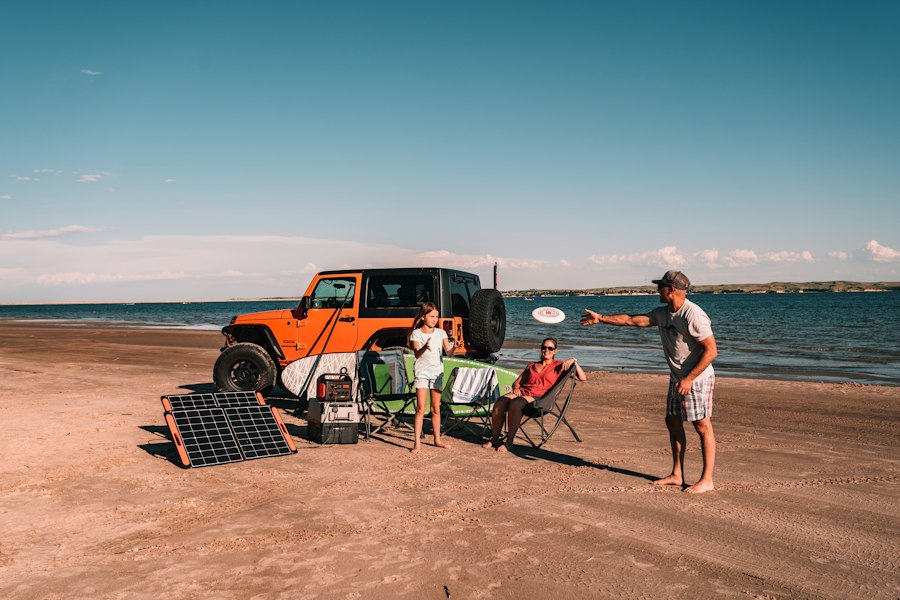
Now that you’ve grappled with your coffee maker’s power demands, let’s turn our attention to the portable power station itself. These devices are characterized by two key ratings: wattage (or power output) and watt-hours (or energy capacity). It’s easy to get these confused, but understanding the difference is paramount to making an informed decision about brewing your beloved coffee on the go. Think of wattage as the speed at which electricity can be delivered, and watt-hours as the total amount of electricity stored.
The wattage rating of a portable power station is its continuous output and often its peak output. This tells you the maximum amount of power it can supply at any given moment. If your coffee maker demands, say, 1000 watts during its heating cycle, your power station must be able to provide at least 1000 watts continuously. Many power stations will also list a higher “surge” or “peak” wattage, which is the maximum they can handle for a very short duration (usually a few seconds). This is important because coffee makers often have a brief, higher power surge when the heating element kicks in. Therefore, you need a power station whose peak output rating comfortably exceeds your coffee maker’s peak wattage requirement. If the power station’s continuous or peak wattage is lower than your coffee maker’s demand, it simply won’t be able to power it, or it might overload and shut down.
The second critical rating is watt-hours (Wh). This represents the total amount of energy the power station can store. It’s essentially the battery’s capacity. Imagine a fuel tank in a car: wattage is how much fuel the engine can burn per hour, while watt-hours is how much fuel is in the tank. A coffee maker that uses 1000 watts for 5 minutes (which is 1/12 of an hour) will consume approximately 1000 * (1/12) = 83.3 watt-hours of energy. If your power station has a 500 Wh capacity, you could theoretically make several cups of coffee before needing to recharge the power station, assuming the wattage demands are met. However, you also need to account for inefficiencies in power conversion and the fact that you might want to power other devices as well. Therefore, when considering if a power station can run your coffee maker, you need to assess both its ability to deliver the required instantaneous power (wattage) and its overall energy reserve (watt-hours) to determine how many brews you can get before recharging.
Navigating the Wattage Maze: Continuous vs. Surge Power
When you look at the specifications of a portable power station, you’ll almost always see two wattage figures: a continuous wattage and a surge wattage (also sometimes called peak wattage). This is where many people get tripped up, and it’s absolutely vital for running appliances like coffee makers. The continuous wattage is the maximum power the power station can reliably deliver for an extended period. This is like the steady hum of power your coffee maker needs once it’s up and running. The surge wattage, on the other hand, is a higher power output that the power station can provide for a brief moment, typically a few seconds. This is critical because many appliances, especially those with heating elements or motors, experience a significant power spike when they first start up.
Your coffee maker is a prime example of an appliance with a surge. When you flip the switch, the heating element doesn’t instantly reach its operating temperature. It draws a significantly larger amount of power for a short burst to heat the water. If your power station’s continuous wattage is high enough, but its surge wattage is too low, it might fail to start your coffee maker. Imagine trying to push a heavy door open; you need a strong initial push (surge) to get it moving, even if it’s relatively easy to keep it open once it’s moving (continuous). Therefore, when checking if a portable power station can run your coffee maker, you must compare your coffee maker’s peak wattage to the power station’s surge wattage. A good rule of thumb is to have a power station with a surge wattage at least 20-30% higher than your coffee maker’s peak wattage requirement to ensure a smooth and reliable startup.
The Energy Equation: How Many Brews Can You Expect?
Once you’ve confirmed that the portable power station has sufficient wattage to start your coffee maker, the next logical question is: how many cups can you actually brew before the power station runs out of juice? This is where the watt-hour (Wh) rating of the power station comes into play. This number represents the total energy storage capacity of the battery within the power station. To figure out how many brewing cycles you can expect, you need to estimate the energy consumption of your coffee maker per brew.
To do this, you’ll need to know the wattage of your coffee maker and approximately how long it runs during a brewing cycle. For example, let’s say you have a 1000-watt coffee maker that takes about 5 minutes (which is 5/60 = 0.083 hours) to brew a pot. The energy consumed for one brew would be: 1000 watts * 0.083 hours = 83.3 watt-hours. If your portable power station has a capacity of 500 Wh, you could theoretically make: 500 Wh / 83.3 Wh/brew = approximately 6 brews.
However, this is a simplified calculation. Real-world usage involves several factors that reduce the actual number of brews:
- Power Station Inefficiencies: There are always some energy losses when converting the battery’s DC power to the AC power your coffee maker uses. Most power stations have an efficiency rating, often around 85-90%. You should factor this in by dividing the power station’s rated capacity by its efficiency. So, a 500 Wh power station with 90% efficiency effectively gives you 450 Wh of usable energy.
- Coffee Maker Cycle Variations: The brewing time can vary slightly depending on how full the coffee maker is, the water temperature, and the ambient temperature.
- Other Appliances: You might be using the power station to charge your phone or run other small devices simultaneously, which will also deplete its energy reserves.
- Battery Health and Temperature: The performance of lithium-ion batteries can be affected by extreme temperatures (both hot and cold) and their age.
So, while the calculation provides a good starting point, it’s always wise to expect slightly fewer brews than your initial estimate. It’s better to overestimate your power needs than to be caught with an empty battery mid-brew.
The Crucial Ratings to Check on a Portable Power Station
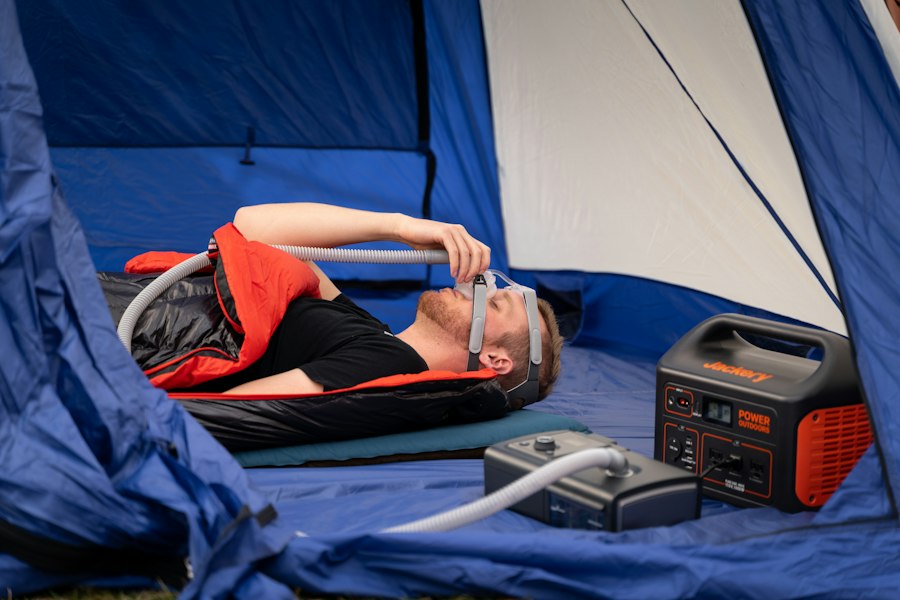
When you’re eyeing a portable power station to be your mobile barista, there are two specific ratings that will make or break your coffee-making dreams. Ignoring these is akin to buying a car without checking if it has an engine. You need to know what you’re looking for, and thankfully, they’re usually clearly labeled on the product’s specifications. These are the numbers that will determine if that beautiful, steaming cup of coffee can be brewed from a compact unit.
The first rating you absolutely must scrutinize is the AC Output Wattage. This refers to the maximum amount of power the power station can supply through its standard wall outlets. As we’ve discussed extensively, coffee makers are power-hungry appliances, especially during their heating phase. You need to ensure that the power station’s AC output wattage meets or exceeds your coffee maker’s peak wattage requirement. For instance, if your coffee maker has a peak draw of 1200 watts, you’ll need a power station that can deliver at least 1200 watts continuously, and ideally, even more for surge power. Many portable power stations will list both a “continuous” and a “surge” wattage. For coffee makers, the surge wattage is particularly important because of that initial power spike. Don’t be fooled by a high surge wattage if the continuous wattage is too low; the power station might struggle to maintain the power output.
The second essential rating is the Battery Capacity in Watt-Hours (Wh). This tells you the total amount of energy the power station can store. While wattage determines if the power station can power the coffee maker, watt-hours determines how long it can power it, or how many times you can brew. A higher Wh rating means more energy storage, allowing for more brews or longer runtimes for other devices. As we calculated earlier, you can use the wattage of your coffee maker and its estimated run time to estimate the Wh needed per brew. Then, divide your power station’s Wh capacity by the Wh per brew to get a rough idea of how many coffees you can make. Remember to account for inefficiencies and the fact that you might want to power other devices, so having a power station with a Wh capacity significantly larger than your immediate needs is always a good idea.
Decoding the AC Output: Continuous vs. Surge Power Demands
When you’re in the market for a portable power station, the AC output wattage is the star of the show for running appliances like your coffee maker. However, it’s not a single, simple number you should focus on. Most power stations will specify two key wattage figures related to their AC output: continuous wattage and surge wattage. Understanding the difference between these two is the key to avoiding a frustrating experience where your coffee maker either won’t turn on or shuts down mid-brew.
The continuous wattage is the maximum power the power station can consistently deliver over an extended period. This is the power your coffee maker needs once it’s settled into its brewing rhythm. However, the initial startup of a coffee maker is rarely so consistent. The surge wattage (sometimes called peak wattage) is the higher power output that the power station can provide for a very short duration, typically a few seconds. This surge is crucial because coffee makers, especially those with heating elements, experience a significant power spike when they first power on to heat the water. This initial demand is often much higher than the power required for the rest of the brewing cycle.
Therefore, when you’re checking the specifications for your coffee maker, find its peak wattage. Then, look at the power station’s specifications and compare. You need a power station whose surge wattage is at least equal to, and preferably exceeds, your coffee maker’s peak wattage. If the power station’s surge wattage is insufficient, it simply won’t be able to handle the initial power demand, and your coffee maker will likely not operate, or the power station might trigger its overload protection and shut down. Once the coffee maker is running, the continuous wattage becomes more important for sustained operation, but the surge capacity is the gateway to even getting it started.
The Watt-Hour Equation: How Many Cups Can You Brew?
Beyond just the immediate power output, you need to consider how much “fuel” the portable power station has to sustain that power. This is where the battery capacity in Watt-Hours (Wh) becomes your next crucial metric. Think of Watt-hours as the total energy reserve. While wattage tells you the rate at which energy can be delivered, Watt-hours tells you the total amount of energy available. For your coffee maker, this translates directly to how many brewing cycles you can complete before the power station needs to be recharged.
To estimate this, you’ll need to perform a simple calculation. First, determine the Watt-hours consumed per brew by your coffee maker. You’ll need your coffee maker’s wattage (which you’ve already identified) and the approximate time it takes to brew a pot or a single cup. Let’s say your coffee maker is rated at 1000 watts and it takes 5 minutes (which is 0.083 hours) to brew. The energy consumption for one brew would be:
Wattage × Time (in hours) = Watt-hours per brew
1000 W × 0.083 h = 83.3 Wh per brew
Now, you can use the portable power station’s Watt-hour capacity. If the power station has a capacity of 500 Wh, you can estimate the number of brews:
Power Station Capacity (Wh) / Watt-hours per brew = Number of brews
500 Wh / 83.3 Wh/brew = 6 brews (approximately)
It’s important to remember that this is a theoretical maximum. In reality, you’ll likely get fewer brews due to several factors:
- Inverter Efficiency: Portable power stations have an inverter that converts the battery’s DC power to AC power for your appliances. This conversion process is not 100% efficient; some energy is lost as heat. Most power stations have an inverter efficiency of around 85-90%. You should factor this in by dividing the rated Wh capacity by the efficiency. For example, a 500 Wh power station with 90% efficiency effectively offers 450 Wh of usable power.
- Coffee Maker Variations: The actual brewing time can fluctuate based on the amount of water, water temperature, and ambient temperature.
- Other Devices: If you’re using the power station to charge your phone or other devices simultaneously, their energy consumption will also contribute to draining the battery.
- Battery Degradation: Like all batteries, lithium-ion batteries in power stations can degrade over time and with use, slightly reducing their total capacity.
Therefore, always err on the side of caution and assume you’ll get slightly fewer brews than your calculation suggests. It’s better to have a bit of leftover power than to be left without coffee when you need it most.
Considerations Beyond the Ratings: Type of Coffee Maker
While wattage and watt-hours are the absolute non-negotiables when assessing a portable power station’s capability for your coffee maker, the type of coffee maker itself plays a significant role in your power needs and the overall feasibility. Not all coffee makers are created equal, and their power demands can vary dramatically, influencing what kind of portable power station you’ll need. Understanding the nuances of different coffee maker types will help you refine your search and set realistic expectations.
Drip coffee makers are generally the most straightforward and often the most power-efficient of the common brewing methods. They primarily rely on a heating element to heat the water and then gravity to drip it through the coffee grounds. Their wattage can range from about 800 watts for smaller, basic models to 1500 watts for larger, more feature-rich machines. This makes them a good candidate for many mid-range portable power stations, provided the station has sufficient surge capacity for the initial heating.
Espresso machines, on the other hand, are a different beast entirely. They often require much higher wattage due to the need to heat water to very high temperatures and build significant pressure to extract espresso. A typical home espresso machine can easily require between 1200 and 2000 watts, and sometimes even more, especially if it includes a steam wand for frothing milk. These machines will necessitate a more powerful and higher-capacity portable power station.
Pod-based coffee makers (like Keurig or Nespresso) also have varying power requirements. While the brewing itself might not be as power-intensive as a traditional espresso machine, the rapid heating element designed to deliver a hot beverage in seconds can still draw a substantial amount of power, often in the 1000-1500 watt range during the heating cycle.
Portable percolators, often used for camping, can be electric or stovetop. Electric percolators will have similar wattage requirements to drip coffee makers. Stovetop percolators, of course, require an external heat source like a camping stove, so they don’t draw power from a portable power station at all.
The Mighty Drip: A Common Choice for Portability
When you think of brewing coffee away from home, the humble drip coffee maker often comes to mind. These are generally the most accessible and power-friendly option for portability. Their design is relatively simple, focusing on heating water to an optimal brewing temperature and then allowing it to drip through coffee grounds. This straightforward process translates into a more manageable power draw compared to some other coffee-making methods.
You’ll typically find drip coffee makers rated anywhere from 800 watts to 1500 watts. The higher end of this spectrum is usually for models that brew larger pots or have features like built-in grinders or warming plates. During the initial heating phase, the appliance will draw its peak wattage. Once the water is hot and the brewing cycle is in full swing, the heating element may cycle on and off to maintain the temperature, leading to a slightly lower average power consumption.
For a portable power station to effectively run a drip coffee maker, you need to pay close attention to two key specifications: the surge wattage and the continuous wattage of the power station. If your drip coffee maker’s peak wattage is, for example, 1200 watts, you’ll need a power station with a surge wattage that can comfortably handle that. Many portable power stations in the 1000-1500 watt continuous output range will have surge capabilities that can exceed 1500 watts, making them suitable.
Furthermore, the watt-hour (Wh) capacity of the power station will determine how many brewing cycles you can achieve. A coffee maker that uses 1000 watts for 5 minutes (approximately 83 Wh per brew) will drain a 500 Wh power station by about 16.6% per brew (factoring in some efficiency losses). This means you could get roughly 6 brews from a 500 Wh unit, which is often sufficient for a weekend camping trip or several power outage mornings. The simplicity and relatively lower power demands of drip coffee makers make them a prime candidate for enjoying freshly brewed coffee with a portable power station.
Espresso and Pod Machines: The Power Hungry Enthusiasts
If your coffee preference leans towards the rich, intense flavor of espresso or the convenience of single-serve pod machines, you’re venturing into territory that requires more robust portable power solutions. These coffee makers, while delivering delightful results, are generally more power-hungry than their drip counterparts. This is due to the specialized mechanisms they employ to achieve their desired brewing outcomes.
Espresso machines, for instance, need to generate significant pressure to force hot water through finely-ground coffee. This often involves powerful pumps and heating elements that operate at higher temperatures. Consequently, a typical home espresso machine can easily demand between 1200 watts and 2000 watts, and some high-end models with steam wands can push even higher. Running such an appliance from a portable power station requires a unit with a substantial surge wattage to handle the initial startup power draw, and a strong continuous wattage to sustain the brewing process. You’ll likely be looking at power stations with continuous outputs of 1500 watts or more, and surge ratings that are significantly higher.
Pod-based coffee makers, while often more compact, also have their power demands. The promise of a hot beverage in under a minute means these machines often feature rapid heating elements. This concentrated heating can lead to a significant power draw during the heating phase, often in the 1000-1500 watt range. While they might not require the same extreme pressure as an espresso machine, their fast-heating technology still necessitates a portable power station with adequate surge capacity.
For both espresso and pod machines, the watt-hour (Wh) capacity of the power station becomes even more critical. Because these machines consume more power per brew, you’ll get fewer cups from a given power station capacity compared to a drip coffee maker. For example, if an espresso machine uses 1800 watts for 3 minutes (which is 0.05 hours), that’s 1800 W * 0.05 h = 90 Wh per brew. A 500 Wh power station would then yield approximately 500 Wh / 90 Wh/brew = about 5.5 brews. If you plan on making multiple espressos or pods, you’ll definitely need to invest in a power station with a higher Wh capacity, likely 1000 Wh or more, to ensure you have enough power for your needs. Always check the specific wattage of your espresso or pod machine and match it with a power station that can comfortably exceed those requirements in both surge and continuous output, while also providing enough total energy in watt-hours for your expected usage.
If you’re curious about the capabilities of portable power stations, you might find it interesting to explore how they can handle various appliances, including coffee makers. A related article discusses the top-rated catcher mitts, which may not seem directly connected but highlights the importance of choosing the right gear for your needs. You can check it out for more insights on selecting the best equipment for your activities by visiting this link.
Pre-Brewing Checks: Ensuring a Smooth Power Experience
| Metric | Description | Typical Value | Relevance to Coffee Maker |
|---|---|---|---|
| Wattage (Power Output) | Maximum continuous power the portable power station can supply | 300W – 2000W | Coffee makers typically require 600W to 1200W to operate |
| Battery Capacity (Wh) | Total energy stored in the power station’s battery | 200Wh – 2000Wh | Determines how long the coffee maker can run before recharging |
| Surge Power | Short-term power output to handle startup surges | Up to 4000W | Coffee makers may have a startup surge; power station must handle it |
| Output Voltage | Voltage supplied by the power station’s AC outlet | 110V – 120V (US standard) | Must match coffee maker’s voltage requirements |
| Run Time | Estimated duration the power station can run a coffee maker | 15 – 60 minutes | Depends on battery capacity and coffee maker wattage |
You’ve done your research, you’ve identified your coffee maker’s power needs, and you’ve found a portable power station that seems to fit the bill. But before you embark on your first off-grid coffee brewing adventure, there are a few crucial pre-brew checks you should perform to ensure a smooth and successful experience. These steps are designed to prevent potential issues and ensure you get that delicious cup of coffee without any unexpected hiccups.
The first and most important check is to verify the power station’s output type. As we’ve touched upon, most modern coffee makers, especially those with digital displays, timers, or complex brewing mechanisms, are designed to run on pure sine wave AC power. This is the clean, stable electricity that mimics what you get from your household wall outlets. Many portable power stations advertise their output as pure sine wave. However, some budget-friendly power stations might offer modified sine wave output. While this type of power is suitable for simpler appliances like lights or basic fans, it can cause problems for sensitive electronics. It can lead to erratic operation, overheating, or even permanent damage to your coffee maker’s internal components. Always check the power station’s specifications to confirm it delivers pure sine wave AC output if your coffee maker has any electronic components. If in doubt, err on the side of caution and choose a pure sine wave unit.
The second pre-brew check involves optimizing your coffee maker’s energy usage. While you can’t fundamentally change your coffee maker’s wattage, you can make some smart choices that will reduce its overall power consumption per brew. For instance, if you’re using a drip coffee maker, only brew the amount of coffee you intend to drink. Running a full pot when you only want a single cup wastes energy for heating the excess water. Consider using a single-serve coffee maker if that suits your needs, as they are often designed for more efficient, on-demand brewing. If your coffee maker has a warming plate, turn it off as soon as your coffee is brewed, as these plates can continue to draw significant power to keep the coffee hot, even if it’s already at drinking temperature.
Finally, test your setup before you’re in a critical situation. Don’t wait for a power outage or a camping trip to discover that your portable power station can’t run your coffee maker. The first time you plan to brew coffee away from your usual setup, do a trial run at home. Plug your coffee maker into the portable power station and go through the entire brewing process. Observe how the power station performs. Does it handle the startup surge smoothly? Does it run without any unusual noises or warnings? Does the power station’s display indicate a stable power draw? This practice run will not only confirm compatibility but also give you a real-world understanding of how long the power station’s battery lasts when powering your coffee maker. It’s far better to discover any issues in a controlled environment than when you’re miles from civilization and craving that much-needed caffeine fix.
The Sine Wave Difference: Pure vs. Modified for Your Brew
One of the most critical, yet often overlooked, factors when connecting a portable power station to a sensitive appliance like a coffee maker is the type of AC power it outputs. Portable power stations convert the DC power stored in their batteries to the AC power that your household appliances use. There are two main types of AC power waveforms: pure sine wave and modified sine wave. For your coffee maker, understanding this distinction is paramount to its safe and effective operation.
Pure sine wave power is what you get from your standard wall outlet. It’s a smooth, clean, and consistent electrical waveform. Most modern coffee makers, especially those with digital displays, timers, heating elements, pumps, and other electronic components, are designed to operate on pure sine wave power. This type of power is gentle on electronic circuits and ensures that the appliance functions as intended without any adverse effects.
Modified sine wave power, on the other hand, is a more rudimentary and less stable waveform. It approximates a sine wave with a series of square steps. While it can power some basic appliances that are less sensitive to power quality (like simple lights or fans), it can cause problems for more sophisticated electronics. When a coffee maker that’s designed for pure sine wave power is plugged into a modified sine wave output, you might experience a range of issues:
- Erratic Operation: The coffee maker might not function correctly, with buttons not responding, displays flickering, or the brewing process being interrupted.
- Overheating: The components within the coffee maker may overheat due to the inconsistent power delivery, potentially leading to premature failure.
- Damage to Electronics: The sensitive electronic components can be stressed and damaged by the “dirty” power, leading to permanent malfunction.
- Audible Noise: You might hear a humming or buzzing sound from the coffee maker, indicating that it’s struggling to operate.
Therefore, when you are checking the specifications of a portable power station for running your coffee maker, always look for a unit that explicitly states “pure sine wave output.” This is especially true for espresso machines, advanced drip coffee makers, and pod machines, which have more complex electronics. While a modified sine wave unit might be cheaper, the risk of damaging your coffee maker is significant and can far outweigh any initial cost savings. Prioritizing pure sine wave output is an essential step in ensuring your coffee maker operates reliably and safely from your portable power station.
The Practice Run: Testing Your Portable Barista Setup
You’ve meticulously researched your coffee maker’s wattage and your portable power station’s output capabilities. You’ve confirmed pure sine wave output and sufficient watt-hours. Now, before you head out on that camping trip or rely on your power station during an outage, there’s one final, critical step: the practice run. This is your opportunity to simulate the real-world scenario and ensure everything works harmoniously, avoiding the frustration of discovering compatibility issues when you’re in a pinch.
The purpose of the practice run is multifaceted. Firstly, it’s about verifying the power delivery. Plug your coffee maker into the portable power station and initiate the brewing cycle exactly as you would normally. Observe how the power station handles the initial surge. Does it seem strained, or does it power up the coffee maker smoothly? Listen for any unusual noises from either the power station or the coffee maker. Most portable power stations will have a display that shows the current power draw (in watts) and the remaining battery percentage. Monitor these readings to see how much power the coffee maker is consuming and how quickly the battery is depleting.
Secondly, the practice run allows you to gauge the actual runtime. While our watt-hour calculations provide a theoretical estimate, real-world usage can vary. You’ll get a practical understanding of how many cups you can actually brew from your specific power station before it needs recharging. This will help you manage your expectations and plan your power usage more effectively on your adventures. If you’re aiming for, say, four cups of coffee on a camping trip, and your practice run indicates you can only get three from a full charge, you’ll know to adjust your plans or consider a larger power station.
Thirdly, and perhaps most importantly, this is your chance to identify any hidden compatibility issues. Even if the specifications seem to align perfectly, there can sometimes be subtle incompatibilities that only reveal themselves during operation. This could manifest as the coffee maker shutting off unexpectedly, the power station displaying an overload warning, or the coffee not brewing to the correct temperature. Discovering these problems at home, in a controlled environment, is infinitely better than realizing them when you’re in the middle of nowhere and desperately need that morning brew. It gives you time to troubleshoot, exchange the power station if necessary, or adjust your expectations about what your current setup can achieve. So, before you pack that portable power station for your next adventure, take the time to conduct a thorough practice run – it’s the best way to ensure your portable barista experience is as satisfying as that first warm sip.
FAQs
1. Can a portable power station run a coffee maker?
Yes, a portable power station can run a coffee maker as long as the power station has the necessary wattage and output capabilities to support the coffee maker’s energy requirements.
2. What are the two ratings to check when determining if a portable power station can run a coffee maker?
The two ratings to check are the wattage rating of the coffee maker and the output capacity of the portable power station. The wattage rating of the coffee maker should be lower than the output capacity of the power station.
3. Why is it important to match the wattage rating of the coffee maker with the output capacity of the portable power station?
Matching the wattage rating of the coffee maker with the output capacity of the portable power station ensures that the power station can provide enough power to run the coffee maker without overloading the system or causing damage to either device.
4. What should I do if the wattage rating of my coffee maker exceeds the output capacity of the portable power station?
If the wattage rating of your coffee maker exceeds the output capacity of the portable power station, you should not attempt to run the coffee maker using the power station as it may lead to overheating, damage to the devices, or even pose a safety hazard.
5. Are there specific portable power stations designed for running coffee makers?
Yes, there are portable power stations specifically designed for running coffee makers and other small appliances. These power stations typically have higher wattage outputs and additional features to support the energy requirements of coffee makers.