
Your morning routine can be a gauntlet of small frustrations. Among them, for many, is the perpetual battle against tangled hair: on your bathroom floor, clinging to your carpet, and inevitably, adorning your conventional vacuum cleaner’s brush roll. This isn’t an uncommon scenario. Pet owners, individuals with long hair, and households with multiple occupants often contend with an ongoing accumulation of strands. The conventional vacuum demands a certain level of engagement – pulling it out, plugging it in, navigating furniture, and then, the inevitable: the post-vacuum hair removal ritual from the brush. This repetitive task, while seemingly minor, contributes to the overall cognitive load of household management.
This article will explore how robot vacuum cleaners have evolved to address this specific pain point. You will gain a practical understanding of the technologies and design considerations that distinguish effective hair-handling models from their less capable counterparts. The aim is to provide you with an informed perspective, allowing you to identify a robot vacuum that can genuinely mitigate the issue of tangled hair in your home, thereby streamlining your cleaning process.
Before delving into solutions, it’s beneficial to understand why hair presents such a persistent challenge for standard vacuum cleaners, and why this impacts your cleaning efficiency.
What Happens When Hair Meets a Brush Roll?
Conventional vacuums, particularly those with rotating brush rolls, are designed to agitate carpets and dislodge dirt. This mechanism, while effective for general debris, becomes a liability when long strands of hair are introduced.
- Entanglement: Hair, especially long strands, wraps around the brush roll. This isn’t merely an aesthetic issue; it impedes the brush’s rotation, reducing its effectiveness in agitating carpet fibers and picking up debris.
- Reduced Suction: As hair accumulates, it can form a dense mat around the brush, creating a barrier that restricts airflow. This directly impacts the vacuum’s suction power at the nozzle, diminishing its ability to lift dirt and remaining hair.
- Motor Strain: An overloaded brush roll requires more power to rotate. This increased strain can lead to premature wear and tear on the vacuum motor, potentially shortening its lifespan.
- Maintenance Burden: The primary consequence for you is the need for manual hair removal. This often involves scissors, specialized tools, or painstakingly pulling strands from the brush, a task many find unpleasant and time-consuming.

- 【2-in-1 Mopping and Vacuuming】 The ROPVACNIC Robot S1 integrates advanced electronically controlled mopping technology, significantly enhancing both cleaning efficiency and effectiveness, which makes your floors remain free from footprints, dirt, and dust throughout the day. It features an upgraded high-capacity water tank with a four-stage personalized water adjustment system, enabling it to address various stains across different settings according to user requirements.
- 【Comprehensive Intelligent Control】 Multiple Cleaning Modes, combined with personalized settings, allow you to easily accomplish various household cleaning tasks with zero effort from your smartphone. Moreover, by voice commands, you can start your cleaning while kicking back and relaxing (compatible with Alexa or Google Assistant). Enjoy an utterly hands-free cleaning experience.
- 【5200Pa Powerful Suction】A 3-point cleaning system coupled with strong suction ensures your floors are free from all dirt, dust, and crumbs for a thorough, superior clean. The highly passable compact design combined with 3-level suction facilitates cleaning in hard-to-reach areas where you can't, making it suitable for a wide range of surfaces from wood, and hard floors to low pile carpets.
- 【Smarter High Automation & Self-Recharge】 The robot aspiradora is equipped with an advanced high-coverage sensing system and multiple algorithmic data points, enabling autonomous completion of cleaning tasks—from scheduled starting, detecting obstacles, adjusting direction, and switching modes, to automatically returning to recharge. This hassle-free operation ensures a clean home when you return.
- 【Engineered for Pet Owner】 The exclusive no-entanglement design negates the need for your dirty hands to clean up tangled dog or cat hair, unlike traditional roller brushes. Its dual rotating electric side brushes sweep and collect hidden pet hair more efficiently throughout the house, saving you the hassle.


- INCREDIBLE SUCTION: Powerful Shark suction picks up dirt and debris on all floor types—tackling even the toughest of messes in your home.
- NO SPOTS MISSED: With Matrix Clean Navigation, the vacuum cleans in a precise matrix grid taking multiple passes over dirt and debris for whole home, deep cleaning coverage.
- IT EMPTIES ITSELF: The bagless, self-emptying base holds up to 60 days of dirt and debris while its true HEPA filtration captures and traps 99.97%* of dust and allergens (*down to .3 microns).
- PRECISION HOME MAPPING: 360° LiDAR vision quickly and accurately maps your home so your robot can methodically clean detecting and avoiding objects in its path, day or night, adapting to everyday changes in the home.
- PERFECT FOR HOMES WITH PETS: With powerful vacuum suction, Shark’s self-cleaning brushroll, and HEPA filtration system the robot captures pet hair, dust, dander and allergens with ease.

- 𝗨𝗽 𝘁𝗼 𝟳-𝟵 𝗪𝗲𝗲𝗸𝘀 𝗛𝗮𝗻𝗱𝘀 𝗙𝗿𝗲𝗲 𝗖𝗹𝗲𝗮𝗻𝗶𝗻𝗴: With a 2.7L sealed dust bag, the RockDock Plus efficiently collects pet hair, dirt, and debris without the need for constant emptying. This means longer cleaning cycles and more time between maintenance, ensuring your home stays consistently clean.
- 𝟭𝟬𝟬𝟬𝟬𝗣𝗮 𝗛𝘆𝗽𝗲𝗿𝗙𝗼𝗿𝗰𝗲 𝗦𝘂𝗰𝘁𝗶𝗼𝗻 𝗣𝗼𝘄𝗲𝗿: High-performance suction lifts pet hair and debris from every surface, reaching deep into carpets and along edges for a thorough clean in every pass.
- 𝗗𝘂𝗮𝗹 𝗔𝗻𝘁𝗶-𝗧𝗮𝗻𝗴𝗹𝗲 𝗗𝗲𝘀𝗶𝗴𝗻: Spend less time detangling and more time enjoying your day. The JawScrapers main brush and 0% hair-tangling side brush resist pet hair wrap, even from long-haired breeds. With fewer cleaning interruptions, your robot stays ready with minimal effort.
- 𝗥𝗲𝗺𝗼𝘃𝗲𝘀 𝗗𝘂𝘀𝘁 𝗬𝗼𝘂 𝗛𝗮𝗿𝗱𝗹𝘆 𝗦𝗲𝗲: This advanced system combines vacuuming and mopping in one go, effectively capturing even the finest dust that traditional vacuuming may leave behind. With three adjustable water flow settings, you can tailor the cleaning power to meet your specific needs.
- 𝗣𝗿𝗲𝗰𝗶𝗦𝗲𝗻𝘀𝗲 𝗟𝗶𝗗𝗔𝗥 𝗡𝗮𝘃𝗶𝗴𝗮𝘁𝗶𝗼𝗻 𝗦𝘆𝘀𝘁𝗲𝗺: PreciSense LiDAR maps your home with precision, ensuring efficient and thorough cleaning. Its real-time mapping technology enables optimized cleaning paths, perfect for homes with pets and multiple rooms.

- 1. Compact and Quiet Operation: With a slim 2.85" profile, the eufy robot vacuum operates quietly, offering a comprehensive clean without causing a disturbance, making it perfect for use at any hour.
- 2. Extended Cleaning Performance: Capable of running up to 100 minutes on hardwood floors, the eufy vacuum robot provides powerful, consistent suction for a thorough clean at a noise level similar to a microwave.
- 3. Adaptive Suction Power for Different Surfaces: BoostIQ Technology adjusts suction within 1.5s for optimal cleaning on any surface.
- 4. Superior Protection and Efficiency: The eufy robot vacuum comes with an anti-scratch tempered glass-top cover, infrared-sensor for evading obstacles, and drop-sensing tech, ensuring a safe, efficient clean while self-recharging to stay ready.
- 5. Note: The 11s Max does not support WiFi or app connectivity; all operations are performed using the remote control and the buttons on the device.

- 5000Pa Strong Suction: Robot Vacuum With 5000Pa suction power, it effortlessly removes pet hair, dust, and debris from all types of floors. It can also easily clean on short-pile & medium-pile carpets
- Vacuum & Mop in One Go: G8000 Max robot vacuum is equipped with 450 ml dustbin and 300 ml water tank combo, it supports simultaneous vacuuming and mopping in one go. The innovative design reduces cleaning time by 50%, enhancing household efficiency
- Long Battery Life, Always Ready: Up to 150 minutes in quiet mode, meeting daily cleaning needs and automatically recharging when the battery is low, always ready for the next cleaning task
- 4 Control Ways & 4 Cleaning Modes: Supports 4 control methods: App, Remote, Voice, and Button, making it ideal for wives, seniors, and parents. Choose from 4 cleaning modes(Spot, Edge, Zig-zag, and Manual cleaning) to meet your daily cleaning needs. The Zig-zag mode ensures maximum coverage and cleaning efficiency
- Ultra-Slim Design, Smart Sensors: The robot cleaner is 2.99 inches in height, it easily reaches under beds, sofas, and cabinets for thorough cleaning. With anti-collision and anti-fall sensor technology, it intelligently navigates around obstacles, walls, and stairs
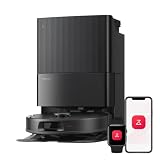
- 𝗔𝗹𝗹-𝗶𝗻-𝗢𝗻𝗲 𝗗𝗼𝗰𝗸 𝗳𝗼𝗿 𝗛𝗮𝗻𝗱𝘀-𝗙𝗿𝗲𝗲 𝗖𝗹𝗲𝗮𝗻𝗶𝗻𝗴 - The upgraded dock automatically empties dust into a sealed 2.7L bag that lasts 7–9 weeks, while 167℉ high-temperature self-cleaning helps refresh the mops after each use and 113℉ warm air drying keeps them ready for the next clean, making everyday floor care effortless for busy and pet-friendly homes
- 𝟭𝟴,𝟱𝟬𝟬 𝗣𝗮 𝗣𝗼𝘄𝗲𝗿𝗳𝘂𝗹 𝗦𝘂𝗰𝘁𝗶𝗼𝗻 - Engineered for strong everyday cleaning performance, the robot delivers powerful suction to effortlessly lift dust, crumbs, cat litter, stubborn debris, and pet hair from hard floors, carpets, and corners, helping keep every room fresh and spotless with less effort
- 𝗔𝗻𝘁𝗶-𝗧𝗮𝗻𝗴𝗹𝗲 𝗦𝘆𝘀𝘁𝗲𝗺 𝗳𝗼𝗿 𝗣𝗲𝘁 𝗛𝗼𝗺𝗲𝘀 - Built for homes with pets and long hair, the zero-tangle side brush, all rubber main brush, and easy-to-clean omnidirectional wheel help reduce hair wrap and simplify maintenance, making daily cleanup easier and less time-consuming
- 𝗦𝗺𝗮𝗿𝘁 𝗠𝗼𝗽𝗽𝗶𝗻𝗴 𝗳𝗼𝗿 𝗗𝗮𝗶𝗹𝘆 𝗦𝘁𝗮𝗶𝗻𝘀 - From kitchen splashes and cereal crumbs to pet paw prints and everyday footprints, the advanced dual mop system tackles daily messes with ease while adjusting water flow for cleaner, fresher floors throughout your home
- 𝗢𝗯𝘀𝘁𝗮𝗰𝗹𝗲 𝗔𝘃𝗼𝗶𝗱𝗮𝗻𝗰𝗲 & 𝟯.𝟴 𝗶𝗻 𝗟𝗼𝘄-𝗣𝗿𝗼𝗳𝗶𝗹𝗲 𝗖𝗹𝗲𝗮𝗻𝗶𝗻𝗴 - Powered by smart obstacle detection, the robot precisely avoids shoes, toys, and furniture legs while gliding smoothly under beds and sofas to clean hidden dust in low-clearance spaces for more complete coverage

- 𝟳𝟬 𝗗𝗮𝘆𝘀 𝗼𝗳 𝗛𝗮𝗻𝗱𝘀-𝗙𝗿𝗲𝗲 𝗖𝗹𝗲𝗮𝗻𝗶𝗻𝗴 - Enjoy ultimate convenience with the self-emptying station. The large 2.7L dust bag provides up to 70 Days of maintenance-free cleaning, perfect for busy households and pet owners.
- 𝟭𝟬,𝟬𝟬𝟬 𝗣𝗮 𝗛𝘆𝗽𝗲𝗿𝗙𝗼𝗿𝗰𝗲 𝗦𝘂𝗰𝘁𝗶𝗼𝗻 - With an impressive 10,000 Pa suction, it effortlessly lifts embedded pet hair, crumbs, and debris from carpets, hardwood floors, and crevices.
- 𝗗𝘂𝗮𝗹 𝗔𝗻𝘁𝗶-𝗧𝗮𝗻𝗴𝗹𝗲 𝗦𝘆𝘀𝘁𝗲𝗺 – Equipped with a JawScrapers Comb main brush and a specialized anti-tangle side brush, this innovative system minimizes hair tangling, ensuring smoother performance and reducing the need for frequent maintenance.
- 𝗩𝗶𝗯𝗿𝗮𝗥𝗶𝘀𝗲 𝟮.𝟬 𝗠𝗼𝗽𝗽𝗶𝗻𝗴 𝗦𝘆𝘀𝘁𝗲𝗺 - Experience the power of dual-zone sonic vibration technology, with scrubbing up to 3000 times per minute to remove all stains and mess, leaving your floors spotless. It lifts up to 8mm on carpets for seamless transitions. You can freely select different mopping modes on the app to clean your home.
- 𝗦𝗺𝗮𝗿𝘁 𝗖𝗮𝗿𝗽𝗲𝘁 𝗖𝗮𝗿𝗲 𝘄𝗶𝘁𝗵 𝗨𝗹𝘁𝗿𝗮𝘀𝗼𝗻𝗶𝗰 𝗗𝗲𝘁𝗲𝗰𝘁𝗶𝗼𝗻 - Intelligently identifies carpets and lifts mopping modules to avoid wetting, while automatically increasing suction power for deeper cleaning. This ensures effective dirt removal and a cleaner home without compromising delicate surfaces.

- HIGH SUCTION POWER: Shark's powerful suction captures dirt, debris, and pet hair across all surfaces—carpets and hard floors alike—making this robot vacuum the ultimate solution for deep, everyday cleaning.
- MATRIX CLEAN ROBOT VACUUM: Matrix Clean uses a precision grid pattern to take multiple passes over messes, ensuring complete whole-home coverage and delivering a visibly deeper clean, every time.
- SELF-EMPTYING FOR 60 DAYS: The bagless base holds up to 60 days of dirt and debris—no disposal bags needed. Enjoy a self-emptying robot vacuum cleaner built for long-lasting convenience.
- PERFECT FOR HOMES WITH PETS: Designed for pet owners, this robot vacuum combines strong suction, a self-cleaning brushroll, and a bagless self-empty base to tackle fur and allergens with ease.
- RECHARGE & RESUME: Up to 90 minutes of runtime. When the battery runs low, your Shark robot returns to the dock, recharges, and resumes where it left off—delivering uninterrupted robotic vacuum coverage.

- Fits Pet Owners and Hard Floors: With a tangle-free suction port, V2 robot vacuum focuses on picking up hair without tangle; It also tackles dirt, crumbs and debris effectively on hardwood, tile, laminate, stone and low pile carpet
- Ultra-Slim Design: The 2.99-inch low profile allows the V2 robot vacuum cleaner to easily clean under beds, sofas, and other furniture
- Friendly Remote Control: The V2 vacuum robot equipped a physical remote control, no Wi-Fi connection is required for operation. Start cleaning easily via the remote or one-touch button, simple to operate for all family members
- Multiple Cleaning Modes: The V2 robot vacuum cleaner features multiple cleaning modes including auto clean, spot clean, and edge clean for thorough coverage
- Schedule Cleaning & Automatic Charging: V2 vacuum robot can run routine cleaning automatically based on preset schedule, it cleans up to 120 minutes on a single charge and automatically returns to the charging dock when the battery is low

- INCREDIBLE SUCTION: Powerful Shark suction picks up dirt and debris on all floor types—tackling even the toughest of messes in your home.
- NO SPOTS MISSED: With Matrix Clean Navigation, the vacuum cleans in a precise matrix grid taking multiple passes over dirt and debris for whole home, deep cleaning coverage.
- IT EMPTIES ITSELF: The bagless, self-emptying base holds up to 30 days of dirt and debris while its true HEPA filtration captures and traps 99.97%* of dust and allergens (*down to .3 microns).
- PRECISION HOME MAPPING: 360° LiDAR vision quickly and accurately maps your home so your robot can methodically clean detecting and avoiding objects in its path, day or night, adapting to everyday changes in the home.
- PERFECT FOR HOMES WITH PETS: With powerful vacuum suction, Shark’s self-cleaning brushroll, and HEPA filtration system the robot captures pet hair, dust, dander and allergens with ease.
The Impact on Your Cleaning Routine
The issues outlined above translate directly into inefficiencies and added effort for you.
- Increased Cleaning Time: What should be a quick vacuuming session can extend due to the necessary brush roll cleaning.
- Inconsistent Results: Areas with heavy hair accumulation may not be thoroughly cleaned if the brush roll is compromised, leading to the need for re-cleaning.
- Frustration: The repetitive nature of de-tangling can be a source of ongoing frustration, transforming a necessary chore into an irritating one.
How Robot Vacuums Are Changing the Game
Robot vacuums, initially prone to the same hair-related issues as their manual counterparts, have undergone significant design and technological advancements. These developments specifically target the entanglement problem, offering you a more automated and less maintenance-intensive cleaning experience.
Main Brush Design Innovations
The core of a robot vacuum’s hair-handling capability lies in its main brush system. Manufacturers have explored several approaches to minimize entanglement.
- Tangle-Free Brush Rolls: Some models feature brush rolls with fewer bristles or a different bristle material, designed to allow hair to pass through more easily into the dustbin instead of wrapping around the brush. These often incorporate silicone or rubberized fins in addition to or instead of traditional bristles.
- V-Shaped Bristle Patterns: Brushes with V-shaped bristle patterns are designed to guide hair towards the center of the brush, where it can be more easily suctioned into the dustbin, rather than allowing it to wrap uniformly across the entire length of the brush.
- Self-Cleaning Brush Rolls: A more advanced feature, though less common, involves small combs or blades integrated into the vacuum alongside the brush roll. These components are designed to automatically cut or dislodge hair as it collects, preventing significant entanglement.
Enhanced Suction Power
While not solely a hair-specific feature, increased suction power plays a crucial role in dealing with hair.
- Direct Hair Uptake: Higher suction allows more hair to be directly pulled into the dustbin without first making significant contact with the brush roll, thereby reducing potential entanglement.
- Improved Debris Collection: A stronger airflow ensures that any hair dislodged by the brush is effectively transported into the dustbin, minimizing the chances of it remaining on the floor or settling back down.
- Dealing with Embedded Hair: Particularly on carpets, embedded hair requires robust suction to lift it from the fibers, even if a brush has agitated it.
Specialized Side Brushes
Side brushes, designed to sweep debris from edges and corners into the path of the main brush, are also susceptible to hair entanglement.
- Detachable and Replaceable Side Brushes: Many robot vacuums now feature easily removable side brushes, allowing for quick cleaning or replacement if they become overly tangled or worn.
- Anti-Tangle Side Brush Designs: Some manufacturers use specific materials or designs for side brushes that are less prone to hair wrapping, such as silicone or flexible rubber arms.
Advanced Filtration Systems
While not directly preventing tangles, an effective filtration system ensures that airborne hair particles and allergens are captured, contributing to overall indoor air quality.
- HEPA-style Filters: These filters are capable of trapping small particles, including pet dander and fine hair fragments, preventing them from being recirculated into your home’s air.
- Multi-Layer Filtration: Robot vacuums often incorporate multiple layers of filtration, designed to capture different sizes of particles, ensuring a cleaner exhaust.
Key Features to Look for in a Hair-Friendly Robot Vacuum

When you are in the market for a robot vacuum specifically designed to tackle hair, there are several key specifications and features you should prioritize. These elements will significantly influence the vacuum’s performance and your overall satisfaction.
Brush Roll Design is Paramount
This is arguably the most critical component for hair management.
- Bristle-less or Hybrid Brush Rolls: Prioritize models that utilize an all-rubber or rubberized fin brush roll. These designs are significantly less prone to hair wrapping compared to traditional bristle brushes. If a hybrid (bristles and rubber) brush is used, ensure the bristles are sparse and designed for easy hair release.
- Self-Cleaning Features: Some high-end models incorporate mechanisms that actively cut or comb hair from the brush roll. While not ubiquitous, this feature can be a considerable advantage if you have severe hair accumulation.
- Easy Access Brush Roll: Regardless of the design, the brush roll should be easily removable without tools. This facilitates the occasional maintenance that may still be required, even with advanced anti-tangle designs. Look for quick-release clips or latches.
Suction Power Specifications
While raw suction numbers (measured in Pa – Pascals) aren’t the only indicator of cleaning performance, they are important for hair.
- Higher Pa Ratings: Aim for robot vacuums with higher suction power, generally upwards of 2000 Pa, and ideally 3000 Pa or more for homes with significant pet hair or long human hair. This ensures that lighter hair strands are pulled directly into the dustbin.
- Multiple Suction Modes: Robots with adjustable suction modes allow you to increase power for areas with high hair concentration or to conserve battery on lighter cleaning tasks.
Dustbin Capacity and Design
Hair occupies volume, so the dustbin needs to accommodate it without requiring constant emptying.
- Large Dustbin Capacity: Look for models with a dustbin capacity of at least 400ml, and ideally 500ml or more. This allows the robot to collect a substantial amount of hair and other debris before needing to be emptied, reducing interaction for you.
- Easy-to-Empty Design: The dustbin should be simple to remove and empty, preferably without creating a cloud of dust or requiring you to reach inside to pull out compacted hair. Clamshell designs that open fully are often preferred.
- Self-Emptying Docks: For the ultimate hands-off experience, consider models with a self-emptying dock. These stations automatically transfer the robot’s collected debris into a larger, sealed bag or container, often holding weeks or even months of dirt and hair. This significantly reduces your interaction with collected hair.
Navigation and Mapping Capabilities
Efficient navigation ensures the robot covers all areas, including those where hair tends to accumulate.
- Lidar or VSLAM Navigation: These advanced navigation systems (Light Detection and Ranging, Visual Simultaneous Localization and Mapping) create accurate maps of your home. This allows the robot to clean systematically, avoid missed spots, and efficiently navigate around obstacles, including furniture where hair often gathers.
- No-Go Zones/Virtual Walls: The ability to set virtual barriers or no-go zones is beneficial. You can prevent the robot from entering areas where it might get stuck on cords, or even areas that are less prone to hair and therefore don’t need as frequent cleaning.
- Multi-Floor Mapping: If your home has multiple levels, look for a robot that can store maps for each floor, allowing you to move it between levels without requiring it to remap every time.
Maintenance Considerations
Even with the best anti-tangle designs, some maintenance is inevitable.
- Tool-Free Component Removal: Essential components like the main brush, side brushes, and filters should be easily removable for cleaning or replacement without special tools.
- Filter Cleanliness: Ensure the filters are washable or easily replaceable. Hair can contribute to filter clogging, reducing suction, so regular filter maintenance is key.
- App-Based Maintenance Reminders: Many robot vacuum apps provide reminders for when filters or brushes need cleaning or replacement, helping you stay on top of maintenance.
By carefully evaluating these features, you can select a robot vacuum that is genuinely equipped to handle the challenges of tangled hair, reducing your manual intervention and contributing to a consistently cleaner home.
Understanding Different Types of Hair-Friendly Brush Rolls

The brush roll is the primary interface between the robot vacuum and your floor, and its design is pivotal in determining how well it handles hair. You need to distinguish between the various types to make an informed decision.
Traditional Bristle Brushes
- Description: These are the classic vacuum brush rolls, featuring rows of nylon or synthetic bristles. They are effective at agitating carpets and dislodging embedded dirt.
- Hair Performance: Poor. Hair readily wraps around these bristles, and extracting it can be a tedious process. They are the most susceptible to becoming severely tangled.
- Best For: Households with minimal hair, primarily hard floors with light debris, or those prioritizing deep carpet cleaning over hair management.
Rubberized Fin Brushes
- Description: Also known as “tangle-free” or “multi-surface rubber” brushes. These brushes replace traditional bristles with flexible rubber or silicone fins arranged in various patterns (often helical or V-shaped).
- Hair Performance: Significantly better. Hair tends to slide off or pass over these fins into the dustbin rather than wrapping around them. If some hair does wrap, it’s generally much easier to remove due to the smooth surface.
- Best For: Households with long human hair, pet hair, or a mix of hard floors and low-pile carpets. This is often the preferred choice for hair-prone environments.
Hybrid Bristle and Rubber Brushes
- Description: These combine elements of both traditional bristle brushes and rubberized fin brushes. They typically feature alternating sections of bristles and rubber fins.
- Hair Performance: Better than pure bristle brushes but potentially less effective than pure rubberized fin brushes for extreme hair volumes. The bristles can still catch some hair, though the design aims to reduce overall entanglement.
- Best For: Homes with a mix of carpet types (including some medium-pile carpet where bristles may offer better agitation) and moderate hair accumulation. Offers a balance of carpet agitation and hair resistance.
Self-Cleaning Brush Rolls (Advanced Feature)
- Description: This feature involves the robot actively cleaning its own main brush roll. This can be achieved through small combs that dislodge hair, or, in more advanced systems, a mechanism that cuts hair as it wraps.
- Hair Performance: Excellent. This technology aims to automate the most irritating part of brush roll maintenance. It minimizes the need for you to manually de-tangle.
- Best For: Users who desire the absolute minimum interaction with collected hair, particularly those with multiple long-haired pets or individuals in the home. Typically found in premium models.
When making your selection, you should prioritize models with rubberized fin brushes or hybrid brushes that predominantly feature rubber components, especially if hair is a significant issue in your home. For the ultimate convenience, investigate models with self-cleaning brush rolls.
If you’re on the hunt for the best robot vacuum for long hair no tangles, you might find it helpful to explore a related article that discusses various options tailored for pet owners and those with long hair. These vacuums are designed with advanced technology to prevent hair from wrapping around the brushes, ensuring a hassle-free cleaning experience. For more insights on the latest trends and recommendations, check out this informative piece that highlights the top choices available today. You can read it here: top 10 best Black Friday TV deals.Integrating Your Robot Vacuum into Your Home
| Robot Vacuum Model | Long Hair Tangle-Free Feature | Price | Customer Rating |
|---|---|---|---|
| iRobot Roomba 675 | High-Efficiency Filter | 249.99 | 4.5/5 |
| Eufy RoboVac 11S | Anti-Tangle Technology | 229.99 | 4.4/5 |
| Shark IQ Robot Vacuum | Self-Cleaning Brushroll | 349.99 | 4.6/5 |
Acquiring a hair-friendly robot vacuum is only one step; effectively integrating it into your home environment is crucial for optimal performance and minimal frustration. You will need to consider placement, scheduling, and obstacle management to maximize its benefits.
Strategic Docking Station Placement
The location of your robot vacuum’s charging dock can influence its efficiency and your user experience.
- Central Location: Ideally, place the dock in a central, easily accessible area of your home. This allows the robot to reach all areas without excessive travel distances, saving battery life.
- Clearance: Ensure there’s adequate clearance around the dock. Most robots require at least 1.5-2 feet of clear space to each side and in front of the dock to navigate reliably.
- Hard Surface: If possible, place the dock on a hard floor rather than thick carpet. This provides a stable base and prevents the robot from struggling to climb onto the carpet when returning to charge.
- Avoid Obstructions: Do not place the dock in direct sunlight, behind curtains, or near heat sources like radiators. These can interfere with the robot’s navigation sensors.
Optimized Cleaning Schedules
Harnessing the automation capabilities of your robot vacuum is key to keeping hair at bay consistently.
- Frequent Cleaning: For homes with significant hair, daily cleaning is often recommended. This prevents large accumulations of hair that can overwhelm even the best anti-tangle systems. You can schedule the robot to clean while you are away from home.
- Zone Cleaning: Utilize specific zone cleaning features if your robot has them. You can direct the robot to frequently clean high-traffic areas or spots where hair tends to gather, such as around pet beds or in bathrooms.
- Off-Peak Hours: Schedule cleaning during times when you are not actively using your home (e.g., during work hours, overnight). This minimizes disruption and allows the robot to work unimpeded.
Proactive Obstacle Management
Even the most advanced robot vacuums can encounter issues with overlooked obstacles. A little preparation on your part can avoid frequent interventions.
- Clear the Floor: Before a scheduled cleaning, quickly scan your floors for common obstacles.
- Cords and Cables: These are notorious for entanglement. Use cable ties, cable management sleeves, or move them out of the robot’s path.
- Small Rugs/Mats: Thin or lightweight rugs can be bunched up or become obstacles. Consider temporarily moving them or using rug grippers.
- Pet Toys: Small items like dog ropes or cat toys can get caught in the brush roll.
- Loose Clothing/Socks: These can easily choke a robot vacuum.
- Utilize No-Go Zones/Virtual Walls: If your robot supports virtual barriers, use them to section off areas that are consistently problematic (e.g., intricate furniture legs, areas with many small items) or to protect delicate items.
- Entryway Mats: Entryway mats can sometimes be problematic for robot vacuums, especially if they have fringes or are very thick. You might need to adjust their placement or temporarily remove them.
By carefully considering these aspects of integration, you will ensure your robot vacuum operates at its peak efficiency, effectively managing hair and reducing your cleaning burden without constant supervision or troubleshooting.