The Uphill Battle: Selecting Your E-Bike Brakes for a Gracious Descent
You’ve got your e-bike, a marvel of modern engineering designed to conquer your daily commute with ease. But as you eye those inclines and imagine the exhilarating descents, a crucial question arises: how will you stop safely and effectively? For the intrepid commuter facing hilly terrain, the choice of braking system is paramount. It’s not just about slowing down; it’s about controlled power, unwavering reliability, and ultimately, your confidence on two wheels. You’re likely weighing the options between hydraulic and mechanical disc brakes, and the stakes are high when gravity is your constant companion. This isn’t a decision to be made lightly; it’s about ensuring your e-bike, a significant investment, performs optimally when you need it most.
Your e-bike’s braking system is the unsung hero of your ride. While the motor provides the boost to get you up those hills, it’s the brakes that grant you the control and security on the way down. For those who navigate a landscape punctuated by significant gradients, the difference between a smooth, controlled stop and a heart-stopping panic maneuver can be stark. You want a braking system that inspires confidence, that responds instantly to your commands, and that can handle the increased forces generated by a heavier, faster-moving e-bike, especially when descending steep gradients. This is where the nuanced differences between hydraulic and mechanical disc brakes truly come into play, and understanding these distinctions will empower you to make the best choice for your specific needs.
When considering the best braking system for your e-bike, especially for hilly commutes, it’s essential to understand the differences between hydraulic and mechanical brakes. For further insights into outdoor gear that can enhance your adventures, you might find the article on the top canoes of 2016 interesting. It discusses various options that can complement your biking experience, whether you’re navigating hills or enjoying a day on the water. You can read more about it in this article.
Understanding the Mechanics: How Your Brakes Work
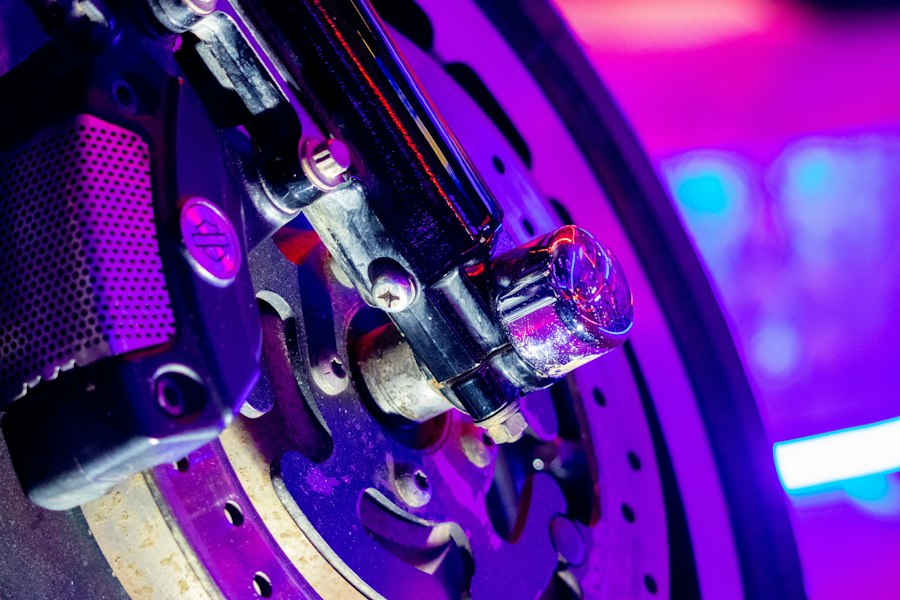
Before you can choose the right brakes, it’s essential to understand the fundamental principles behind them. Both hydraulic and mechanical disc brakes operate on the same basic concept: applying friction to a rotor attached to your wheel to slow its rotation. The primary difference lies in how the force from your brake lever is transmitted to the brake pads. This distinction has significant implications for performance, maintenance, and cost. You’ll want to delve into the inner workings to appreciate the nuances that will ultimately affect your ride experience.
Mechanical Disc Brakes: The Cable-Driven Simplicity
Mechanical disc brakes, at their core, rely on a steel cable to transfer the force from your brake lever to the brake caliper. When you pull the lever, it actuates a cam mechanism within the caliper. This cam then pushes one or both brake pads inward, clamping down on the disc rotor. Think of it like the brake system on a traditional bicycle, but with a disc rotor instead of a rim. This cable-driven system has its advantages, primarily its straightforward design and ease of maintenance. For many, the accessibility of this system is a major draw.
- How the Force is Transferred: Your brake lever is connected to a cable, much like those found on older rim brake systems or derailleur gears. Pulling the lever tightens the cable, which in turn moves a lever arm or cam within the brake caliper. This mechanism then forces the brake pads against the rotor.
- Actuation Mechanism: The caliper houses a mechanism, often a cam or a wedge, that translates the linear pull of the cable into the outward force on the brake pads. The design of this mechanism can vary, affecting the feel and power of the brake.
- Components: You’ll find a brake lever, a brake cable, cable housing, a brake caliper, brake pads, and a rotor. Each of these components plays a vital role in the overall stopping power.

- 1000W Motor & Upgraded Display: The EB5 electric bike equipped with a 1500 W peak motor, boosted a top speed of 20 MPH. The display panel has adjustable backlight brightness from 1-5 levels. In addition, the upgraded LCD Display provides riding data support, such as ODO/MAX/AVG SPEED, PAS mode can be customized up to 3 modes
- Removable Large Battery: The EB5 e-bike is equipped with a 360 Wh battery, which covers a range of up to 25-40 miles per charge for 5-6 hours so that it can meet travel or daily commute needs. Removable battery makes charging more convenient whether you are at home or in the office
- Removable Large Battery: The EB5 e-bike is equipped with a 360 Wh battery, which covers a range of up to 25-40 miles per charge for 5-6 hours so that it can meet travel or daily commute needs. Removable battery makes charging more convenient whether you are at home or in the office
- Removable Large Battery: The EB5 e-bike is equipped with a 360 Wh battery, which covers a range of up to 25-40 miles per charge for 5-6 hours so that it can meet travel or daily commute needs. Removable battery makes charging more convenient whether you are at home or in the office
- Minimalist Appearance & Lightweight Frame: A highly efficient, city style affordable electric bicycle offering minimalist and sleek appearance and only weighs 49.6 lbs. The triangular high-carbon steel frame provides more stability

- See and Be Seen: The large front headlight with horn improves visibility and daily convenience, while the rear light supports night riding and high-brightness brake alerts for low-light roads.
- Get Riding Faster: RetroVolt 330 arrives 85% pre-installed, with major parts already in place. Spend less time on setup and get ready for your first ride sooner.
- Use One E-Bike for More Routes: This moped-style ebike for adults brings a beach cruiser feel to work commutes, campus rides, coffee runs, beach roads, weekend outings, and relaxed rides with friends.

- 3500W Peak Power & 220Nm Torque** - Unleashes rapid acceleration and conquers 35° off-road climbs with ease. Reaches 38-46mph top speed in seconds, delivering dirt bike-level performance for adult thrill-seekers.
- 53-Mile Range & 48V 23Ah Battery** - High-capacity lithium battery supports continuous trail riding. Fast 6-hour full charge gets you back on the road overnight. Battery management system prevents overheat, overcharge, and short circuits.
- Nitrogen-Filled Technology** - Prevents hydraulic oil from forming bubbles (cavitation) under high temperatures or continuous jolts, ensuring shock absorption performance remains unaffected after 5 hours of high-intensity off-road driving.Compared to conventional hydraulic dampers, it maintains 90% of performance during continuous use, preventing loss of control due to shock failure.
- Dual Hydraulic Disc Brakes & Steel Frame** - Large front and rear brake discs deliver consistent stopping power in mud, water, and sand. Reinforced steel frame supports up to 265 lbs while maintaining agile handling.
- TUV Certified & 1-Year Warranty** - Meets strict safety standards for electric bicycles. Easy assemble with tools included. US-based customer support and replacement parts available nationwide.

- High-Performance Motor: Inspired by true motocross, the IN10 electric dirt bike’s 2600W peak mid-drive motor crushes hills and trails with ease. This torque-packed beast conquers slopes up to 30° and rockets to 40 mph the moment you twist the throttle. Adventure is calling—ready to own the dirt?
- Ultimate Battery Safety: The IN10 e dirt bike features an advanced BMS system that safeguards every charge and every ride. Its removable, long-range battery delivers up to 53 miles of range—powering extended adventures with confidence and ease.
- Premium Full Suspension: Rear nitrogen shock delivers faster response, smoother comfort, and long-lasting durability. Paired with a 220mm-travel front hydraulic fork, the IN10 ebike maintains stable, consistent damping—even through long, demanding rides.
- Reliable Stop System: IN10 electric bike’s braking setup pairs advanced EABS with hydraulic disc brakes for powerful, precise stopping. Even on dusty or muddy terrain, it delivers stronger braking force and smoother control—keeping every ride confident and steady.
- Note: Before riding, please ensure that the brakes/wheels and other devices of the IN10 ebike are installed correctly. Before purchasing, check the local legal age or license requirements to ensure legal use. Teens should operate the bike only under adult supervision and must follow all local safety regulations.

- Climb with Less Effort: 2000W peak output and 99Nm torque help this electric bike deliver confident starts, hill support, and smooth assist for city streets, neighborhood roads, and mixed daily routes.
- Ride Longer Between Charges: The 48V 15Ah removable battery supports up to 70 miles of range for this electric bicycle, covering daily commutes, errands, and weekend rides. Built with UL-certified battery safety protection and water-resistant design, it recharges fully in about 5-6 hours.
- Stay Comfortable on More Roads: This fat tire electric bike uses 20 x 4.0 fat tires and dual suspension to help improve grip, comfort, and stability on pavement, gravel paths, park roads, beach routes, and uneven streets.
- Carry More for Daily Plans: The rear seat pad supports short passenger trips, weekend rides with friends, errands, and cargo. With a 330 lb payload capacity and rider fit from 5.4" in to 6.3", RetroVolt 330 is built for shared daily use.
- Choose the Ride That Fits: Five riding modes and a 7-speed drivetrain let you adjust the ride for commuting, cruising, light outdoor routes, or pedal-assisted exercise without making the bike feel complicated.

- 【Excellent Motor Performance】This electric bike is equipped with a high-performance 750W rated motor(1500W peak power) with 2 to 3 speed settings, capable of meeting your daily commuting and off-road riding needs—so you never have to worry about speed
- 【Upgraded Removable Battery】 Powered by a 48V 15Ah removable battery, the ebike can be fully charged in just 6-7 hours and can ride up to 60 miles on a full charge (PAS mode). Depending on weight, the electric dirt bike can ride up to 40 miles in throttle mode and 50-60 miles in PAS mode, making long rides less of a challenge with its impressive range. The removable battery is safe and anti-theft, so you can charge it at home or outdoors without worry
- 【Comfortable Riding Experience】 This fat tire electric bike is equipped with front and rear suspension system, which absorbs most of the bumps and vibrations during riding, providing a more comfortable riding experience and reducing body fatigue.20"x 4" puncture-proof snow tires for electric motorcycle provide a stronger grip, ensuring the vehicle's stability and easily handle any adventure
- 【Safety First】 The electric bike for adults high-brightness front light greatly improves driving visibility, allowing you to see the road clearly even at night. The front and rear mechanical disc brakes are designed to provide controlled braking under normal operating conditions. Riders must inspect and adjust the brakes before the first ride and before each subsequent ride
- 【Personalized Riding】 This ebikes for adults is equipped with professional 7-speed gears and 3 working modes, which can be changed according to different terrains, and can easily pass through city streets, rugged mountains and beaches. The LCD display allows you to easily keep track of your ride data, such as current speed, distance and battery level, so you can customize a ride based on this information

- High Voltage Power System: Features a 60V electrical system delivering robust performance for off-road recreational riding on private property and designated areas
- Large Capacity Battery: Equipped with a 60V 20.8Ah lithium-ion battery providing extended riding time for teens and adults on dirt trails and uneven terrain
- Powerful Motor Output: Brushless motor with 3000W peak power output capable of reaching maximum speeds of approximately 34 mph depending on rider weight and terrain conditions
- High Torque Performance: Delivers 200Nm of torque through the mid-drive motor system for responsive acceleration and hill-climbing capability on off-road trails
- Safety Certifications: Meets SGS report certificate and UL standard requirements, ensuring quality manufacturing standards for electric recreational vehicles

- 【UL Safety Certification & Dual Disc Brakes】All core components of this electric bike for adults—including the battery pack, motor, and controller—have passed (UL 2849/2271/2238) certification. Dual mechanical disc brakes provide reliable braking performance on all road surfaces. The high-strength carbon steel frame enhances the bike’s rigidity and stability, ensuring peace of mind on every ride
- 【20" All-Terrain Wide Tires & Suspension System】Equipped with 20" X 4.0" thick, wide, treaded all-terrain tires, the front and rear suspension systems absorb bumps, making the ride smoother on rough terrain. This Electric Dirt Bike lets you navigate city streets for commuting and daily errands, while also effortlessly handling outdoor off-road conditions such as mountain trails, gravel, snow, and steep slopes
- 【3 Riding Modes & 7-Speed Transmission】Ride Your Way—Choose from pure electric, pedal-assist, or manual modes to suit your daily fitness needs. Combined with 7-speed gearing, it precisely adapts to different riding requirements. It effortlessly handles uphill climbs, flat terrain, and rough roads, offering simple and convenient operation so you always get just the right balance of power and efficiency
- 【Smart LCD Display】This electric bike features a high-definition smart LCD display with a clear, intuitive interface that makes it easy to monitor your ride at a glance. While riding, you can view real-time data such as speed, battery level, PAS mode, and mileage. Simple and intuitive, it’s designed to keep you informed at all times
- 【12-Month Warranty and Easy Assembly】This electric bicycle comes 90% pre-assembled from the factory. Please follow the step-by-step video guide; the entire assembly process is simple and convenient. The product comes with a 12-month warranty and access to a technical support team that responds within 24 hours, allowing you to embark on your riding experience with confidence and peace of mind

- 3500W Peak Power & 220Nm Torque** - Unleashes rapid acceleration and conquers 35° off-road climbs with ease. Reaches 38-46mph top speed in seconds, delivering dirt bike-level performance for adult thrill-seekers.
- 53-Mile Range & 48V 23Ah Battery** - High-capacity lithium battery supports continuous trail riding. Fast 6-hour full charge gets you back on the road overnight. Battery management system prevents overheat, overcharge, and short circuits.
- Nitrogen-Filled Technology** - Prevents hydraulic oil from forming bubbles (cavitation) under high temperatures or continuous jolts, ensuring shock absorption performance remains unaffected after 5 hours of high-intensity off-road driving.Compared to conventional hydraulic dampers, it maintains 90% of performance during continuous use, preventing loss of control due to shock failure.
- Dual Hydraulic Disc Brakes & Steel Frame** - Large front and rear brake discs deliver consistent stopping power in mud, water, and sand. Reinforced steel frame supports up to 265 lbs while maintaining agile handling.
- TUV Certified & 1-Year Warranty** - Meets strict safety standards for electric bicycles. Easy assemble with tools included. US-based customer support and replacement parts available nationwide.
Hydraulic Disc Brakes: The Fluid Advantage
Hydraulic disc brakes, on the other hand, employ a fluid to transmit force. When you squeeze the brake lever, it pushes a piston within the lever assembly, which in turn pressurizes a special mineral oil or DOT fluid within a sealed hose. This fluid then travels through the hose to the caliper, where it pushes pistons that force the brake pads against the rotor. This is a more sophisticated system, leveraging the principles of fluid dynamics to provide superior stopping power and modulation. You’ll feel the difference in lever feel and the sheer force they can generate.
- Fluid Dynamics in Action: The sealed system of hydraulic brakes uses incompressible fluid to transmit force. When you squeeze the lever, you’re pushing fluid, not stretching a cable. This means that the force you apply at the lever is directly and efficiently transferred to the caliper.
- The Role of Fluid: Mineral oil or DOT fluid is the lifeblood of a hydraulic system. Its properties, such as viscosity and compressibility, are critical for consistent performance. Different manufacturers use different types of fluid, and it’s important to maintain compatibility.
- Sealed System Benefits: The sealed nature of hydraulic systems protects the internal components from dirt, water, and grime, leading to more consistent performance and reduced maintenance needs. This is a significant advantage, especially in varied weather conditions.
Weighing the Performance Metrics: Stopping Power and Modulation
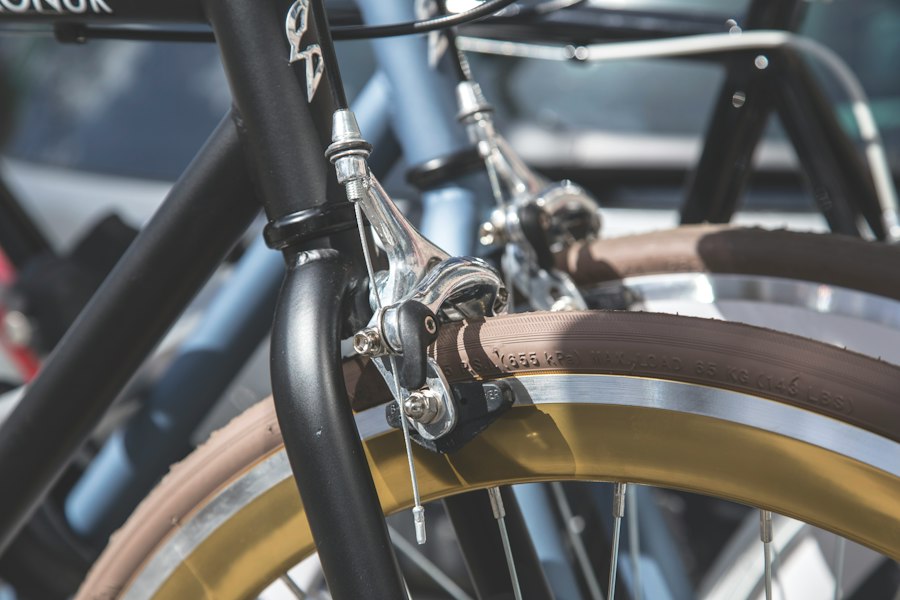
When you’re facing a steep descent on your e-bike, the ability to stop with authority and control is paramount. This is where the performance differences between hydraulic and mechanical disc brakes become most apparent. You’ll want to understand which system offers the stopping power you need and the finesse to handle tricky situations.
Stopping Power: The Raw Force You Need
Stopping power refers to the maximum braking force your system can generate. For e-bikes, especially those designed for hilly commutes, this is a critical factor. The added weight of the motor, battery, and rider, combined with the momentum of a descent, requires a robust braking solution. You want brakes that can bring you to a halt quickly and confidently, even when you’re carrying speed.
- Hydraulic Supremacy: Generally, hydraulic disc brakes offer superior stopping power. The fluid system allows for more efficient force transfer, meaning a smaller input at the lever can result in a larger output at the caliper. This translates to more immediate and powerful braking.
- Mechanical Limitations: While modern mechanical disc brakes have improved significantly, they can sometimes struggle to match the raw stopping power of their hydraulic counterparts, especially under extreme conditions. The flex in the cable and housing can also reduce the overall efficiency.
- E-bike Specifics: E-bikes are heavier than conventional bicycles. This increased mass requires more braking force to decelerate effectively. Therefore, for hilly e-bike commutes, the enhanced stopping power of hydraulics is often a significant advantage.
Modulation: The Art of Controlled Braking
Modulation refers to your ability to control the braking force incrementally. It’s not just about slamming on the brakes; it’s about being able to apply just the right amount of pressure for the situation. This is crucial for maintaining balance, navigating tight turns, and avoiding skids, especially on a downhill. You want to be able to feather your brakes, not just grab them.
- The Nuance of Hydraulics: Hydraulic systems excel in modulation. The smooth, progressive feel of the fluid allows for incredibly fine control over braking force. You can apply just a little bit of pressure for a gentle slowdown or squeeze harder for more aggressive stopping, all with predictable and consistent results.
- Mechanical Responsiveness: Mechanical brakes can offer decent modulation, but it can be more challenging to achieve the same level of finesse. The feel can sometimes be a bit more abrupt, and it might take more practice to develop that precise control.
- Trail Conditions: On loose gravel, wet roads, or unpredictable terrain, excellent modulation is vital. It allows you to avoid locking up your wheels and losing traction. For those who frequently encounter such conditions on their hilly commutes, hydraulics offer a distinct advantage.
The Maintenance Equation: Upkeep and Longevity
Your e-bike is an investment, and you want to keep it running smoothly for years to come. The maintenance requirements of your braking system are an important consideration, especially if you’re not a seasoned mechanic. You’ll want to factor in the time and effort you’re willing to put into upkeep.
Mechanical Simplicity and DIY Friendliness
Mechanical disc brakes are often lauded for their simplicity, which translates into ease of maintenance and repair. If you’re someone who enjoys tinkering with your bike or wants to be able to perform basic adjustments on the go, mechanical brakes might appeal to you. You can often fix minor issues with readily available tools.
- Cable Adjustments: Adjusting the tension of a mechanical brake cable is a straightforward process. You can usually do this with a small hex wrench to fine-tune the brake pad clearance.
- Pad Replacement: Replacing worn brake pads on a mechanical system is generally a simple task, often requiring just a few minutes and basic tools.
- Troubleshooting: Common issues like a stretched cable or a sticky caliper can often be addressed with basic lubrication or adjustment.
Hydraulic Demands: Fluid Flushes and Bleeding
Hydraulic disc brakes, while offering superior performance, generally require a bit more specialized maintenance. The sealed fluid system means that when it’s time for a service, it’s usually a bit more involved. This is not to say they are difficult to maintain, but it does require a different skillset and potentially specialized tools.
- Brake Bleeding: Over time, air can enter the hydraulic system, reducing braking performance. This requires a process called “bleeding” the brakes, which involves introducing fresh fluid and expelling any air. This can be done at home with a kit, but it’s often best left to a professional if you’re not comfortable.
- Fluid Type: Different hydraulic systems use either mineral oil or DOT fluid. It’s crucial to use the correct type of fluid, as using the wrong one can damage the seals within the system.
- Regular Checks: While they require less frequent maintenance than cable adjustments, it’s still important to check for fluid leaks and ensure the levers feel firm and responsive.
When considering the best braking system for your e-bike, especially for hilly commutes, it’s essential to understand the differences between hydraulic and mechanical brakes. A related article that provides insights into various bike accessories and their impact on performance can be found here: top 10 best Christmas fake books. This resource highlights how the right equipment can enhance your riding experience, making it easier to navigate challenging terrains.
Cost Considerations: Initial Investment vs. Long-Term Value
| Metric | Hydraulic Brakes | Mechanical Brakes | Relevance for Hilly Commute |
|---|---|---|---|
| Braking Power | High | Moderate | Hydraulic brakes provide stronger stopping power, essential for steep descents. |
| Modulation (Control) | Excellent | Good | Better modulation helps in precise braking on variable slopes. |
| Maintenance Frequency | Lower (requires occasional bleeding) | Higher (cable adjustments needed) | Hydraulic brakes need less frequent tuning, beneficial for daily commuters. |
| Weight | Typically lighter | Typically heavier | Lighter brakes reduce overall bike weight, aiding uphill climbs. |
| Cost | Higher | Lower | Mechanical brakes are more budget-friendly but may compromise performance. |
| Durability in Wet Conditions | Better | Moderate | Hydraulic systems perform more reliably in rain or mud. |
| Ease of Repair | More complex | Simple | Mechanical brakes are easier to fix on the go during commutes. |
The price tag of a braking system is a significant factor for most commuters. You’ll need to balance your budget with the performance and longevity you desire. While the upfront cost might be a deciding factor, it’s also worth considering the long-term value.
Mechanical Brakes: The Budget-Friendly Entry Point
Mechanical disc brakes are typically more affordable than their hydraulic counterparts. This makes them an attractive option for those on a tighter budget or for entry-level e-bikes. The lower cost of components and simpler manufacturing processes contribute to their more accessible price point.
- Lower Component Costs: Brake levers, cables, housing, and calipers for mechanical systems are generally less expensive than their hydraulic equivalents.
- Reduced Initial Bike Price: Many e-bikes that come equipped with mechanical disc brakes will have a lower overall retail price.
- DIY Savings: If you can perform your own maintenance, the cost savings on repairs can also be a benefit.
Hydraulic Brakes: The Performance Premium
Hydraulic disc brakes command a higher price point, both as aftermarket upgrades and as components on complete e-bikes. This premium reflects the advanced technology, superior performance, and often, more robust construction. However, for many, the enhanced braking experience justifies the added cost.
- Higher Component Prices: The sophisticated design and materials used in hydraulic systems contribute to their higher cost.
- Potential for Higher Bike Price: E-bikes equipped with hydraulic disc brakes will generally have a higher price tag.
- Long-Term Value: While the initial investment is greater, the superior performance, longevity, and reduced need for frequent minor adjustments can offer excellent long-term value, especially for demanding riding conditions.
Making Your Decision: Matching Brakes to Your Hilly Commute
The ultimate choice between hydraulic and mechanical disc brakes for your e-bike’s hilly commute boils down to a careful assessment of your personal priorities and riding habits. There’s no single “best” answer; it’s about finding the system that best suits your needs and preferences. Consider how you ride, what your commute entails, and what you expect from your braking system.
- For the Budget-Conscious Commuter: If you’re on a tight budget and your commute involves moderate hills, mechanical disc brakes can be a perfectly adequate and cost-effective solution. They offer good stopping power and are relatively easy to maintain. You can always upgrade later if your needs change.
- For the Performance-Oriented Rider: If you prioritize maximum stopping power, superior modulation, and a more refined braking feel, especially for frequent and steep descents, hydraulic disc brakes are likely the superior choice. They offer a confidence-inspiring level of control that can significantly enhance your riding experience and safety.
- For the DIY Enthusiast: If you enjoy working on your bike and prefer the simplicity of cable-actuated systems, mechanical brakes offer more opportunities for hands-on maintenance. However, if you’re willing to learn and invest in basic tools, hydraulic brake maintenance is also very manageable.
- For the All-Weather Warrior: If your commute takes you through varied weather conditions, including rain and mud, the sealed nature of hydraulic systems offers greater consistency and reliability. They are less susceptible to performance degradation due to environmental factors.
- Consider Your E-bike’s Intended Use: If your e-bike is designed for aggressive riding, touring, or has a higher power output, the increased demands on the braking system will strongly favor hydraulic brakes. A more recreational e-bike with less demanding inclines might be perfectly happy with good quality mechanical brakes.
Ultimately, your decision should be based on what will make your commute safer, more enjoyable, and more confidence-inspiring. Don’t underestimate the importance of your brakes; they are your direct line to control. By understanding the nuances of hydraulic and mechanical disc brakes, you are well-equipped to make an informed choice that will serve you well on every climb and every descent your hilly commute throws your way. You’re investing in peace of mind and a more capable ride.