
Capturing Your Adventures: The Solo Explorer’s Dilemma
Embarking on a solo outdoor trip is an unparalleled experience. It’s a journey of self-discovery, a communion with nature, and a chance to truly disconnect from the daily grind. But as you plan your escape, a crucial question arises: how will you document these incredible moments? In the age of advanced personal tech, two contenders stand out for capturing your solo exploits: the nimble drone and the rugged action camera. This isn’t just about choosing a gadget; it’s about deciding how you want to tell your story, the perspective you want to offer, and the memories you wish to preserve. You’re weighing the cinematic grandeur of aerial shots against the intimate, immersive view of a first-person perspective. Each has its strengths, its limitations, and its unique appeal, especially when you’re the only one holding the camera.
When you’re out there on your own, every piece of gear you carry matters. Weight, battery life, ease of use, and durability become paramount. You’re not just a traveler; you’re the photographer, the videographer, the director, and the star of your own production. This means your equipment needs to be an extension of your intent, not a hindrance. Will you meticulously plan each shot, or will you embrace the spontaneity of the moment? Your choice between a drone and an action camera will significantly influence how your solo adventure unfolds on film. Consider the terrain you’ll be traversing – vast open plains, dense forests, towering mountains, or serene waterways. Each environment presents its own set of challenges and opportunities for capturing breathtaking footage. Your personal comfort level with technology also plays a role. Are you a seasoned pilot, confident in navigating complex airspace, or do you prefer the simplicity of a point-and-shoot device? This comprehensive showdown aims to equip you with the knowledge to make the best decision for your next unforgettable solo outdoor trip.
When planning a solo outdoor trip, choosing the right equipment to capture your adventures is crucial. In the article “Drone vs Action Camera for Capturing a Solo Outdoor Trip,” various factors are discussed to help you decide which device best suits your needs. For further insights on outdoor gear, you might find the article on the top LED shoe clips helpful, as it highlights essential accessories for enhancing your outdoor experience. You can read it here: Top 10 Best LED Shoe Clips.
The Drone’s Grand Perspective: Soaring Above the Solitude
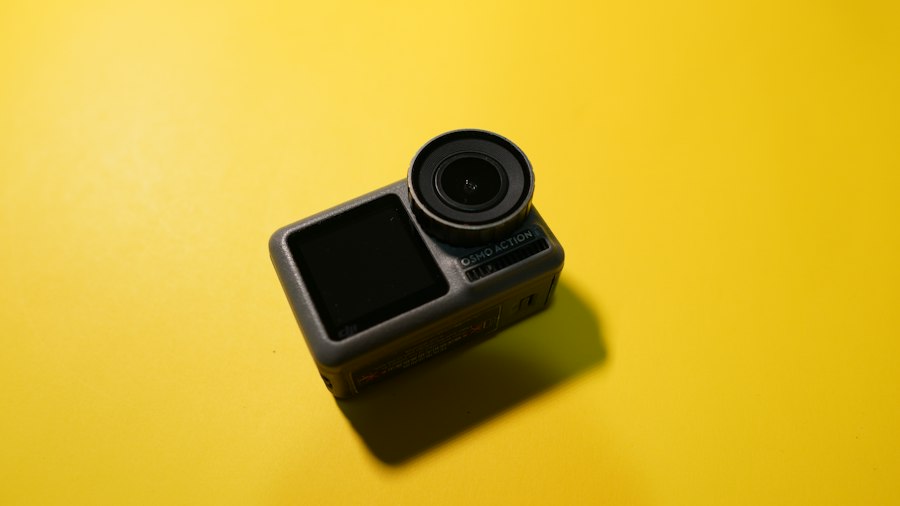
Imagine yourself standing atop a majestic peak, the world unfurling beneath you. A drone allows you to transcend your physical limitations, to capture that very panorama, not from your eye level, but from a bird’s-eye view. This elevated perspective offers a sense of scale and majesty that is simply unattainable with a handheld camera. For the solo explorer, a drone transforms your personal journey into an epic narrative, showcasing the vastness of the landscapes you conquer and the solitary beauty of your trek.
Unveiling the Cinematic Scope of Drones
The primary allure of a drone lies in its ability to deliver stunning aerial footage. You can capture sweeping vistas of canyons, winding rivers, dense forests, and expansive deserts from an entirely new vantage point. This isn’t just about showing where you are; it’s about conveying the feeling of awe and isolation that often accompanies solo adventures in grand natural settings. Think of those breathtaking shots you see in nature documentaries, where the camera glides effortlessly over mountains and valleys – a drone brings that capability directly to your fingertips.
Beyond broad landscapes, drones excel at establishing shots, providing context for your journey. A shot of you, a tiny figure on a winding trail, dwarfed by towering peaks, immediately communicates the scale of your endeavor. You can also get unique tracking shots, following yourself as you paddle a canoe across a tranquil lake or hike along a ridge. These dynamic movements add a professional sheen to your solo travel videos, making them far more engaging than static shots. For time-lapses, a drone can capture the sunrise painting a mountain range or the movement of clouds over a vast expanse, offering a truly magical perspective.

- 5.7K 360° Video: AKASO 360 action camera captures fully immersive 360° video in stunning 5.7K clarity, ensuring you never miss the action. Unleash your creativity to record your adventures like never before.
- 360° Supersmooth Video: Advanced in-app stabilization algorithms smooth out shakes and jitters in your action for silky smooth footage, even without a gimbal!
- 360° Horizon Steady: Unlock a new level of stabilization—360° Horizon Lock keeps your footage level all the time, no matter how you flip or spin.
- Invisible Selfie Stick Effect: Yes! You can create unbelievable third-person shots on your own! The selfie stick automatically disappears from your footage like magic. No photographer? No problem! Invisible Selfie Stick is included.
- Dual 1/2" 48MP Sensors: Equipped with two massive 1/2" 48MP sensors, AKASO 360 captures more pixels for sharper, clearer images, bringing your action to life.

- Superior Low-Light Performance with 1/1.3-inch Sensor - Struggling with grainy footage in low light? Osmo Action 4 action camera 4K uses 2.4μm pixel size for crisp results. Auto white balance adjusts color for true-to-life, flicker-free shots, even underwater.
- Pro-Grade Color Science - Worried your videos lack real-life colors? 10-bit color depth captures subtle shades, while D-Log M preserves more detail and dynamic range for professional editing later. Osmo Action 4 vlogging camera helps you enhance vibrant scenery.
- See More, Feel More - Want to capture more action and scenery? Shoot in 4K at 120fps with a 155° ultra-wide field of view. Minimal cropping means immersive FPV footage. Use it as a motorcycle camera or underwater camera and enjoy stunning sceneries!
- Cold-Resistant, Long-Lasting Battery - Tired of your travel camera dying in the cold? The 1770mAh battery lasts up to 150 minutes [6] and works in temps as low as -20°C (-4°F). Plus, with waterproofing up to 18m [3], DJI Osmo Action 4 is ready for outdoor adventures.
- Effortless Perspective Shifts - Frustrated by slow setup? The magnetic quick-release system lets you mount, switch angles, and go vertical in seconds [2]. The self-locking design keeps your action camera secure, so you can create without limits.

- Weighs only 56g, 38mmx38mmx36mm. Compatible with the mount base of Hero Session 5. Ultra-light 4K HD camera can now shoot 2.7K 60fps videos.
- Equipped with electronic image stabilization(EIS) chip and the built-in Sony IMX377 12MP high-performance image sensor, the RunCam 5 Orange offers smoother and higher quality videos.
- The upgraded CPU offers ultra-low power consumption. 4K recording time up to 105 minutes! 1080p/60fps up to 120minutes. Improves over 30% than Black.
- Special Design for FPV: The only bandwidth dynamic motion camera on the market. Sturdy lens protection design, small size, 145° wide angle view. Of course also a versatile small action camera.
- High Quality Image: 4K/30fps, 2.7K/50fps, 1080P/120fps, 60fps video output. Excellent WDR effect, ensuring high definition image even facing directly to the sunlight.

- World's First 8K@30fps Flying Action Camera: Capture stunning 8K@30fps videos with the HOVERAir X1 Promax Mini Camera Drone! 8K for the big screen, 4K vertical for the small screen no compromises. This pocket-sized mini action camera delivers cinematic-quality footage effortlessly for adventurers and content creators. Whether you're hiking, cycling, skiing or vlogging, its lightweight design and smart flight modes make every moment unforgettable. Your adventures, in 8K! (Horizontal: 8K@30fps, Vertical: 4K@30fps)
- App Control and Ample Internal Storage: The HOVERAir X1 app allows you to configure flight modes, download and share content, launch manual control, and much more! This action camera comes with 64GB internal storage and support external SD card of up to 1TB, giving you plenty of space for all your adventures
- Advanced SmoothCapture 2.0 Technology: This mini drone features a two-axis gimbal with EIS (electronic image stabilization) and HL (horizon leveling) for steadier shots and effortless filming during movement. The 107 FOV lens delivers action-packed moments with stunning visual impact
- Totally Handsfree Operation: The HOVERAir drone with camera takes off from your hand easily with just a simple click or voice command, with no need for a controller or smartphone. The fully automated flight modes allow you to stay focused on the action, just let the camera handle the filming
- Fly Anywhere, Anytime with OmniTerrain: The innovative OmniTerrain enables all-terrain flight, including snow, water, and cliffs. Just take it with you on every adventure and capture all the scenery. With over 10 flight modes like Hover, Zoom Out, Follow, and Dolly Track, you can capture footage any way you want

- 4K FPV&Ultra HD Action Camera: Experience stunning 4K clarity with the RunCam 6 Action Camera. Perfect for capturing your most thrilling footage in vivid detail, making every moment come alive as if you were there again.
- Sports Camera with WIFI & HDMI: With built-in Wi-Fi and dedicated iOS and Android apps, sharing your adventures has never been easier. Effortlessly connect your camera to your smartphone for quick uploads. HDMI Port allows you to connect it to a television.
- Support EIS and GyroFlow Stabilization: Equipped with a built-in gyroscope and EIS, the RunCam 7 ensures smooth, stable footage even in the most challenging conditions. Perfect for RC planes, rockets, RC cars, FPV drones, riding, and Outdoor activities, your videos will look professionally steady and clear.
- Versatile and User-Friendly Features: From adjustable FOV to support for remote control recording, this camera is designed with flexibility in mind. A removable battery, protective lens cover, and replaceable ND filter offer customization for every shoot, while the LED display and real-time CVBS HDMI output provide instant feedback and connectivity options.
- Compact and Efficient Design: The RunCam 7 is ultra-lightweight, making it the perfect companion for any adventure. It offers low latency video transmission, USB power input for easy charging, and is designed for the enthusiast who demands performance without the bulk.

- Lightweight & Portable Design - Weighing just 151g [9] and C0 certified, this compact drone features full-coverage propeller guards for safer, worry-free transport and flight.
- Palm Takeoff & Landing [1], Gesture Control [2] - Enjoy easy palm takeoff and landing, plus intuitive gesture controls for hands-free operation and seamless flying experiences.
- Smooth & Reliable Tracking - ActiveTrack [3] keeps your subject in focus, while Apple Watch lets you view live feed, check flight status, or use voice control to adjust tracking [17].
- Easy Moment Capture With SelfieShot - Snap memorable moments easily with SelfieShot, allowing quick and convenient selfies anytime with just a simple tap.
- All-Around Safety & Flexible Flight - Fly confidently with omnidirectional obstacle sensing [8] and enjoy versatile flight [13] for safer, more dynamic aerial adventures.

- [App] A2 grade provides faster App loading performance for Smartphone & Tablet.
- [Storage] Expand smartphone internal storage space. Run App on Micro SD card.

- 1080P HD FPV Camera with Adjustable Angle & App Control--Capture stunning aerial photos and videos with the remotely adjustable 1080P HD camera. Connect the drone through the X DRONE app to enjoy real-time FPV transmission and experience an immersive view from the sky. Easily record landscapes, family moments, and adventures, then share your favorite shots with friends and family.
- Foldable Design with Complete Accessories for Easy Travel--Designed for portability, this foldable drone comes with a convenient carrying bag, making it easy to take anywhere. The compact body fits easily into backpacks or travel bags. Equipped with two 1050mAh batteries, it provides up to 26 minutes of flight time. Includes remote controller batteries, propeller guards, and spare blades for a worry-free flying experience right out of the box.
- Beginner-Friendly Drone with Multiple Smart Functions--Designed for adults and beginners, this RC quadcopter features optical flow positioning, altitude hold, headless mode, 3 speed modes, one-key takeoff/landing, emergency stop, trajectory flight, gesture control, and gravity control. Whether you are learning your first flight or improving your skills, these intelligent features make flying easier and more enjoyable.
- Stable Flight with One-Key Control & Fun Flying Features--The optical flow positioning system and altitude hold technology help maintain a stable hover, allowing you to capture clearer photos and videos. Use one-key takeoff/landing for simple operation, perform exciting 360° flips, follow preset flight paths, or activate gesture photography to capture memorable moments hands-free.
- Reliable Flight Partner After Sales Services--We recommend installing the propeller guards for the first flight indoor or an open area. retained but clarified support details, we provide 24-hour technical support and other services to all customers. A mini drone with a camera makes for a cool and creative toy for your friends, partner, son, or grandson. The functionality of this drone will help them enjoy an retained but rephrased for flow flying experience and capture high-quality shots.
Navigating the Drone’s Practicalities and Perils
While the cinematic potential is undeniable, operating a drone as a solo adventurer comes with its own set of considerations. You’re not only the pilot but also the subject, and often the ground crew, all at once. This multi-tasking requires a significant degree of focus and preparedness.
First, portability and weight are crucial. You’re already carrying your essentials – tent, sleeping bag, food, water – so a heavy, bulky drone kit can quickly become a burden. Manufacturers have made significant strides in this area, with many popular models offering foldable designs and lightweight components. However, you’ll still need to account for the drone itself, its controller, multiple batteries (which are essential for extended shooting), and potentially a charging hub.
Battery life is another major concern. Drone batteries typically offer flight times ranging from 20 to 30 minutes, sometimes less in adverse conditions like wind or cold. This means you’ll need to carry several fully charged batteries if you plan on significant aerial videography. Charging capabilities in the backcountry are limited, so a portable power bank capable of recharging drone batteries is almost a necessity. This adds further weight and complexity to your setup.
Operating skill is paramount. Flying a drone safely and effectively requires practice. You can’t just unbox it and expect to capture professional-looking footage on your first attempt. Learning to control the drone, compose shots, and anticipate wind conditions takes time and dedication. When you’re solo, you don’t have a spotter to warn you of obstacles or help manage the controls. You are solely responsible for its safe operation, and crashing a drone in a remote location can be an expensive and disheartening experience.
Regulations and permissions are also critical. Drone laws vary widely by country, region, and even specific parks or protected areas. Many national parks and wilderness areas prohibit drone usage entirely. Before you even pack your drone, you must thoroughly research the local regulations for every location you plan to visit. Ignorance of the law is not an excuse, and violating drone regulations can lead to hefty fines, confiscation of your equipment, or even legal trouble. A quick pre-trip check of official park websites or local aviation authority guidelines is non-negotiable.
Durability and repair are also factors. Drones, by their nature, are delicate instruments. A crash can result in broken propellers, damaged motors, or a cracked gimbal. While some minor repairs can be done in the field with spare parts (which you should carry), major damage can render your drone unusable for the remainder of your trip. The risk of losing your expensive equipment in a remote location is a real one.
Finally, wind and weather conditions heavily impact drone performance. High winds can make a drone difficult to control, drain its battery faster, and even lead to a crash. Rain or snow can damage electronics. You’ll often find yourself waiting for optimal conditions, which might not always align with your hiking schedule. This can lead to frustration or missed opportunities. Despite these challenges, the ability to capture truly unique and expansive perspectives often makes the drone a worthwhile companion for the determined solo outdoor enthusiast.
The Action Camera’s Intimate Immersion: Experiencing the Journey
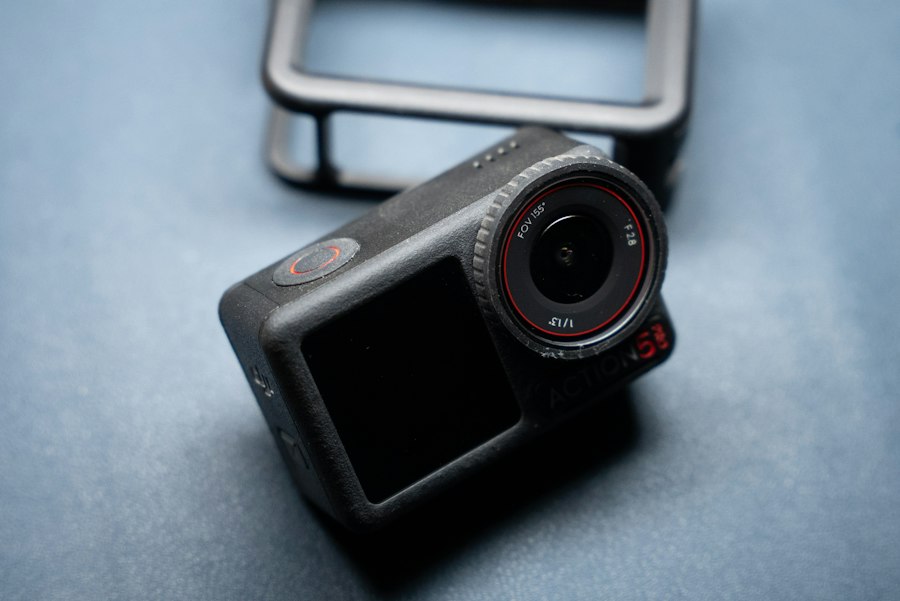
If the drone provides the overarching narrative, the action camera thrusts you directly into the heart of the experience. It’s about capturing the gritty reality of your trek, the sweat on your brow, the splash of water as you ford a stream, and the exhilaration of reaching a summit. For the solo traveler, an action camera becomes an extension of your own vision, allowing you to share not just what you saw, but how you experienced it.
The Power of First-Person Storytelling
Action cameras excel at delivering a raw, authentic perspective. Mounted on your helmet, chest, backpack strap, or even a mini-tripod, they immerse the viewer in your journey. This “POV” (point-of-view) footage is incredibly engaging, making viewers feel as if they are right there with you, experiencing the challenges and triumphs firsthand.
Imagine cycling down a winding mountain trail, the wind rushing past, the bumps and turns felt through the lens. Or paddling a kayak through rapids, the spray hitting the camera. These are moments that a drone simply cannot capture with the same intimacy. Action cameras allow you to document the details – the tricky foot placement on a rocky ascent, the effort of setting up camp, the curious wildlife you encounter up close. This kind of footage builds a stronger connection with your audience, offering a more personal and relatable story.
Furthermore, action cameras are excellent for time-lapses from a fixed position, capturing the subtle shifts of light and shadow over a landscape, or the construction of your campsite from start to finish. Their wide-angle lenses capture an expansive field of view, perfect for documenting large scenes even when you’re close to the action. Many also feature stabilization technology, making handheld or mounted footage remarkably smooth, even during vigorous activities.
Action Camera’s Robustness and Practicality for Solitude
One of the most compelling arguments for an action camera on a solo trip is its inherent ruggedness and ease of use. These devices are built to withstand the rigors of the outdoors, making them incredibly reliable companions when you’re far from civilization.
Durability is a hallmark of action cameras. They are typically waterproof (often without additional housing), shockproof, and dustproof. You can drop them, submerge them, and expose them to harsh weather without fear of immediate damage. This resilience is invaluable when you’re navigating challenging terrain or unpredictable conditions, where delicate electronics would quickly succumb. You don’t have to coddle an action camera; you can focus on your adventure.
Portability and weight are also significant advantages. Action cameras are incredibly compact and lightweight, often fitting into the palm of your hand or a small pocket. They take up minimal space in your pack, which is crucial when every ounce counts. Their mounting options are extensive and often integrated, allowing you to attach them to almost anything – your body, bike, backpack, paddle, or even a small tree branch. This versatility ensures you can capture footage from diverse angles without needing cumbersome accessories.
Battery life, while still a consideration, is generally more forgiving than with drones. A single action camera battery can often last for several hours of continuous recording, and carrying spare batteries is far less burdensome. Many models also support USB charging, meaning you can easily top them up with a small power bank while on the go. This simplicity greatly reduces the logistical overhead compared to managing multiple drone batteries and chargers.
Ease of use is another major selling point. Most action cameras are designed with intuitive interfaces and simple controls. You can often start recording with a single button press. This means you can focus on enjoying your trip rather than wrestling with complex settings or flight paths. When you’re solo, you want technology that aids your experience, not distracts from it. You can quickly pull out the camera, grab a shot, and put it away, minimizing interruptions to your flow.
Cost is generally lower for action cameras compared to drones with similar video capabilities. This makes them a more accessible entry point for adventurers who want to document their trips without a significant financial investment. While high-end models can still be pricey, there are many excellent mid-range options that deliver superb results.
However, action cameras do have limitations. Their wide-angle lens, while great for immersive shots, can sometimes distort perspectives or make distant objects appear even further away. They also lack the ability to provide truly elevated, sweeping views, confining your footage to roughly your eye level or slightly above/below. But for capturing the authentic, personal narrative of your solo outdoor trip, the action camera is an exceptionally powerful and practical tool.
The Hybrid Approach: Synergistic Storytelling
Why choose when you can have both? For the solo explorer who wants to tell the most comprehensive and compelling story possible, combining a drone and an action camera offers an unparalleled synergy. This hybrid approach allows you to seamlessly weave together grand, cinematic aerials with intimate, immersive ground-level perspectives, creating a rich tapestry of your solo adventure.
Weaving Together Perspectives for a Richer Narrative
Imagine opening your travel video with a breathtaking drone shot of the vast wilderness you’re about to explore, establishing the epic scale of your journey. Then, transition to action camera footage of you hiking through a dense forest, the leaves rustling, the sunlight dappling through the canopy – an intimate, first-person view of the challenges and beauty of the trail. Later, a drone shot might capture your camp nestled by a serene lake, followed by action camera footage of you cooking dinner over a campfire, the crackling flames illuminating your face.
This interplay between broad and personal perspectives creates a dynamic and engaging narrative. The drone provides the context, the “big picture,” while the action camera fills in the details, the emotions, and the effort. You can use the drone for establishing shots, transitions between locations, and showing the enormity of the landscape. Simultaneously, the action camera captures the core of your experience – the action, the interactions (even if just with yourself and nature), and the challenges.
This method allows you to:
- Set the Scene: Drone footage effectively introduces locations and demonstrates the vastness of the natural environment.
- Show, Don’t Just Tell: Action camera footage puts the viewer directly in your shoes, conveying the feeling of hiking, climbing, or paddling.
- Create Dynamic Transitions: Seamlessly moving from a wide aerial shot to a close-up, ground-level view adds professional polish and keeps viewers engaged.
- Highlight Key Moments: Use the action camera for moments of intense activity or personal reflection, while the drone captures the surrounding beauty.
- Overcome Individual Limitations: Where one camera falls short, the other picks up. Windy conditions preventing drone flight? Rely on your action camera. Want to show a scale impossible for handheld? Deploy the drone.
The result is a far more complete and immersive depiction of your solo journey, appealing to a wider range of viewers and providing a deeper understanding of your experience.
Managing a Dual-Camera Setup on Your Own
While the benefits of a hybrid approach are clear, you, as the solo adventurer, must acknowledge the increased logistical complexity. You’re not just carrying one camera system but two, each with its own power requirements, accessories, and operational considerations.
Increased Weight and Bulk: This is the most immediate impact. You’ll be carrying the drone kit (drone, controller, multiple batteries), plus the action camera kit (camera, spare batteries, various mounts). While individual items might be small, combined they add up. Careful packing and prioritizing essential gear become even more critical. Every item needs a designated, easily accessible spot.
Battery Management: This doubles the challenge. You’ll need to monitor and manage the battery levels for both devices. This often means carrying more portable power banks or solar chargers, further adding to your pack’s weight. Developing a charging strategy – perhaps charging drone batteries while you’re hiking during the day using a solar panel, and action camera batteries overnight – is essential.
Operational Coordination: When you’re the pilot, the subject, and the cameraman, orchestrating shots with both devices requires planning. You might need to set up the action camera on a tripod to capture yourself from a fixed perspective, then launch the drone for an overhead shot that includes you. Or, you might wear the action camera while flying the drone. This requires multitasking and a good sense of timing. Practicing these sequences before your trip can save valuable time and frustration in the field.
Filming Workflow: Your editing process will also become more complex. You’ll be dealing with footage from two different devices, potentially with different resolutions, frame rates, and color profiles. Organizing and syncing this footage in post-production will require more time and effort. However, the resulting video will be far more polished and impactful.
Risk Mitigation: With two expensive pieces of equipment, the risk of loss or damage increases. Securely storing both during transport and ensuring they are protected from elements is crucial. Consider rugged cases for both.
Despite these challenges, the ability to tell a truly comprehensive and visually stunning story often outweighs the added effort. For the dedicated solo adventurer who views documentation as an integral part of their journey, mastering a hybrid setup is a rewarding endeavor that elevates their storytelling to an entirely new level.
When planning a solo outdoor trip, choosing the right equipment for capturing your adventures is crucial, and many enthusiasts often debate between using a drone or an action camera. For those looking for a more immersive experience, an action camera might be the ideal choice, as it offers versatility and ease of use in various environments. However, if you want to capture breathtaking aerial views, a drone could elevate your photography game significantly. For more insights on selecting the best gear for your adventures, you can check out this related article on LED shoes, which discusses innovative outdoor accessories that can enhance your experience.
Budgeting and Skill Level: Aligning Gear with Ability
| Feature | Drone | Action Camera |
|---|---|---|
| Portability | Moderate (requires carrying and setup) | High (compact and lightweight) |
| Ease of Use | Requires practice and setup time | Simple, quick to operate |
| Video Quality | High resolution with aerial perspectives | High resolution, limited to ground-level shots |
| Battery Life | Typically 20-30 minutes per flight | 2-4 hours continuous recording |
| Range | Up to several kilometers (depending on model) | Limited to handheld or mounted use |
| Stability | Gimbal stabilization with GPS hover | Electronic image stabilization |
| Legal Restrictions | Subject to drone flight regulations | No special restrictions |
| Cost | Higher initial investment | Generally more affordable |
| Best Use Case | Aerial shots, wide landscapes, dynamic perspectives | Action shots, POV, close-up details |
Your choice between a drone, an action camera, or a combination of both isn’t solely about features and perspectives; it’s also deeply tied to your financial resources and your comfort level with technology. As a solo explorer, you’re the sole financier and operator, so aligning your gear with your budget and skill set is paramount to a successful and enjoyable trip.
Financial Investment and Ongoing Costs
The financial outlay for drones and action cameras can vary significantly, and it’s not just about the initial purchase price.
Drones:
- Initial Cost: Entry-level consumer drones with good cameras can range from $300 to $700. Mid-range models, which offer better camera quality, more advanced features, and greater stability, typically fall between $800 and $1,500. Professional-grade drones can easily exceed $2,000.
- Accessories: This is where hidden costs add up. You’ll almost certainly need extra batteries (each costing $50-$150), a multi-battery charging hub, a durable carrying case, spare propellers, and potentially propeller guards. Filters (ND filters for cinematic motion blur, polarizing filters) are also highly recommended for quality footage, adding another $50-$200.
- Insurance/Repair: Given the risk of crashes, consider drone insurance, which is an ongoing cost. Repairs, if not covered by warranty or insurance, can be expensive, especially for critical components like gimbals.
- Licensing/Registration: In some regions, there may be fees associated with registering your drone or obtaining a pilot license.
Action Cameras:
- Initial Cost: Basic action cameras can be found for under $100. Reputable mid-range models from brands like GoPro, DJI, or Insta360 typically cost between $200 and $400. High-end models with advanced features, better stabilization, and superior image quality can range from $400 to $550.
- Accessories: While less extensive than drones, you’ll likely want spare batteries ($20-$50 each), a variety of mounts (chest strap, helmet mount, handlebar mount, mini tripod – often sold in bundles for $30-$100), and potentially a dive housing if not waterproof out of the box. ND filters are also available but less critical than for drones.
- Storage: MicroSD cards are crucial for both devices. You’ll need high-speed, high-capacity cards, and it’s always wise to have spares. These can range from $20 to $100+ depending on capacity and speed.
Total Cost Comparison: Generally, a complete drone setup will be significantly more expensive than a comparable action camera setup. If budget is a primary constraint, an action camera offers excellent value for money and a robust feature set for solo outdoor documentation.
Your Proficiency as a Solo Cinematographer
Your personal skill set and willingness to learn are critical factors. You’re not just buying a camera; you’re becoming a solo videographer.
Drone Piloting Skills:
- Learning Curve: Operating a drone proficiently has a steeper learning curve than using an action camera. You need to master flight controls, understand GPS modes, practice cinematic camera movements, and anticipate wind effects.
- Safety and Regulations: Responsible drone operation requires knowledge of airspace regulations, no-fly zones, and safe flying practices. When solo, you’re the only one ensuring compliance and safety.
- Multitasking: Flying a drone while simultaneously composing shots and keeping an eye on your surroundings (and yourself as the subject) requires considerable mental bandwidth. If you’re a novice pilot, this can be overwhelming, especially in unfamiliar or challenging environments.
- Maintenance: Drones require more attention to maintenance, including checking propellers, calibrating sensors, and updating firmware.
Action Camera Operation:
- Ease of Use: Action cameras are designed for simplicity. Most have intuitive menus and one-button recording, allowing you to capture footage quickly and efficiently.
- Mounting Versatility: Attaching an action camera to various body parts or gear is relatively straightforward, and experimentation with angles is encouraged.
- Focus on the Experience: With an action camera, you can often “set it and forget it” for certain shots, allowing you to focus more on your adventure rather than actively piloting a device.
- Less Risk of Loss: While you can certainly lose an action camera, the consequences are generally less severe than crashing an expensive drone in a remote location.
Your Comfort Level:
- Are you comfortable dedicating time before your trip to practice drone flying? If not, your drone might end up being a very expensive paperweight that you’re too intimidated to use effectively.
- Do you enjoy the technical aspects of filming, or do you prefer a more “point-and-shoot” approach?
- How much interruption are you willing to tolerate during your solo trip for the sake of getting a specific shot? Flying a drone often requires stopping, setting up, flying, landing, and packing away, whereas an action camera can be more seamlessly integrated into your movement.
For adventurers prioritizing simplicity, durability, and a focus on the immediate experience, an action camera is often the more practical and less demanding choice. For those with a higher budget, a willingness to learn, and a desire for truly unique perspectives, a drone opens up a world of cinematic possibilities, provided they embrace the responsibility that comes with it.
When planning a solo outdoor trip, choosing the right equipment can significantly enhance your experience, and a recent article discusses the advantages of using a drone versus an action camera for capturing those unforgettable moments. For those interested in gift ideas that can elevate outdoor adventures, you might find inspiration in this related article that highlights some of the latest bestsellers perfect for outdoor enthusiasts. Whether you opt for the aerial perspective of a drone or the rugged versatility of an action camera, both options offer unique ways to document your journey.
The Verdict: Tailoring Your Tech to Your Trek
Ultimately, the choice between a drone and an action camera for your solo outdoor trip isn’t about one being inherently “better” than the other. It’s about aligning the tool with your specific trip, your personal preferences, your budget, and the story you want to tell. You’re the director of your own adventure film, and selecting the right camera is akin to choosing your primary lens.
When a Drone is Your Best Co-Pilot
You should lean towards bringing a drone if:
- You prioritize grand, cinematic vistas: Your primary goal is to capture the epic scale of landscapes, showcase the vastness of your surroundings, and offer unique aerial perspectives that elevate your footage to a professional level.
- Your journey involves expansive, open spaces: Deserts, vast mountain ranges, wide-open plains, or large bodies of water provide ideal environments for drone operations, minimizing collision risks and maximizing shot potential.
- You have prior drone piloting experience or are committed to extensive practice: The learning curve is significant, and attempting to fly a drone for the first time in a remote location is risky and often unproductive.
- Your budget allows for the initial investment and ongoing accessory costs: Drones and their necessary accessories represent a more substantial financial commitment.
- You’ve thoroughly researched and confirmed drone legality in all your planned locations: Avoiding fines, confiscation, and legal trouble is non-negotiable.
- You’re comfortable with the increased weight, battery management, and potential logistical interruptions that come with a multi-piece drone setup.
- **You want to show where you were in the grand scheme of things, emphasizing isolation and scale.**
A drone empowers you to create truly breathtaking and unique content, transforming your solo trek into an awe-inspiring documentary.
When an Action Camera is Your Ideal Companion
An action camera is likely your superior choice if:
- You value immersion, authenticity, and a first-person perspective: You want to share what it felt like to be there, the effort, the close encounters, and the raw experience of your adventure.
- Your trip involves dynamic activities and challenging environments: Hiking, climbing, kayaking, mountain biking, or navigating dense forests are perfect scenarios for a rugged, hands-free action camera.
- You prefer simplicity, durability, and ease of use: You want a camera you can largely “set and forget,” one that can withstand drops, water, and dust without constant worry.
- Your budget is a significant factor: Action cameras offer excellent performance at a more accessible price point.
- You want to minimize weight and bulk in your pack: Their compact size and lightweight design make them an easy addition to any solo explorer’s gear list.
- **You want to show what you were doing and how you were experiencing it, emphasizing personal connection.**
An action camera becomes an extension of your own eyes and emotions, allowing you to share the intimate details and exhilarating moments of your solo journey.
The Best of Both Worlds: The Solo Hybrid
If you possess a sufficient budget, the technical aptitude, and the willingness to manage the added logistics, the hybrid approach offers the ultimate storytelling potential. By combining the sweeping grandeur of drone footage with the intimate realism of an action camera, you can create a truly comprehensive and captivating narrative of your solo outdoor adventure. This approach allows you to leverage the strengths of each device, providing a multifaceted view that no single camera can achieve alone. You establish the scene with a drone, then dive into the action with an action camera, creating a dynamic flow that truly brings your solo expedition to life for your audience and for your own cherished memories.
Ultimately, your choice should reflect the essence of your solo trip. Are you aiming for an epic visual poem from the skies, a gritty, immersive diary from the ground, or a rich tapestry woven from both? Consider your comfort level, the specific demands of your adventure, and the kind of story you’re most passionate about telling. Whichever you choose, ensure your gear enhances your experience, allowing you to fully embrace the solitude and wonder of the great outdoors.